Rasgulla: The Sweet Soul of Indian Desserts
When you think of Indian sweets, one name rises above the rest: rasgulla, a soft, spongy cheese ball soaked in light sugar syrup. Also known as rasagola, it’s the kind of dessert that shows up at festivals, weddings, and Sunday afternoons—not because it’s fancy, but because it’s comforting. Made from chhena, freshly curdled milk cheese and boiled in sugar syrup, a simple mix of water and sugar often flavored with cardamom, rasgulla doesn’t need garnishes or fancy toppings. Its magic is in the texture: chewy yet melt-in-your-mouth, sweet but never cloying.
While it’s now a national favorite, rasgulla’s roots are tied to Bengal. The version you find in Kolkata is softer, whiter, and lighter than the denser, darker ones from Odisha. Both claim to be the original, and both are right—because rasgulla evolved differently in different kitchens. In West Bengal, it’s made with full-fat milk and slow-cooked until it absorbs the syrup like a sponge. In Odisha, it’s often cooked longer, giving it a firmer bite and deeper flavor. No matter where you taste it, the process is the same: milk is curdled, the cheese is drained and kneaded until smooth, shaped into balls, then gently boiled in syrup. The science is simple: heat expands the chhena, creating those signature air pockets that soak up sweetness.
What makes rasgulla stand out among Indian sweets? It’s the balance. Unlike jalebi or gulab jamun, it’s not fried or drenched in oil. It’s boiled, which makes it lighter. It’s not made with flour or semolina—it’s pure milk protein. That’s why it’s often served after heavy meals, or as a midday snack that doesn’t weigh you down. And while it’s traditionally vegetarian, it’s also naturally dairy-based, making it a go-to for those avoiding eggs or meat but still craving something rich.
There’s a reason you’ll find rasgulla in every Indian sweet shop, from street stalls in Varanasi to high-end confectioneries in Mumbai. It’s not just a dessert—it’s a tradition you can bite into. Whether you’re trying to recreate it at home, comparing regional styles, or just wondering why it’s so addictive, you’re not alone. Below, you’ll find real recipes, troubleshooting tips, and stories from kitchens across India that show how this one sweet became a symbol of home, celebration, and simple joy.
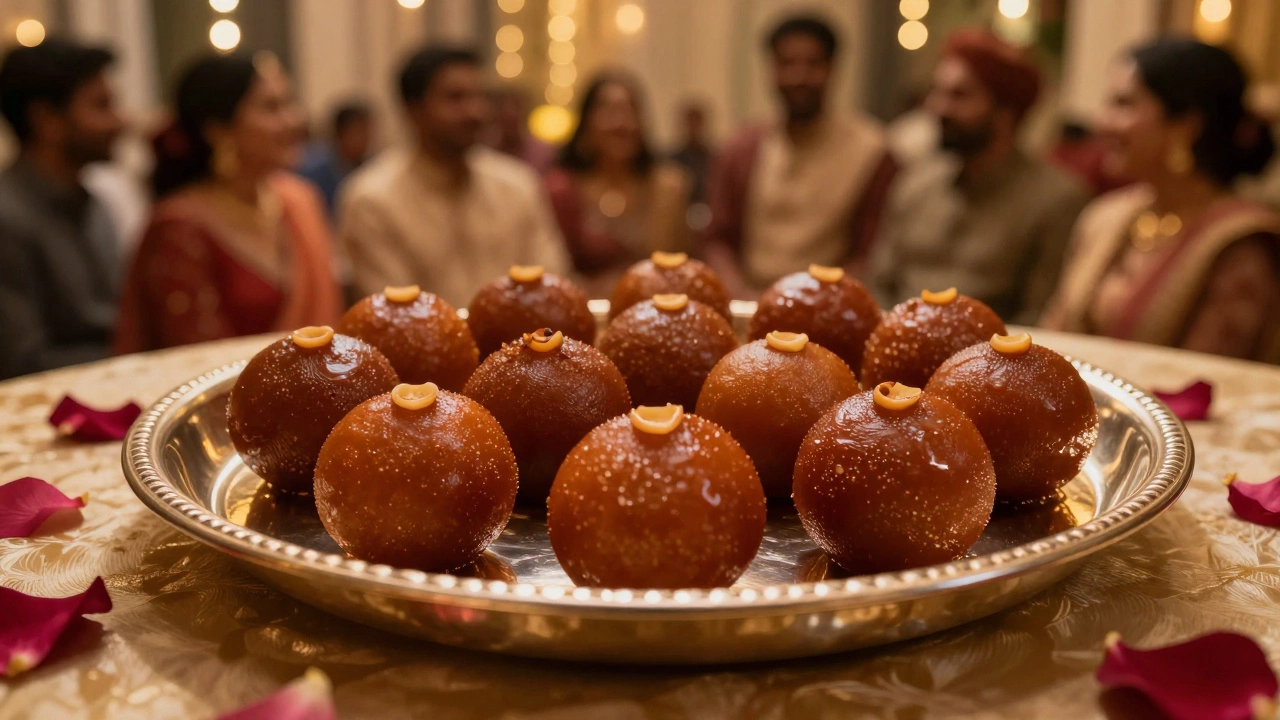
Which Is the Dessert Queen of India? The Sweet That Rules Every Celebration
Gulab jamun is India's dessert queen-soft, fragrant, and central to every celebration. Learn why this sweet beats rasgulla, jalebi, and kheer in tradition, taste, and emotional value.
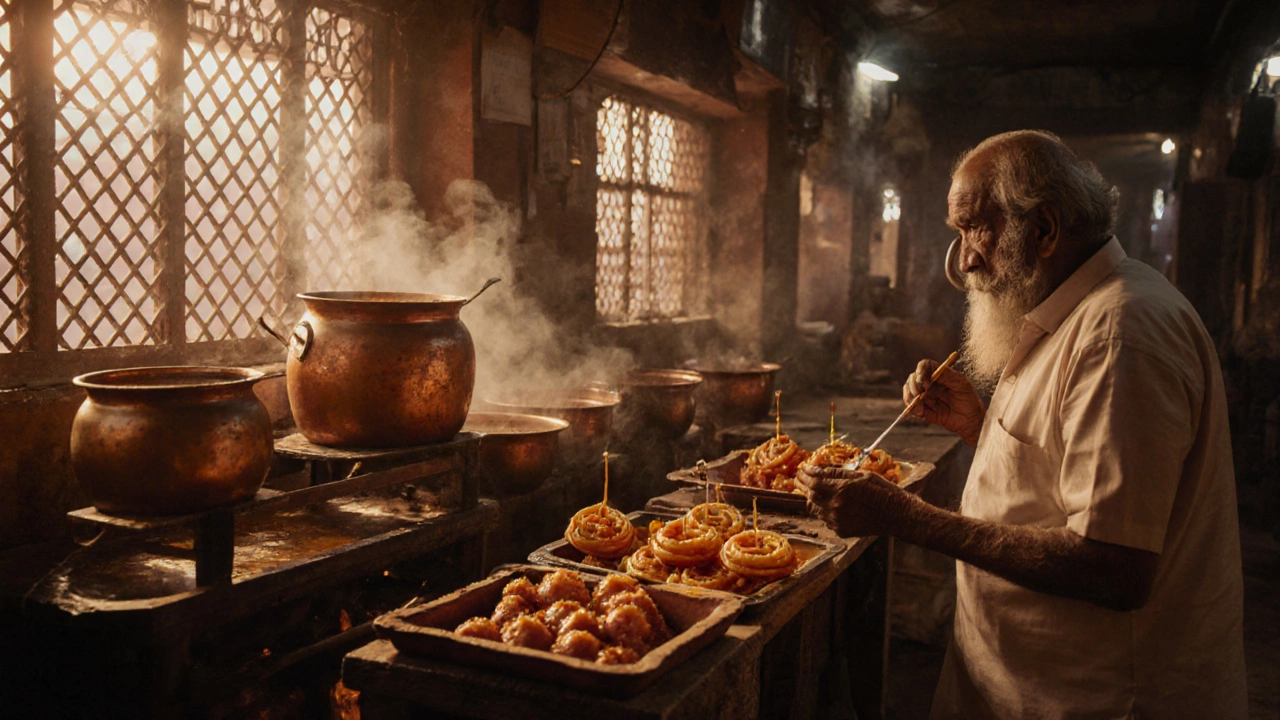
What Is India's Traditional Sweet? A Guide to the Most Beloved Indian Sweets
Discover India's most beloved traditional sweets like gulab jamun, rasgulla, and jalebi-how they're made, why they matter, and where to find the real ones.