Takeaway Indian Food: What’s Real, What’s Not, and How to Eat It Right
When you order takeaway Indian food, a popular option for quick meals, often served in boxes with rice, naan, and curries. Also known as Indian takeout, it’s the go-to for busy nights, late dinners, or when you just don’t feel like cooking. But here’s the thing—not all takeaway Indian food is created equal. Some meals are loaded with fried batter, refined flour, and sugar-heavy sauces. Others? They’re packed with lentils, vegetables, and spices that actually do your body good.
It’s not just about what’s on the menu—it’s about how it’s made. Indian takeaway menu, the selection offered by restaurants for delivery or pickup, often includes dishes like butter chicken, chicken tikka masala, and vegetable korma. Also known as Indian restaurant food, it’s designed for speed and flavor, not always nutrition. Many places use pre-made sauces with thickening agents and extra oil to make things taste richer faster. That’s why your takeaway curry might taste amazing but leave you feeling sluggish. Then there’s the naan—often baked with butter and white flour, making it high in calories and low in fiber. Compare that to a simple roti, and you’ll see why homemade beats takeaway every time.
And don’t forget the sauces. Indian takeaway sauces, the creamy, sweet, or spicy bases poured over curries, often contain hidden sugars and dairy fats. Also known as curry gravies, they’re the reason some meals feel heavy after just one bite. A spoonful of korma sauce can have more sugar than a candy bar. That’s not tradition—that’s convenience. But you don’t have to give up flavor to eat better. Ask for less oil, skip the fried apps like samosas, and choose dishes with lentils or grilled meats. Tandoori chicken? Great. Chicken tikka masala with extra cream? Not so much.
People think takeaway Indian food is always unhealthy. But that’s a myth. If you know what to look for, you can get a meal that’s high in protein, full of spices with anti-inflammatory benefits, and still satisfying. Dal makhani made with black lentils and minimal cream? Healthy. Chana masala with chickpeas and tomatoes? Even better. The problem isn’t Indian food—it’s how it’s been adapted for mass production.
Below, you’ll find real advice from people who’ve spent years cooking and testing these dishes at home. They’ll show you how to spot the good from the bad in your next takeaway order, what to ask for, and which dishes actually keep you full without the crash. No fluff. Just what works.
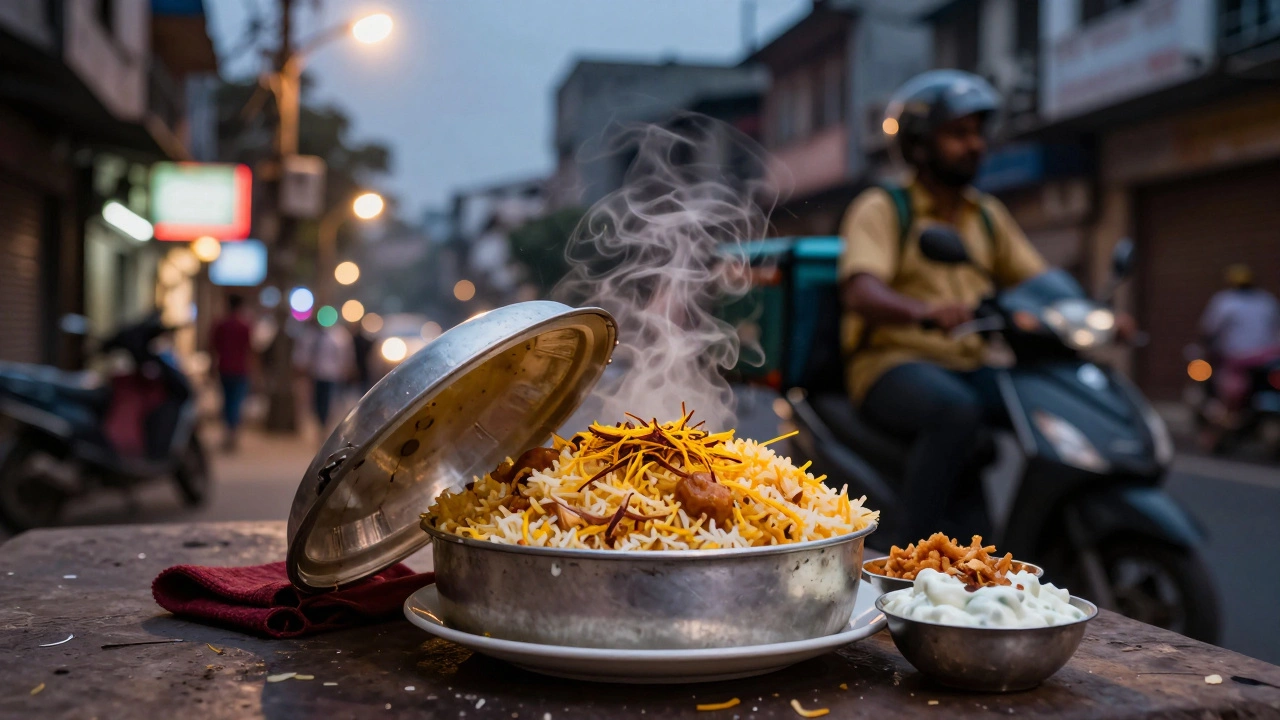
What Is India's Most Ordered Food? The Real Story Behind the Nation's Favorite Dish
Biryani is India's most ordered food, dominating food delivery apps nationwide. Discover why this flavorful rice dish beats butter chicken, dosa, and chole bhature in popularity, affordability, and cultural impact.