The World's Tastiest Curries: A Global Guide to Chicken Curry Recipes
 May, 22 2026
Find Your Perfect Curry Match
Not sure which curry to try next? Answer these questions to discover the style that matches your cravings.
Ask ten people which curry is the tastiest in the world, and you’ll likely get ten different answers. For some, it’s the fiery red heat of a Thai Green Curry. For others, it’s the slow-cooked, aromatic depth of a Kerala-style chicken curry from India. There is no single "best" curry because taste is deeply personal and cultural. However, there are undisputed champions in every region that define what makes a curry truly unforgettable.
If you are looking to expand your palate or master a new chicken curry recipe, this guide breaks down the top contenders for the title of the world’s tastiest curry. We will explore the distinct flavor profiles, key ingredients, and cooking techniques that make these dishes stand out. Whether you prefer creamy coconut bases, tangy tomato sauces, or dry spice rubs, there is a masterpiece here for you.
The Indian Contenders: Depth and Complexity
India is often credited with popularizing curry globally, but calling all Indian dishes "curry" misses the point. Each region has its own signature style. Two styles consistently rank at the top for sheer deliciousness: Butter Chicken (Murgh Makhani) and Kerala Chicken Curry.
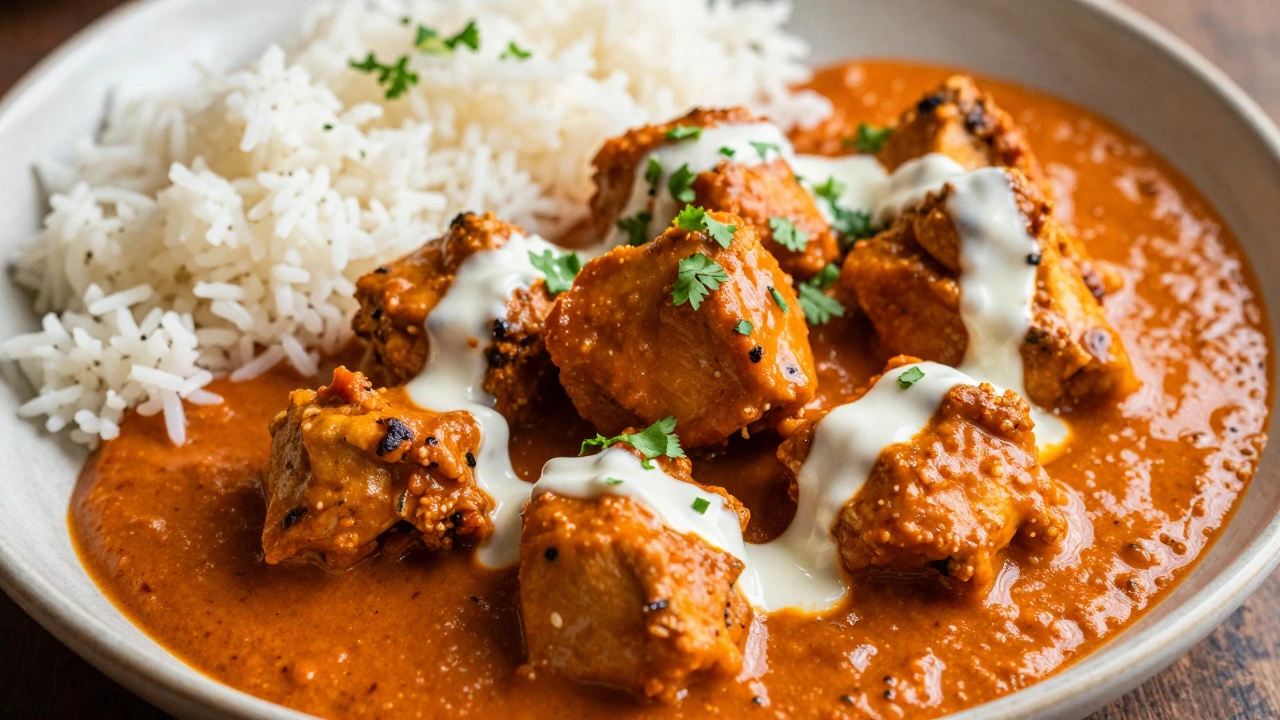
Butter Chicken is a rich, creamy North Indian dish made with tandoori-spiced chicken simmered in a tomato-butter sauce. It originated in Delhi in the 1950s as a way to use leftover tandoori chicken. The magic lies in the balance of sweetness from cream and tomatoes against the warmth of garam masala. It is approachable, comforting, and incredibly flavorful.In contrast, South Indian curries rely less on dairy and more on fresh aromatics. A traditional Kerala Chicken Curry uses freshly ground spices like black pepper, cardamom, and star anise, along with coconut milk and kokum (a souring agent). This creates a complex, layered flavor that is both spicy and sour. If you want a curry that feels earthy and robust, this is your pick.
The Southeast Asian Powerhouses: Fresh and Fiery
Moving east to Thailand and Vietnam, the definition of curry shifts dramatically. Here, curries are not just about dried powdered spices; they are about fresh pastes pounded by hand.
Thai Green Curry (Gaeng Keow Wan) is famous for its vibrant color and intense heat. Unlike Indian curries that simmer for hours, Thai curries cook quickly. The base is a paste made from fresh green chilies, lemongrass, galangal, kaffir lime leaves, and coriander root. This results in a bright, citrusy, and pungent flavor profile that hits you immediately. It is light yet powerful, often served with jasmine rice to cool the palate.
Vietnam offers a different take with Curry Gà Việt Nam. Influenced by French colonial history, this dish uses yellow curry powder, turmeric, and potatoes, but adds fish sauce and shrimp paste for umami depth. It is milder than Thai curries but has a savory richness that is hard to resist.
The Japanese Twist: Mild and Comforting
Japan adopted curry from the British during the Meiji era but transformed it into something uniquely Japanese. Japanese Kare Raisu is thick, sweet, and mild. It often includes apples or honey for sweetness and uses roux blocks for easy preparation. While it may lack the heat of other varieties, its comfort food status is unmatched. It is the ultimate crowd-pleaser for those who dislike extreme spice levels.
Comparison of Global Curry Styles
| Curry Style | Origin | Key Flavor Profile | Heat Level | Best For |
|---|---|---|---|---|
| Butter Chicken | North India | Creamy, Tomato-based, Sweet | Mild | Beginners, Families |
| Kerala Chicken Curry | South India | Earthy, Spicy, Sour (Kokum) | Medium-High | Spice Lovers |
| Thai Green Curry | Thailand | Fresh, Citrusy, Pungent | High | Adventure Seekers |
| Japanese Curry | Japan | Sweet, Thick, Mild | Very Low | Comfort Food Fans |
How to Choose Your Favorite
Deciding which curry is the "tastiest" depends on what you crave in the moment. Do you want comfort? Go for Butter Chicken or Japanese Curry. Do you want energy and brightness? Choose Thai Green Curry. Do you want deep, complex spices? Try Kerala Curry.
Here is a quick decision tree:
- Craving Creaminess? Stick to North Indian or Caribbean curries which use coconut milk or heavy cream.
- Want Freshness? Look for Southeast Asian curries that use lemongrass and lime leaves.
- Prefer Dry Rubs? Explore Middle Eastern or Persian stews like Fesenjan, which use pomegranate molasses and walnuts.
Mastering the Perfect Chicken Curry Recipe
Regardless of the style, a great chicken curry starts with quality ingredients and proper technique. Here are three universal tips to elevate any chicken curry recipe:
- Bloom Your Spices: Never add dry spices directly to liquid. Fry them in oil or ghee for 30 seconds before adding onions or tomatoes. This releases essential oils and prevents a raw, powdery taste.
- Use Fresh Aromatics: Garlic, ginger, and shallots should be fresh, not jarred. They form the foundational layer of flavor in almost all curries.
- Acidity is Key: Every good curry needs a touch of acid to cut through the fat. Use lemon juice, yogurt, tamarind, or tomatoes depending on the regional style.
Common Mistakes to Avoid
Many home cooks struggle to replicate restaurant-quality curries. The most common error is overcooking the chicken. In creamy curries like Butter Chicken, the chicken is usually poached separately or cooked gently to remain tender. In stir-fried Thai curries, the chicken is sliced thin and cooked quickly to avoid toughness.
Another mistake is ignoring the balance of salt and sugar. Curry is not just about heat; it is about harmony. If your curry tastes flat, it might need more salt. If it tastes harsh, it might need a pinch of sugar or coconut milk to round out the edges.
Conclusion: Taste is Personal
There is no objective winner for the world’s tastiest curry. The beauty of curry lies in its diversity. One day you might crave the fiery kick of a Thai dish, and the next, the soothing warmth of an Indian stew. The best approach is to experiment. Try making one new style each month. You might find that your favorite changes with the seasons, your mood, or even the company you keep.
Start with a classic chicken curry recipe from a region that intrigues you. Follow the steps, adjust the spices to your liking, and enjoy the journey of discovery. After all, the tastiest curry is the one you enjoy the most.
Which country has the best curry?
There is no single country with the "best" curry, as taste is subjective. However, India, Thailand, Japan, and the UK are widely recognized for their distinct and influential curry traditions. India offers diverse regional styles, Thailand provides fresh and spicy options, Japan offers mild comfort food, and the UK has created its own unique fusion curries like Chicken Tikka Masala.
What is the difference between Indian and Thai curry?
Indian curries typically use dry roasted spices and often include dairy like yogurt or cream. They tend to have deeper, slower-developed flavors. Thai curries use fresh herb pastes (lemongrass, galangal, chili) and coconut milk, resulting in brighter, fresher, and often spicier flavors. Thai curries also cook much faster than Indian ones.
Is Butter Chicken actually spicy?
Traditional Butter Chicken (Murgh Makhani) is generally mild. It gets its heat from Kashmiri red chili powder, which adds color and a slight warmth without intense burning. The cream and butter further reduce the perceived heat, making it suitable for most palates, including children.
How do I make my curry thicker?
You can thicken curry by simmering it uncovered to reduce the liquid, adding a slurry of cornstarch and water, incorporating pureed onions or tomatoes, or using a natural thickener like cashew paste or coconut cream. For Indian curries, frying the onion-tomato base until the oil separates is a traditional method to achieve thickness.
Can I substitute chicken in these recipes?
Yes, most curry recipes are versatile. You can substitute chicken with beef, lamb, pork, tofu, paneer, or vegetables like cauliflower and potatoes. Adjust the cooking time based on the protein; tougher meats like beef require longer simmering, while tofu and vegetables cook quickly.