What is Dal Called in English? A Complete Guide to Lentils, Types, and Simple Recipes
 Jun, 26 2026
Dal Type Explorer & Recipe Builder
Select a dal type below to explore its English name, cooking characteristics, nutritional benefits, and get a customized recipe.
FastestMasoor Dal
Red Lentils
Lens culinaris
10–15 min cook timeLightMoong Dal
Split Mung Beans
Vigna radiata
15–20 min cook timePopularToor Dal
Split Pigeon Peas
Cajanus cajan
30–40 min cook timeHeartyChana Dal
Split Chickpeas
Cicer arietinum
40–50 min cook timeProtein-RichUrad Dal
Black Gram
Vigna mungo
60+ min cook timeVersatileKabuli Chana
White Chickpeas
Cicer arietinum
90+ min (soak required)Cooking Time Comparison
Nutritional Highlights
Custom Recipe:
Shopping Guide
Common Mistakes to Avoid with This Dal:
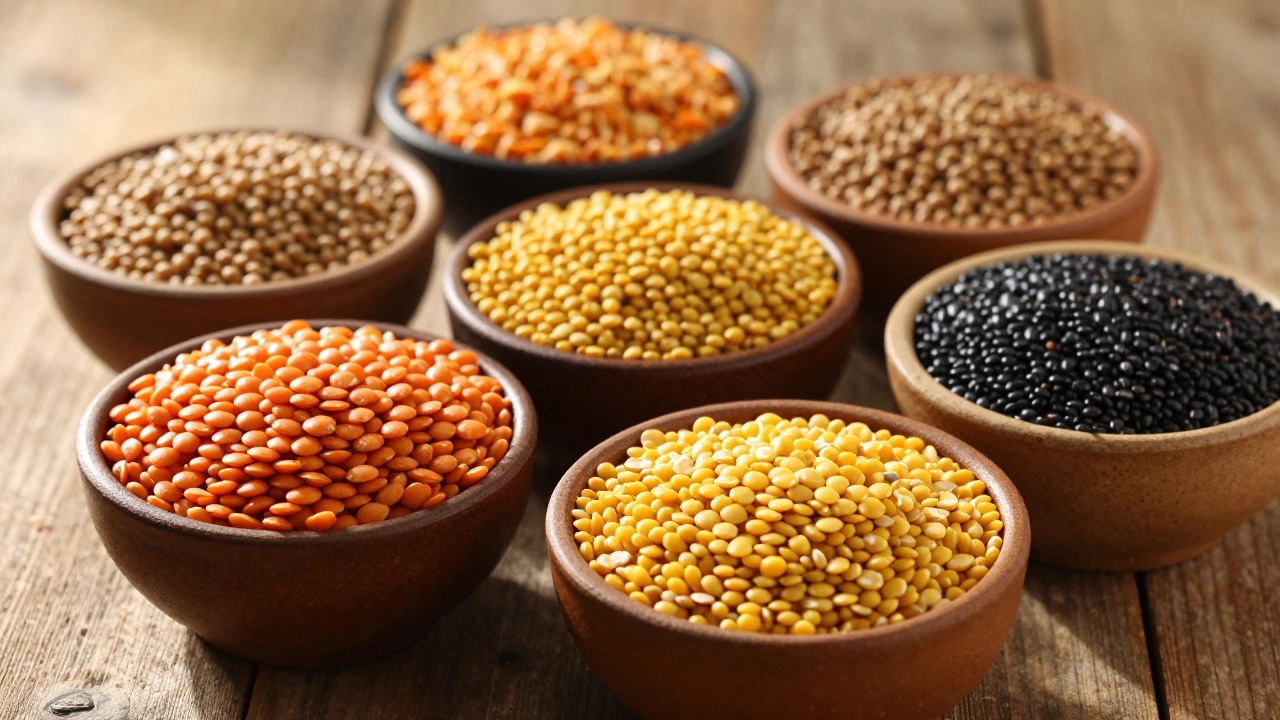
You’ve probably heard the word dal tossed around in Indian households, restaurants, and even global food trends. But if you’re standing in an international supermarket aisle staring at bags labeled “red lentils,” “masoor dal,” or “split pigeon peas,” you might be wondering: what exactly is dal called in English? The short answer? Dal simply means lentils or split pulses. It’s a broad term for dried legumes that have been split, skinned, or left whole, depending on the variety.
But here’s where it gets interesting. While “lentil” is the direct translation, not every dal fits neatly into that box. Some dals are chickpeas, others are pigeon peas, and some are black gram. So when someone asks, “What is dal called in English?” they’re often really asking, “Which specific type of lentil or pulse am I looking at?” Let’s break it down so you can shop, cook, and order with confidence.
The Core Answer: Dal = Lentils (Mostly)
In everyday English, dal is most commonly referred to as lentils. This is especially true for the small, disc-shaped varieties like masoor (red lentils) and moong (green mung beans). When you see “lentil soup” on a Western menu, it’s almost always made from one of these dals. The word “dal” itself comes from Sanskrit, meaning “to split,” which hints at how many of these pulses are processed-by removing the outer skin and splitting the seed in half.
However, calling all dals “lentils” can be misleading. For example, chana dal is made from split chickpeas, not true lentils. Similarly, toor dal comes from pigeon peas. So while “lentil” works as a general umbrella term in casual conversation, precision matters when you’re cooking or shopping. Knowing the exact English name helps you find the right ingredient and understand its texture, cooking time, and nutritional profile.
Common Dals and Their Exact English Names
To clear up the confusion, let’s map the most popular Indian dals to their precise English equivalents. This isn’t just trivia-it affects how you prepare them. Red lentils cook in minutes; whole black urad takes hours. Getting the name right saves you from kitchen disasters.
| Hindi Name | English Name | Botanical Type | Cooking Time (approx.) |
|---|---|---|---|
| Masoor Dal | Red Lentils | Lens culinaris | 10-15 minutes |
| Moong Dal | Split Mung Beans / Yellow Moong | Vigna radiata | 15-20 minutes |
| Toor Dal | Split Pigeon Peas / Arhar Dal | Cajanus cajan | 30-40 minutes |
| Chana Dal | Split Chickpeas (Bengal Gram) | Cicer arietinum | 40-50 minutes |
| Urad Dal | Black Gram / Split Black Lentils | Vigna mungo | 60+ minutes (unless pressure cooked) |
| Kabuli Chana | White Chickpeas | Cicer arietinum | 90+ minutes (soaking recommended) |
Notice how “Masoor Dal” translates directly to “Red Lentils”-the kind you’ll find in any grocery store worldwide. But “Toor Dal” becomes “Split Pigeon Peas,” which might sound unfamiliar if you’re used to Western labels. This is why knowing both names is useful. If a recipe calls for toor dal but you only see “pigeon peas” in the store, you now know they’re the same thing.
Why Does the Name Matter? Cooking and Texture Differences
It’s not just about vocabulary. The English name often signals how the dal behaves in the pan. Red lentils (masoor) disintegrate quickly, making them perfect for creamy soups and quick weeknight meals. Split chickpeas (chana dal) hold their shape better, giving you a heartier, chunkier texture ideal for curries served over rice.
Consider this scenario: You want to make a simple dal tadka for dinner. If you grab red lentils, you’ll have a smooth, melt-in-your-mouth dish in under 20 minutes. If you accidentally pick up whole black gram (urad), you’ll be waiting an hour, and the result will be dense and firm. That’s why understanding the mapping between Hindi and English names isn’t academic-it’s practical.
Also, nutritional profiles vary. Red lentils are high in folate and iron, while black gram offers more protein per serving. White chickpeas bring fiber and sustained energy. By knowing the English name, you can look up nutrition facts easily, compare brands, and choose based on your dietary goals.
How to Cook a Simple Dal Recipe (Step-by-Step)
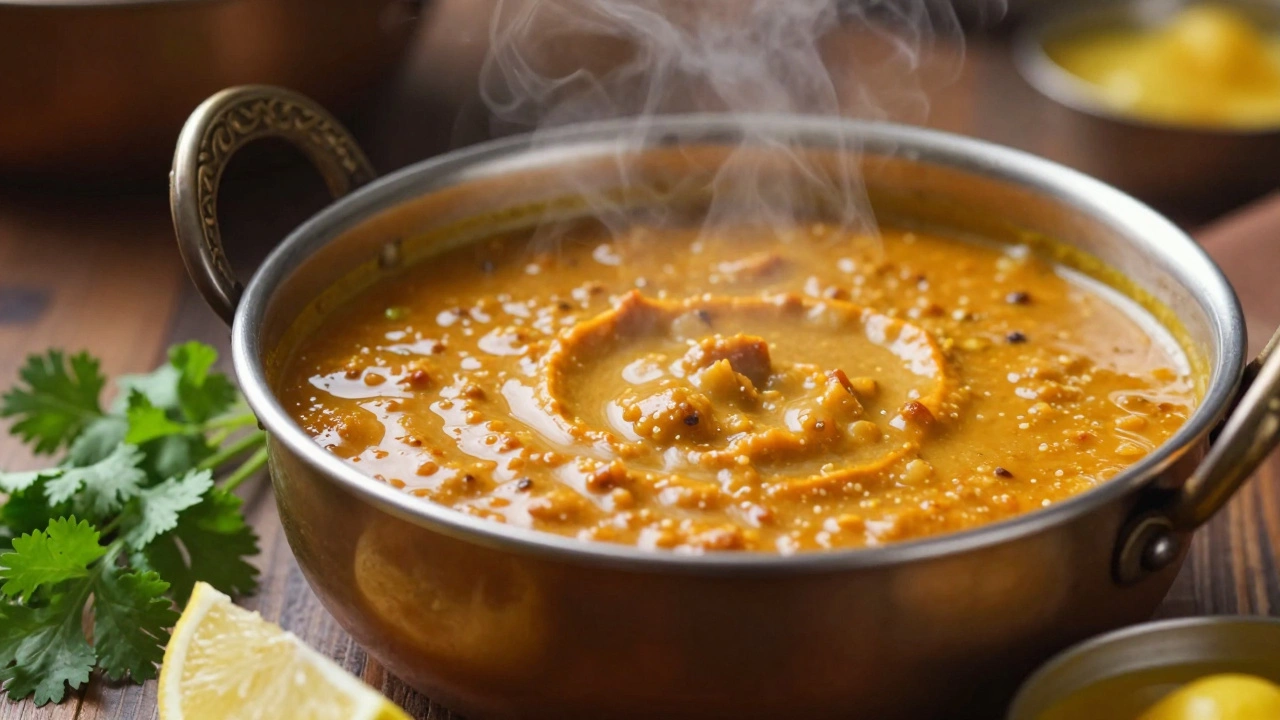
Now that you know what dal is called in English, let’s put it to use. Here’s a foolproof method for cooking a basic, comforting dal using red lentils (masoor dal)-the fastest and most beginner-friendly option.
- Rinse thoroughly: Place 1 cup of red lentils in a fine-mesh strainer. Rinse under cold water until the water runs clear. This removes dust and excess starch.
- Boil with spices: In a pot, combine the lentils with 3 cups of water, ½ teaspoon turmeric, ½ teaspoon salt, and 1 chopped tomato. Bring to a boil, then reduce heat and simmer uncovered for 10-12 minutes, stirring occasionally.
- Mash slightly: Once tender, use a spoon to lightly mash some of the lentils against the side of the pot. This creates a creamy consistency without losing all texture.
- Prepare the tempering (tadka): In a small pan, heat 1 tablespoon ghee or oil. Add 1 teaspoon cumin seeds, 4-5 dry red chilies, and 1 minced garlic clove. Sizzle for 30 seconds until fragrant.
- Combine and serve: Pour the hot tempering over the cooked dal. Stir well. Garnish with fresh cilantro and a squeeze of lemon juice. Serve hot with steamed basmati rice or roti.
This recipe highlights why red lentils are great for beginners. They don’t require soaking, they cook fast, and they absorb flavors beautifully. Plus, since you now know that “masoor dal” equals “red lentils,” you can confidently buy them anywhere in the world.
Shopping Tips: Finding Dal Outside India
If you live outside South Asia, finding authentic dal can sometimes feel like a treasure hunt. But here’s the good news: most major supermarkets carry at least one or two types. Look in the international foods aisle, near canned beans, or in the bulk bins.
- For red lentils: Search for “red lentils” or “masoor.” Brands like Bob’s Red Mill, Eden Foods, and local organic stores usually stock them.
- For toor dal: Try searching “split pigeon peas” or “arhar dal.” Asian grocery stores are your best bet if mainstream supermarkets don’t carry it.
- For chana dal: Look for “split chickpeas” or “besan” (though besan is ground, not split). Again, ethnic markets have wider selections.
Pro tip: Buy in bulk if you eat dal regularly. It’s cheaper, reduces packaging waste, and ensures you always have a staple on hand. Store them in airtight containers away from moisture to prevent spoilage.
Nutritional Benefits: Why Dal Deserves a Spot in Your Diet
Dal isn’t just tasty-it’s a nutritional powerhouse. As plant-based proteins gain popularity, dal stands out for its affordability, versatility, and health benefits. Here’s what makes it special:
- High in protein: One cup of cooked dal provides 15-18 grams of protein, making it excellent for vegetarians and vegans.
- Rich in fiber: Helps regulate digestion, stabilize blood sugar, and keep you full longer.
- Packed with micronutrients: Iron, folate, magnesium, and potassium are abundant in most dal varieties.
- Low glycemic index: Unlike refined carbs, dal releases energy slowly, preventing spikes in blood sugar.
Studies from the Indian Council of Medical Research highlight that regular consumption of pulses like dal reduces the risk of heart disease and type 2 diabetes. And because dal is naturally gluten-free, it’s also safe for those with celiac disease or gluten sensitivity.
Common Mistakes When Cooking Dal (And How to Avoid Them)
Even seasoned cooks mess up dal sometimes. Here are three frequent errors and how to fix them:
- Not rinsing enough: Dust and debris cling to dried lentils. Always rinse until the water is clear. Otherwise, your dal may taste gritty or bitter.
- Adding salt too early: Salt can toughen the skins of certain dals (like chana or urad). Add it after boiling starts, or stir in during the last few minutes of cooking.
- Skipping the tempering: Tadka isn’t optional-it’s flavor magic. Cumin, mustard seeds, asafoetida (hing), and garlic transform plain dal into something aromatic and complex. Don’t skip this step!
Another mistake? Using too little water. Dal expands significantly when cooked. A good rule of thumb is 1 part dal to 3 parts water for red lentils, and 1:4 for harder varieties like chana or urad.
Beyond the Basics: Variations and Global Inspirations
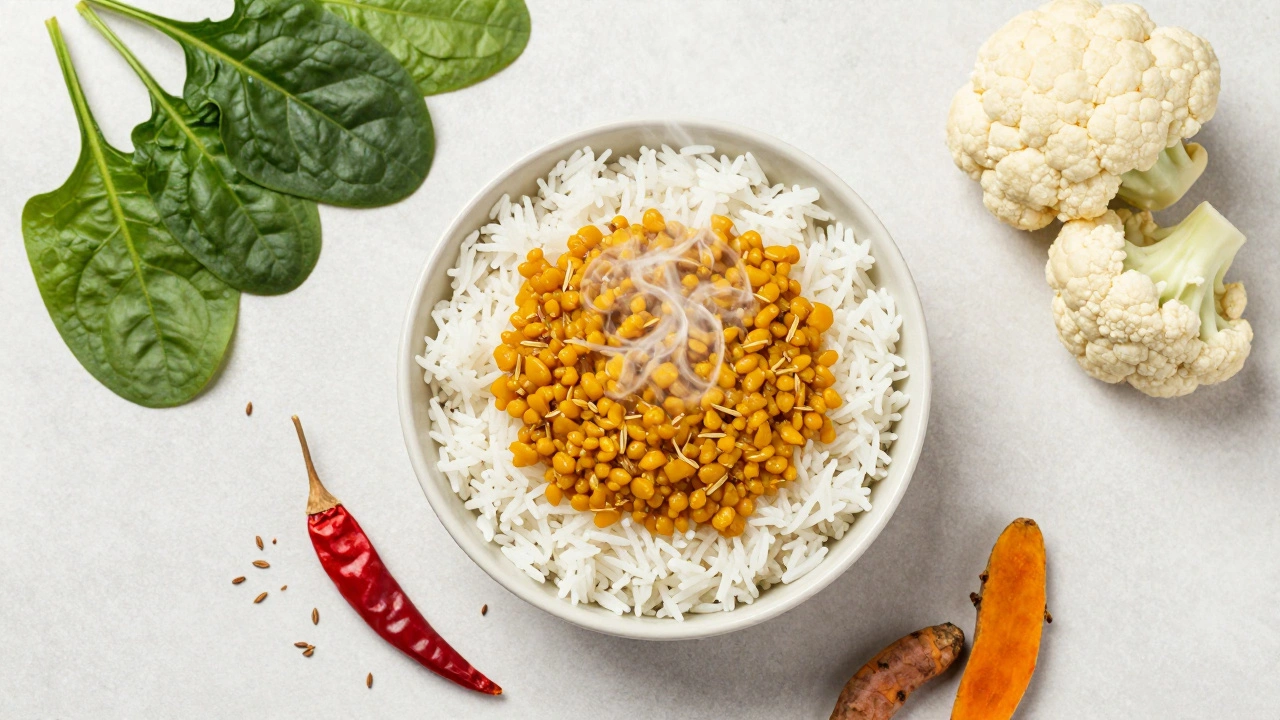
Once you master the simple dal recipe, experiment! Add spinach for extra greens, toss in roasted cauliflower for crunch, or blend in coconut milk for a rich, South Indian twist. In Nepal, dal bhat (lentil soup with rice) is the national dish. In Lebanon, mujaddara combines lentils with caramelized onions and rice. These dishes prove that dal transcends borders-it’s a global comfort food.
You can also freeze leftover dal. Cool it completely, portion it into containers, and store for up to 3 months. Reheat gently on the stove, adding a splash of water if needed. It’s meal prep gold.
Is dal the same as lentils?
Yes, mostly. Dal refers to split or skinned pulses, and many of them are true lentils (like masoor). However, some dals are chickpeas (chana dal) or pigeon peas (toor dal), which aren’t technically lentils but are grouped together under the dal category in Indian cuisine.
What is the easiest dal to cook for beginners?
Red lentils (masoor dal) are the easiest. They cook in 10-15 minutes, don’t need soaking, and turn creamy without much effort. Perfect for quick weeknight meals.
Can I substitute one dal for another in recipes?
Sometimes, but be cautious. Red lentils dissolve quickly, so they won’t work well in recipes requiring chunky texture. Chana dal holds its shape better, so it’s a safer swap for hearty curries. Adjust cooking times accordingly.
Where can I buy dal outside India?
Look in the international foods aisle of large supermarkets, check Asian or Middle Eastern grocery stores, or search online retailers. Labels may say “red lentils,” “split chickpeas,” or “pigeon peas” instead of “dal.”
How long does cooked dal last in the fridge?
Cooked dal stays fresh in the refrigerator for 3-4 days if stored in an airtight container. For longer storage, freeze it in portions for up to 3 months. Reheat gently on the stovetop, adding water if needed.