Indian Traditional Sweet: Classic Desserts, Ingredients, and Regional Varieties
When you think of Indian traditional sweet, a category of handmade, spice-infused desserts deeply tied to festivals, family gatherings, and daily rituals across India. Also known as mithai, it’s not just sugar and flour—it’s history, celebration, and love shaped into bite-sized treats. Every state has its own version, from the syrup-drenched jalebi, a deep-fried, orange swirl soaked in sugar syrup, popular from Punjab to Tamil Nadu, to the soft, milk-based rasgulla, originating in Bengal, made from chhena curdled milk balls boiled in light syrup. These aren’t just snacks—they’re cultural markers, served at weddings, Diwali, and even as offerings in temples.
What makes these sweets different from Western desserts? It’s the spice. Cardamom, saffron, rose water, and fennel aren’t just flavorings—they’re essential. The texture matters too: some are chewy, others melt like butter, and a few are crisp on the outside and gooey inside. You won’t find artificial flavors here. Traditional recipes use full-fat milk, khoya (reduced milk solids), semolina, and jaggery instead of white sugar. Even the cooking method is ritualistic—slow simmering, hand-rolling, frying in ghee, or steaming in cloth. These aren’t shortcuts; they’re passed-down techniques that take time, patience, and care.
Regional differences are sharp. In the north, you’ll find gulab jamun, deep-fried milk dumplings soaked in fragrant syrup, often served warm. In the east, sandesh comes in soft, crumbly forms, sometimes flavored with pistachio or coconut. The south has payasam—rice or vermicelli pudding cooked in milk and jaggery, often finished with cardamom and fried nuts. And in the west, shrikhand, a thick yogurt-based sweet, is spiced with saffron and served chilled. Each one tells a story about local ingredients, climate, and tradition.
If you’ve ever wondered why Indian sweets feel different—richer, more complex, more alive—it’s because they’re made with intention. They’re not dessert after a meal. They’re part of the meal. They’re shared. They’re given as gifts. They’re how families say I love you without speaking. Below, you’ll find real recipes, troubleshooting tips for sticky dough or soggy jalebi, and stories behind the most beloved sweets. Whether you’re trying to make rasgulla that doesn’t fall apart or want to know why jaggery beats sugar in some recipes, the posts here give you the exact details you need—no fluff, no guesswork, just clear, tested advice from home cooks who’ve been doing this for generations.
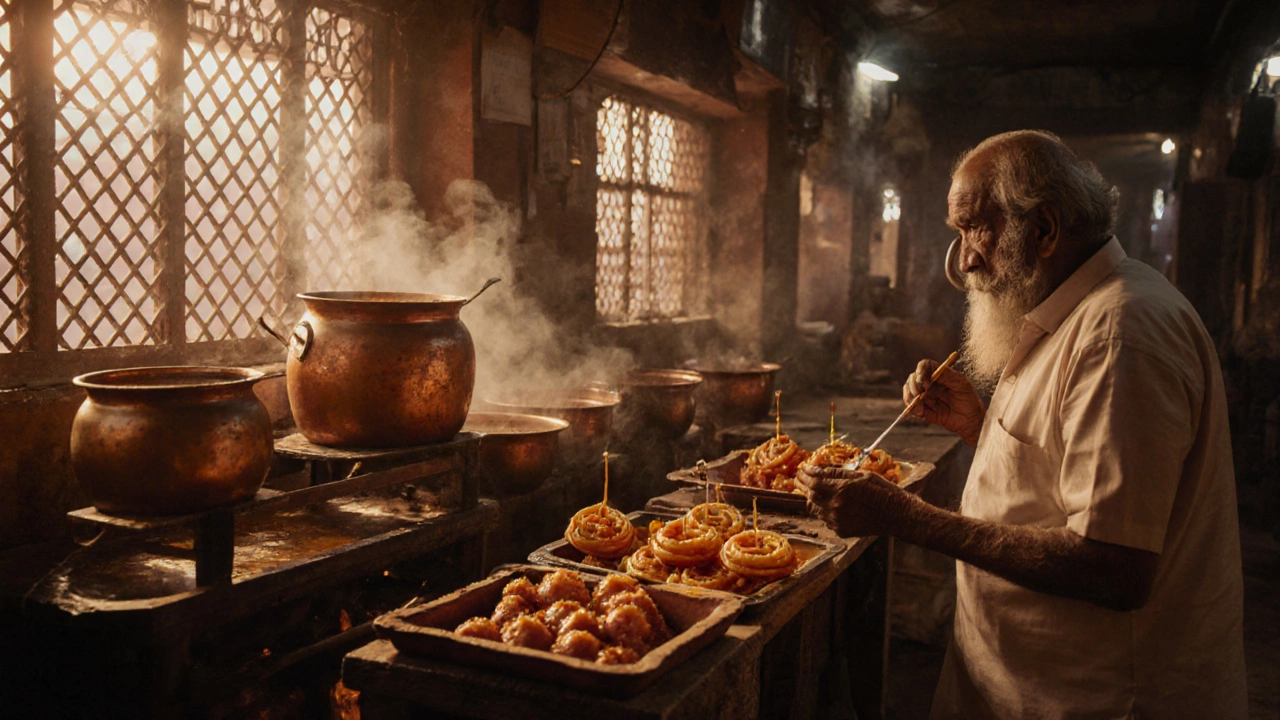
What Is India's Traditional Sweet? A Guide to the Most Beloved Indian Sweets
Discover India's most beloved traditional sweets like gulab jamun, rasgulla, and jalebi-how they're made, why they matter, and where to find the real ones.