Meat Not Eaten in India: What Shapes the Practice?
When talking about Meat not eaten in India, the avoidance of specific animal flesh due to cultural, religious, and regional customs. Also known as dietary meat restrictions, it influences everything from daily meals to festive feasts across the subcontinent.
One major related concept is vegetarianism in India, a widespread eating habit rooted in religious teachings and ethical beliefs. This practice isn’t just a personal choice; it’s woven into the fabric of society, shaping market demand and kitchen routines. Because a large share of the population follows vegetarian principles, recipes often highlight lentils, beans, and dairy as primary protein sources.
Another key entity is religious dietary practices, the food rules prescribed by Hinduism, Jainism, Sikhism, and Islam. Hindu and Jain communities typically reject beef and pork, while some Muslim groups avoid pork but accept lamb and chicken. These rules create a clear semantic triple: Meat not eaten in India reflects religious dietary practices. Understanding this link helps explain why certain menus are meat‑free even in hotel kitchens.
Culture also adds a layer of nuance. regional food customs, the local traditions that dictate which meats are permissible or taboo in different Indian states, vary dramatically. In Gujarat, vegetarianism dominates; in Kerala, fish and pork are common; in the Northeast, beef appears in many dishes. This regional diversity forms another triple: Regional food customs influence meat avoidance patterns. Detecting these patterns helps cooks adapt recipes to local tastes.
Why Certain Meats Are Avoided
The avoidance of beef stems largely from the sacred status of cows in Hinduism. Cows are seen as symbols of motherhood and fertility, so harming them clashes with core beliefs. Jainism takes a broader stance, rejecting all forms of animal slaughter out of respect for life, which means even poultry and fish are off‑limits for many followers. These ethical foundations generate a third triple: Ethical principles drive vegetarianism in India. The result is a culinary landscape where plant‑based dishes shine and meat substitutes become everyday staples.
From a practical perspective, the meat‑free tradition has spurred innovation. Dishes like paneer tikka, dal makhani, and aloo gobi showcase how legumes, dairy, and vegetables can deliver protein, texture, and flavor. Chefs often use yogurt, mustard oil, and hemp seeds to mimic richness typically associated with meat. This creates a fourth triple: Innovative cooking techniques enhance Indian vegetarian cuisine. When you explore the recipe collection below, you’ll see these tricks in action across breakfast, lunch, and dinner ideas.
Health and nutrition also play a part. Plant‑based diets in India tend to be high in fiber, antioxidants, and essential micronutrients, while low in saturated fat. However, some vegetarian meals can be calorie‑dense due to ghee and deep‑fried items. Balancing the diet involves choosing lentils, chickpeas, and low‑fat dairy alongside whole grains. This forms the final semantic triple: Balanced nutrition supports vegetarian lifestyles. Readers looking to maintain energy levels while respecting dietary rules will find actionable tips throughout the posts.
All these elements—religion, regional customs, ethical choices, culinary creativity, and health considerations—intertwine to define what meat is not eaten in India. Below you’ll discover a curated set of articles that break down these topics, offer recipe tweaks, and answer common questions about Indian food culture. Dive in to see how each piece fits into the larger picture of Indian dietary practices.
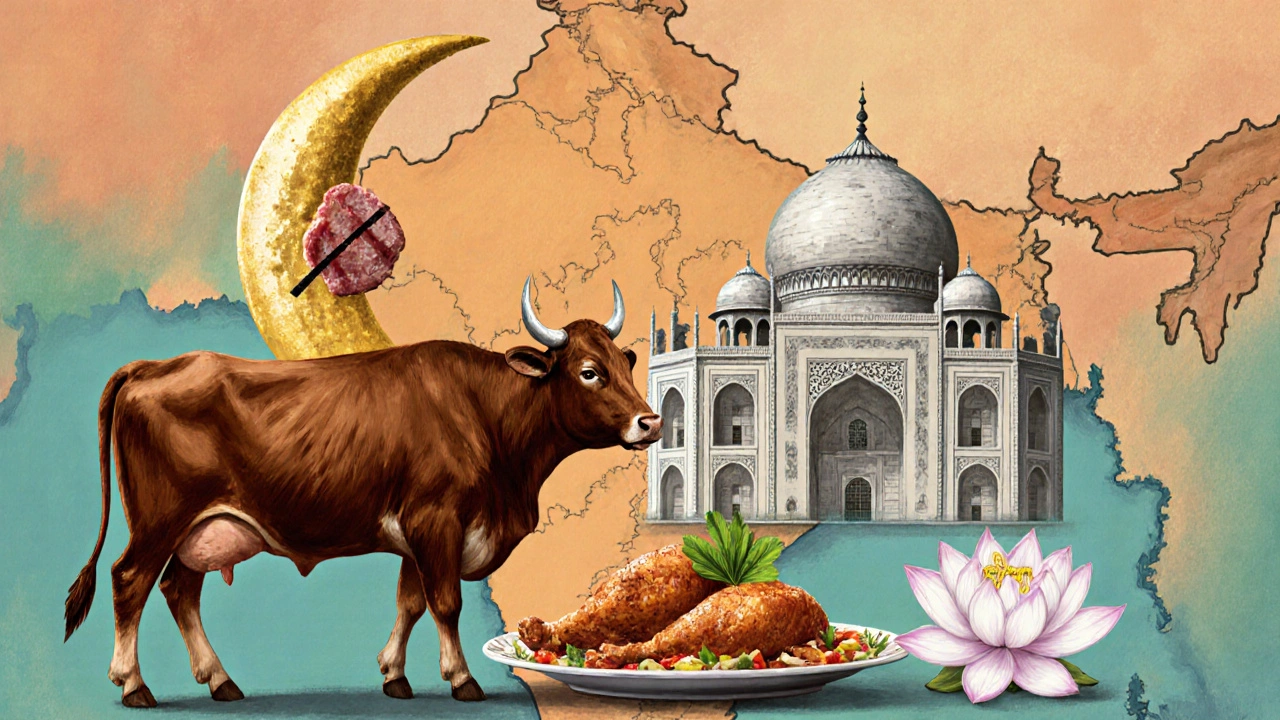
Which Meats Are Not Eaten in India? A Cultural and Legal Guide
Explore which meats are avoided in India, why beef, pork and other proteins are restricted, and how religion, law, and region shape Indian food choices.