Nutrition in Indian Food: What Really Keeps You Healthy
When people talk about nutrition in Indian food, the balanced, spice-driven eating patterns rooted in centuries of regional practice. Also known as traditional Indian diet, it’s not just about curry and rice—it’s a system built on lentils, whole grains, fermented foods, and plant-based proteins that naturally support energy, digestion, and long-term health. This isn’t some trendy diet. It’s what millions eat every day, and science is catching up. Indian meals aren’t just flavorful—they’re designed to keep you full, stabilize blood sugar, and feed your gut bacteria.
Take Indian vegetarian diet, a way of eating that relies on legumes, dairy, vegetables, and grains instead of meat. Also known as South Asian plant-based eating, it’s one of the most protein-rich vegetarian diets in the world. Dal, paneer, moong sprouts, and chana aren’t side dishes—they’re your main source of protein. A single bowl of yellow moong dal gives you nearly 12 grams of protein without a single animal product. And unlike tofu, paneer is made from full-fat milk, giving you more satiating fat and calcium. You don’t need supplements if you’re eating real Indian food right.
Then there’s gut health Indian cuisine, how traditional fermentation and fresh herbs support digestion and microbiome balance. Also known as probiotic Indian foods, it’s not magic—it’s science. Homemade chutneys made with mint, cilantro, and tamarind, left to sit for a day or two, become natural probiotic boosters. Store-bought versions? They’re just sweet paste. Fermented dosa batter? That’s live cultures working in your favor. And let’s not forget the role of fiber—roasted chana, sprouted moong, and whole wheat roti aren’t just snacks, they’re prebiotics that feed the good bacteria in your gut. That’s why so many Indians don’t need probiotic pills.
And when you look at healthy Indian snacks, the low-sugar, high-protein options that replace chips and cookies in daily life. Also known as nutrient-dense Indian munchies, they’re not just alternatives—they’re superior choices. Makhana, roasted chana, and boiled peas aren’t ‘diet food.’ They’re what people actually eat between meals. They’re portable, satisfying, and packed with fiber and protein. No one in India eats a granola bar for a snack. They eat something that grew in the ground or came from a lentil.
There’s no single ‘Indian diet.’ It varies from the coconut-heavy meals of Kerala to the millet-heavy plates of Rajasthan. But what ties them all together is this: real nutrition comes from whole, unprocessed ingredients, layered with spices that aren’t just for taste—they’re for healing. Turmeric reduces inflammation. Cumin aids digestion. Coriander cools the body. These aren’t flavor tricks. They’re functional ingredients.
What you won’t find in traditional Indian meals? Refined sugar in every meal. Processed oils. Fake ‘health’ bars. Instead, you get meals that balance protein, fiber, and healthy fats naturally—like the 30/30/30 rule, but without needing to count grams. Your roti has fiber. Your dal has protein. Your chutney has probiotics. Your snack has crunch and satiety. That’s the system.
Below, you’ll find real, tested advice on how to get the most nutrition from every bite—whether you’re making paneer, choosing the right dal, or turning your chutney into a gut health powerhouse. No fluff. Just what works.
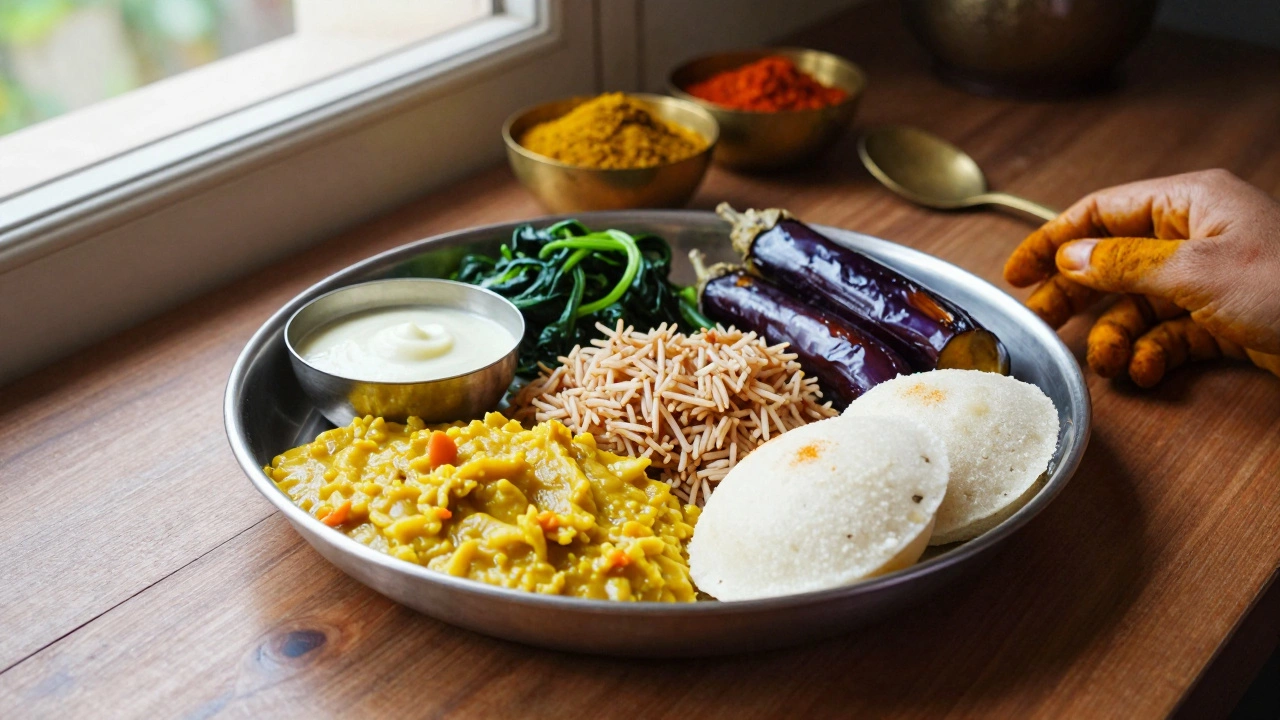
How Healthy Is Indian Vegetarian Food? The Real Facts Behind the Myths
Indian vegetarian food can be incredibly healthy-but only if you avoid fried snacks, refined flour, and added sugar. Learn what makes traditional meals nutritious and how to fix the common pitfalls.