Old Paneer Safety: Tips to Keep Your Cheese Fresh and Healthy
When dealing with old paneer safety, the practice of checking, storing, and handling paneer that has been kept for several days. Also known as paneer freshness, it directly impacts food safety, preventing bacterial growth and foodborne illness and relies on proper refrigeration, keeping temperatures below 4 °C. Understanding these basics helps home cooks avoid spoilage, preserve texture, and enjoy paneer without health worries.
Old paneer safety requires three things: a cool storage environment, a clear sense of when the cheese has gone bad, and a habit of following food safety guidelines. First, store paneer in an airtight container and place it in the fridge’s main compartment, not the door, to keep the temperature stable. Second, watch for signs like sour smell, slimy surface, or a change from white‑creamy to yellowish. Third, always use a clean spoon when serving to prevent cross‑contamination. These steps form a simple loop: proper refrigeration reduces bacterial contamination, which in turn protects food safety, and keeping an eye on spoilage signs tells you when to discard old paneer.
What You'll Find Below
The articles below unpack each part of old paneer safety. You'll read how long paneer lasts in different storage methods, learn quick tests to spot spoilage, discover how to extend freshness with brine or milk, and get advice on handling paneer in recipes without risking health. Armed with this knowledge, you can keep your paneer tasty and safe, whether you're making a fresh salad, a creamy curry, or a quick snack.
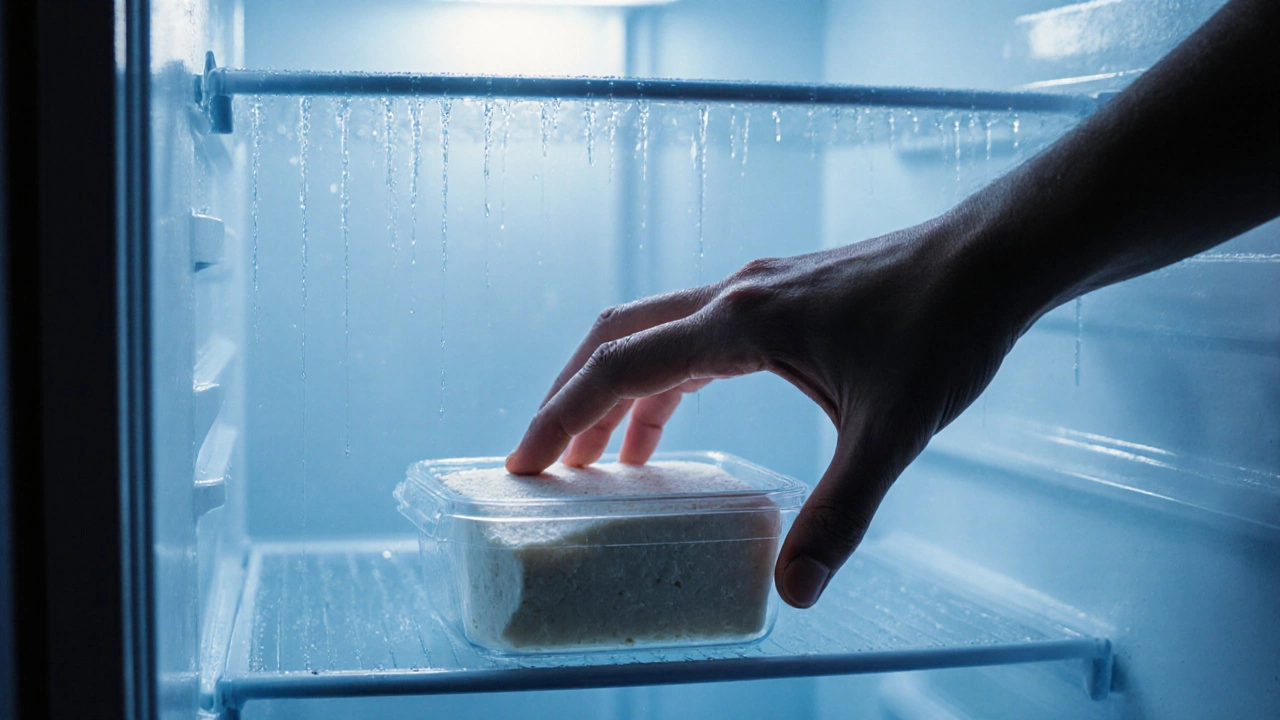
Can I Eat 7‑Day‑Old Paneer? Safety, Signs, and Tips
Learn if 7‑day‑old homemade paneer is safe to eat, how to spot spoilage, storage tips, and quick FAQs for confident cooking.