Paneer Shelf Life: Tips for Keeping Indian Cottage Cheese Fresh
When dealing with Paneer, a soft, non‑aged cheese made from curdled milk, popular across Indian homes. Also known as Indian cottage cheese, it provides a mild flavor and high protein that fits many dishes. Understanding its paneer shelf life helps you avoid waste and keep meals safe.
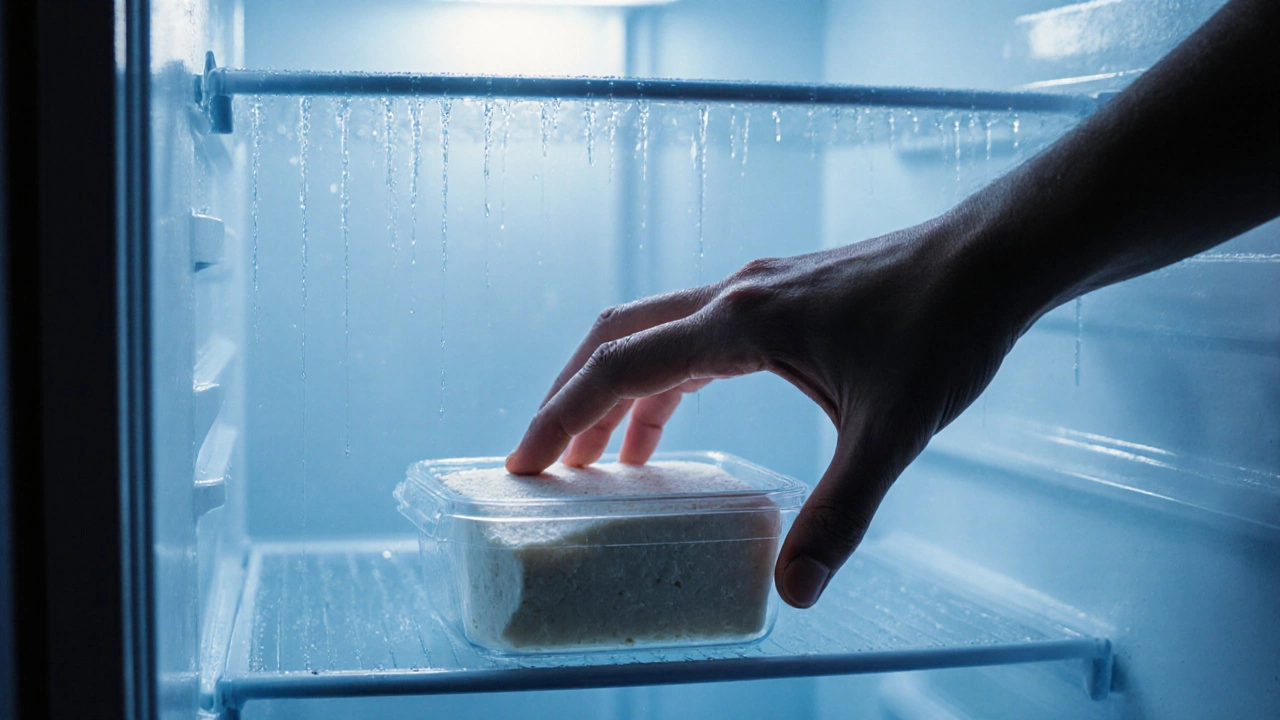
Refrigeration, the practice of keeping food at 1‑4 °C to slow microbial growth is the first line of defense. Store paneer in an airtight container or wrap it tightly in cheesecloth, then place it on the middle shelf where temperature stays stable. In a typical fridge, fresh paneer lasts 3‑5 days; the exact time depends on moisture content and how clean the storage vessel is. If you notice a sour odor or a slimy coating, those are clear spoilage signals.
Freezing, a method that drops food temperature to –18 °C or lower, halting bacterial activity can extend shelf life dramatically. Cut paneer into cubes, lay them on a tray, and freeze for 2‑3 hours before transferring to a zip‑lock bag. Properly frozen paneer keeps for up to two months and retains most of its texture for cooked dishes like paneer tikka or curries. Thaw it slowly in the fridge rather than at room temperature to keep the texture from turning grainy.
Spoilage signs, visible and olfactory cues that indicate food is no longer safe to eat are easy to spot. Look for discoloration (yellow or gray patches), an off‑putting sour smell, or a sticky feel. Even if the paneer looks fine, a sudden change in pH can make it unsafe, especially when stored beyond recommended limits. Trust your senses; when in doubt, toss it.
Practical Storage Tips You Can Use Today
Beyond refrigeration and freezing, a few simple habits boost paneer longevity. First, always use clean utensils when handling the cheese; cross‑contamination speeds up spoilage. Second, keep the moisture level low: excess whey invites microbes, so draining the cheese before storage helps. Third, consider adding a pinch of salt to the container; salt acts as a natural preservative and adds a subtle flavor boost.
When you plan to serve paneer within a day, keep it in its original brine (if it came in one) and store the brine in the fridge. The saline environment mimics homemade preservation methods used in rural kitchens for decades. If you’re preparing paneer for a party, make the cubes a day ahead, freeze them, and then defrost right before cooking. This approach ensures you have firm, non‑watery pieces ready for grilling or sautéing.
Understanding how refrigeration, freezing, and spoilage cues interact gives you control over paneer’s freshness. Below you’ll find a curated set of articles that dive deeper into each aspect—whether you need exact timing, safety checks, or creative storage hacks. Grab the insight you need, then apply it to keep your paneer delicious and waste‑free.
Can I Eat 7‑Day‑Old Paneer? Safety, Signs, and Tips
Learn if 7‑day‑old homemade paneer is safe to eat, how to spot spoilage, storage tips, and quick FAQs for confident cooking.