Pork Avoidance in India
When talking about pork avoidance India, the practice of not eating pork across the subcontinent. Also known as no‑pork diet, it reflects deep‑rooted religious, cultural, and health beliefs. This tradition is a cornerstone of the Indian vegetarian diet, a plant‑focused way of eating that excludes meat, eggs and often pork. The diet relies heavily on legumes, grains, and a vibrant mix of spices, creating meals that are both filling and flavorful. Understanding pork avoidance helps you see why many Indian households reach for paneer, tofu, or jackfruit instead of pork, and how these choices keep meals balanced and culturally authentic.
Religious Rules and Everyday Cooking
India’s major faiths—Hinduism, Islam, Sikhism, and Jainism—each set guidelines that shape food habits. Religious dietary restrictions, rules like halal, kosher, or vegetarian principles dictated by scripture, play a huge role in keeping pork off menus. For Hindus, cows are sacred, and many also view pork as impure; Muslims follow halal rules that specifically prohibit pork; Jains avoid all root vegetables and meat, reinforcing a pork‑free lifestyle. These beliefs influence everything from street‑food stalls to five‑star restaurants, prompting chefs to design dishes that respect these limits while still delivering bold taste.
Because pork is off‑limits, Indian cooks have become masters at using meat substitutes, ingredients like soy, beans, mushrooms, and plant‑based proteins that mimic texture and flavor. Jackfruit, for example, shreds like pulled pork and soaks up spices beautifully, while paneer offers a milky, firm bite perfect for curries. These alternatives not only honor cultural norms but also provide nutrition‑dense options low in saturated fat. The creativity extends to cultural cuisine, regional Indian dishes that showcase local ingredients and cooking techniques, where you’ll find regional specialties that never mention pork yet deliver deep, satisfying flavors. From the fiery vindaloos of Goa to the sweet‑savory chaats of Delhi, the absence of pork drives innovation, ensuring Indian food remains diverse and delicious.
Below you’ll discover articles that dig into the science behind vegetarian nutrition, the best superfoods for Indian snacks, secrets for perfect dosa batter, and how to master spice blends. Whether you’re curious about why pork is avoided, looking for tasty meat‑free recipes, or wanting to understand the cultural backdrop, the collection ahead offers practical tips and tasty ideas that fit the pork‑avoidance lifestyle.
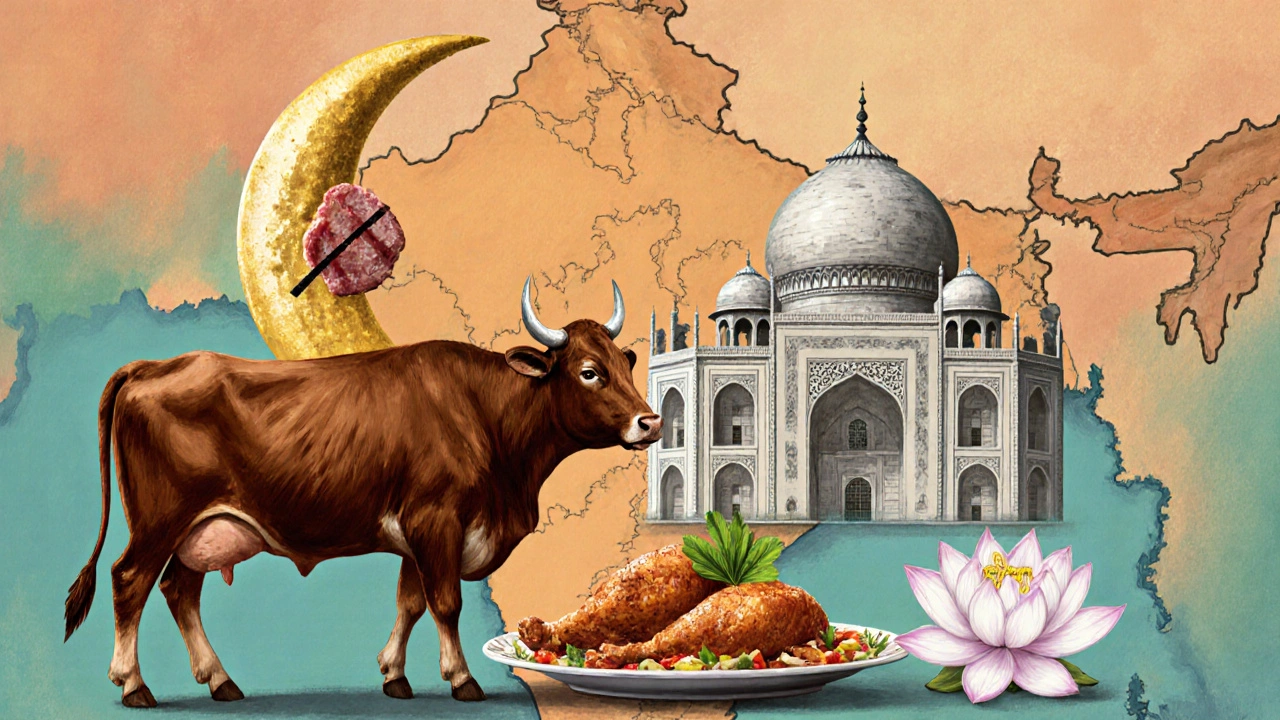
Which Meats Are Not Eaten in India? A Cultural and Legal Guide
Explore which meats are avoided in India, why beef, pork and other proteins are restricted, and how religion, law, and region shape Indian food choices.