What is the King of All Curries? The Truth Behind Butter Chicken
 Sep, 1 2026
Butter Chicken vs. Tikka Masala: The Curry Crown Challenge
Think you know your curries? Take this quick quiz to test your knowledge on the subtle (and not so subtle) differences between Delhi's original Murgh Makhani and its British-born cousin, Chicken Tikka Masala.
Quiz Complete!
Your Score: 0/5
Quick Comparison Guide
| Feature | Butter Chicken | Tikka Masala |
|---|---|---|
| Origin | Delhi, India | UK |
| Base | Cream & Butter | Yogurt & Oil |
| Texture | Velvety Smooth | Chunkier |
| Flavor | Mild & Sweet | Tangy & Spicy |
The Verdict?
While both are delicious, only one has a clear birth certificate in Delhi. Which one wears the crown?
You walk into a restaurant in London, New York, or even here in Bangalore. You scan the menu. There are dozens of options: Rogan Josh, Korma, Vindaloo, Saag. But if you ask ten people which dish defines Indian curry globally, seven will point to one specific plate. It’s not the spicy Vindaloo from Goa. It’s not the dry Chettinad from Tamil Nadu. It’s the rich, orange-hued, creamy tomato-based gravy that coats tender pieces of tandoori chicken.
We call it Butter Chicken. Or Murgh Makhani. But is it truly the "King" of all curries? That title is hotly debated among chefs, food historians, and home cooks alike. Some argue for the royal richness of Hyderabadi Haleem. Others swear by the complex spice layers of Kerala’s Fish Curry. So, what makes this particular dish stand out as the monarch of the curry world? Is it the history? The technique? Or simply the fact that it bridges the gap between hardcore spice lovers and those who prefer mild, comforting flavors?
The Historical Crown: How Murgh Makhani Took Over
To understand why this dish holds such high status, you have to look at its origins. Most traditional Indian curries evolved over centuries within regional households. Butter Chicken, however, has a clear birth certificate. It was invented in the late 1940s at Moti Mahal Delux in Delhi. The story goes that Kundan Lal Gujral, a chef from Peshawar (now in Pakistan), moved to Delhi after Partition. He had leftover tandoori chicken but no way to serve it cold without losing appeal. So, he simmered it in a gravy made of tomatoes, butter, and cream.
This wasn’t just cooking; it was innovation. By combining the smoky char of the tandoor with the velvety texture of dairy, Gujral created something entirely new. Unlike ancient recipes passed down orally, this was a deliberate creation designed to please a wide audience. And it worked. It became so popular that it traveled across borders before many other regional dishes did. In the UK, it’s often the first introduction to Indian food for millions. This historical dominance gives it a claim to the throne that older, more obscure curries lack.
Anatomy of the King: What Makes the Gravy Special?
If you think Butter Chicken is just "chicken in red sauce," you’re missing the point. The magic lies in the balance of fat, acid, and sweetness. A proper Murgh Makhani is a North Indian curry featuring tandoori-cooked chicken in a spiced tomato and cream gravy relies on specific techniques that separate amateur attempts from authentic masterpieces.
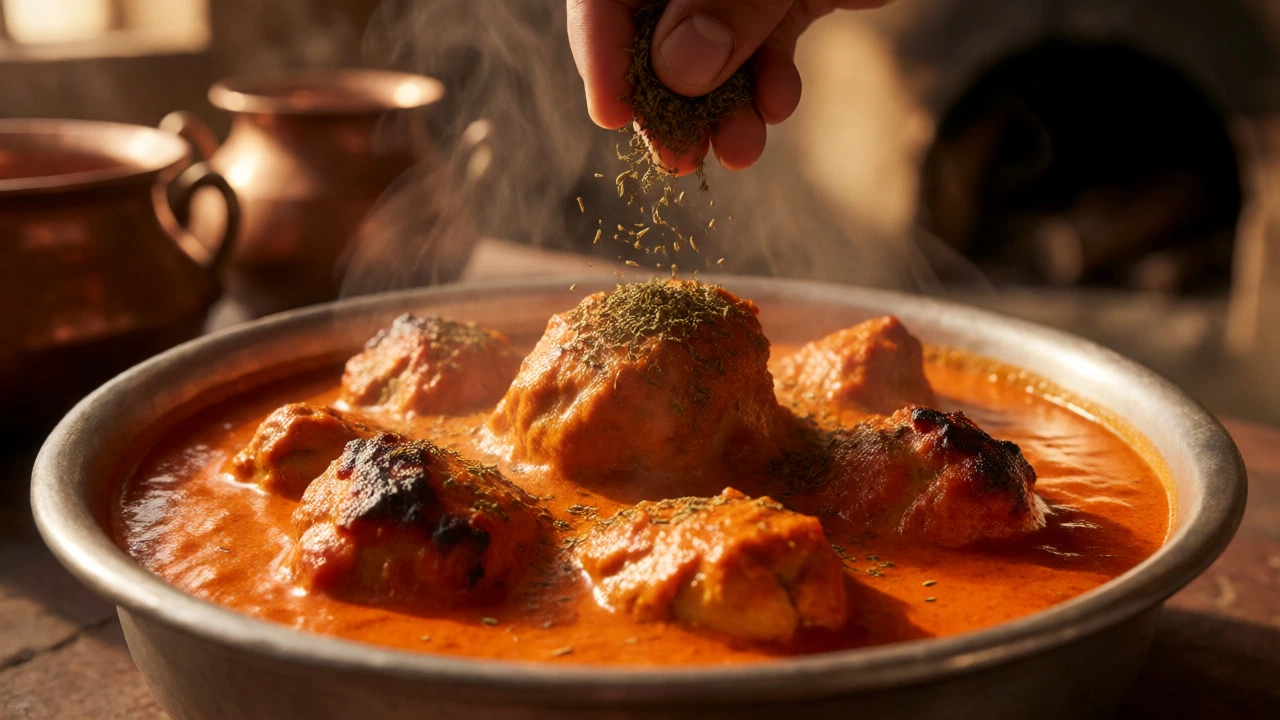
First, there’s the base. Authentic recipes don’t use ketchup. They use ripe tomatoes cooked down until they lose their raw acidity. Then comes the aromatics: ginger-garlic paste fried gently until golden, never burnt. The heat source matters too. Traditionalists use ghee (clarified butter) rather than oil because ghee adds a nutty depth that vegetable oil can’t match. Finally, the finish involves kasuri methi (dried fenugreek leaves). Crushed between your palms, these leaves release an aroma that smells like maple syrup and celery combined. Without kasuri methi, you don’t have Butter Chicken; you just have chicken tikka masala’s less interesting cousin.
The Role of Dairy in Texture
Cream isn’t just there to make it mild. It emulsifies the spices. Capsaicin (the heat element in chilies) and essential oils in spices like cardamom and cinnamon are fat-soluble. When you add heavy cream or yogurt, those flavors bind together, creating a cohesive taste profile instead of a disjointed spicy kick. This is why the dish feels luxurious on the tongue. It coats every surface, ensuring each bite delivers the full spectrum of flavor.
Butter Chicken vs. Chicken Tikka Masala: Who Really Wears the Crown?
You cannot discuss the king without addressing the usurper: Chicken Tikka Masala. Many people confuse the two. While they share DNA, they are distinct entities. Understanding the difference helps you appreciate why Butter Chicken often wins the popularity contest.
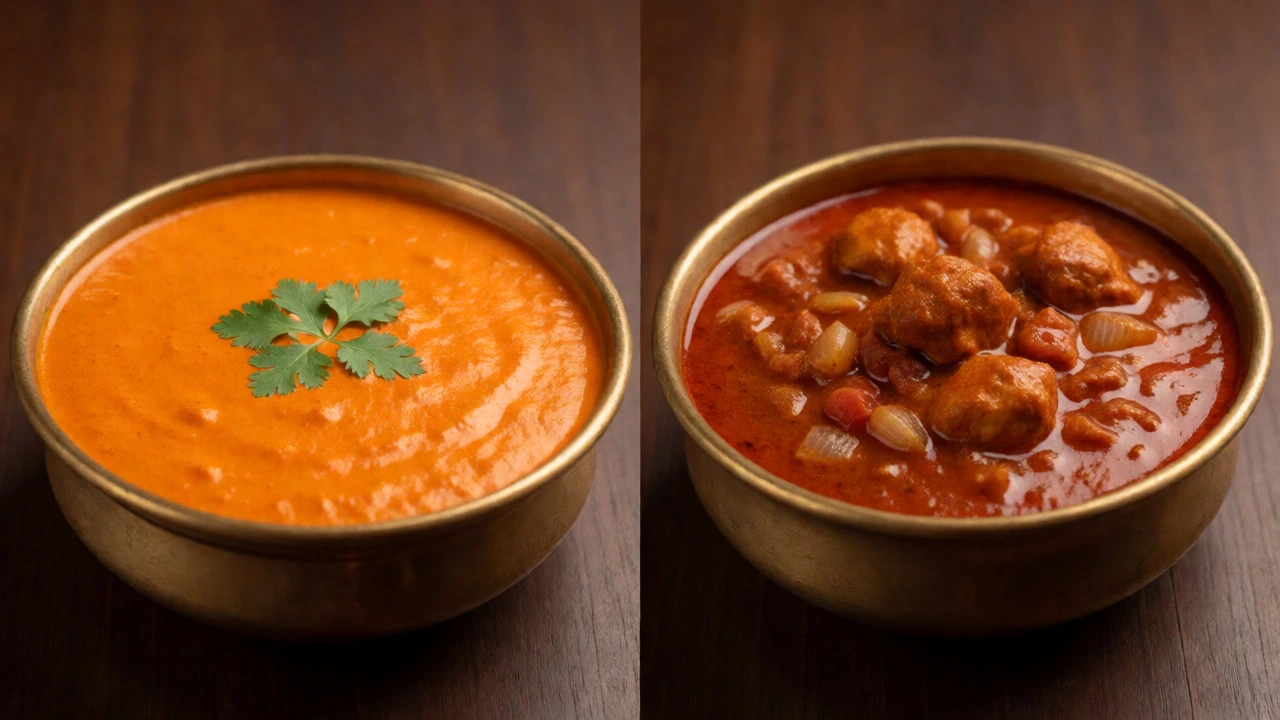
| Feature | Butter Chicken (Murgh Makhani) | Chicken Tikka Masala |
|---|---|---|
| Origin | Delhi, India (1940s) | UK (often cited as Glasgow or Birmingham) |
| Base Ingredient | Tomatoes, Cashews, Cream, Butter | Tomatoes, Yogurt, Spices, Oil/Ghee |
| Texture | Velvety, thick, smooth | Slightly thinner, chunkier bits of onion/tomato |
| Color | Bright Orange (due to paprika/kashmiri chili & cream) | Darker Red/Brown (due to heavier spice roast) |
| Flavor Profile | Mild, sweet, rich, aromatic | Spicier, tangier, more savory |
Notice the origin column. Chicken Tikka Masala is widely considered a British invention, adapted for Western palates that found traditional Indian food too spicy. Butter Chicken remains an Indian original. If we define the "King" by authenticity and cultural roots, Butter Chicken takes the crown. If we define it by global sales volume, the lines blur, but Butter Chicken still holds significant prestige in fine dining circles where heritage matters.
Why Home Cooks Fail (And How to Fix It)
I’ve watched countless friends try to recreate this dish at home. They buy pre-made pastes, dump them in a pan, throw in boiled chicken, and wonder why it tastes flat. Here is the hard truth: boiling chicken kills the texture. And using jarred paste skips the critical step of blooming spices.
Here is how you actually cook it right:
- Marinate Properly: Use yogurt, lemon juice, ginger-garlic, and Kashmiri red chili powder. Let it sit for at least 4 hours, preferably overnight. The enzymes in yogurt tenderize the meat.
- Char the Chicken: Don’t boil it. Grill it, bake it, or air-fry it until it has blackened edges. That smoke flavor is non-negotiable. It’s the soul of the dish.
- Make Your Own Paste: Boil whole tomatoes, then blend them. Strain the puree to remove seeds. Seeds make the gravy bitter. Simmer this puree until the oil separates. This process, called "bhunao," removes the raw tomato taste.
- Fenugreek is Key: Add dried fenugreek leaves (kasuri methi) at the very end. Rubbing them between your hands releases the oils. If you skip this, you’re missing the signature scent.
One common mistake is adding too much water. The gravy should be thick enough to coat the back of a spoon. If it’s watery, reduce it longer. Patience yields richness.
Is It Actually Healthy?
Let’s address the elephant in the room. Butter Chicken is not a diet food. A standard restaurant serving can contain upwards of 500-700 calories, largely due to the heavy cream and butter. However, calling it "unhealthy" ignores context.
Chicken breast provides lean protein. Tomatoes offer lycopene, an antioxidant linked to heart health. Ginger and garlic have anti-inflammatory properties. If you swap heavy cream for coconut milk or Greek yogurt, you cut saturated fats significantly while maintaining creaminess. At home, you control the ingredients. You can use grass-fed butter and organic tomatoes. In restaurants, you get what you pay for-often excessive sugar and refined oils. So, the "King" can be part of a balanced diet if you respect portion sizes and tweak the recipe.
The Verdict: Why It Remains the King
So, does it deserve the title? Yes, but with caveats. No single dish represents the entirety of Indian cuisine. A Thali from Gujarat looks nothing like a meal from Punjab. Yet, if you judge by influence, recognition, and the ability to bring diverse groups to the table, Butter Chicken stands alone.
It transcends barriers. Children love it because it’s mild. Adults love it because it’s complex. Foodies love it because of its history. Travelers order it because it’s safe yet flavorful. Other curries might be spicier, healthier, or more traditional, but none possess the same universal appeal. That accessibility, combined with genuine culinary craft, cements its status.
Next time you cook it, don’t just follow a recipe blindly. Respect the steps. Char the meat properly. Bloom the spices. Finish with fenugreek. Taste the difference between a good curry and the King of Curries.
Is Butter Chicken the same as Chicken Tikka Masala?
No, they are different dishes. Butter Chicken (Murgh Makhani) originated in Delhi, India, in the 1940s and uses a base of tomatoes, cashews, cream, and butter. Chicken Tikka Masala is widely believed to have been invented in the UK, often using a yogurt-based marinade and a spicier, less creamy gravy with visible chunks of onion and tomato.
What makes Butter Chicken orange?
The vibrant orange color comes from a combination of ingredients. Primarily, it is achieved by using Kashmiri red chili powder, which provides deep red color without extreme heat, mixed with yellow turmeric and white cream. Some commercial versions use artificial coloring, but authentic homemade versions rely on the natural pigments of the spices and dairy.
Can I make Butter Chicken without cream?
Yes, you can substitute heavy cream with coconut milk for a vegan version, though the flavor profile will shift slightly towards tropical notes. For a lighter option, use Greek yogurt or low-fat milk, but be careful not to boil the yogurt vigorously as it may curdle. Cashew paste blended with water is another excellent alternative that maintains richness without dairy.
Why is my Butter Chicken bitter?
Bitterness usually stems from three sources: burning the garlic or ginger, leaving tomato seeds in the puree, or adding too much fenugreek (kasuri methi). Ensure you strain your tomato puree thoroughly and fry aromatics gently over medium-low heat. Fenugreek should be used sparingly and added only at the end of cooking.
Which side dishes go best with Butter Chicken?
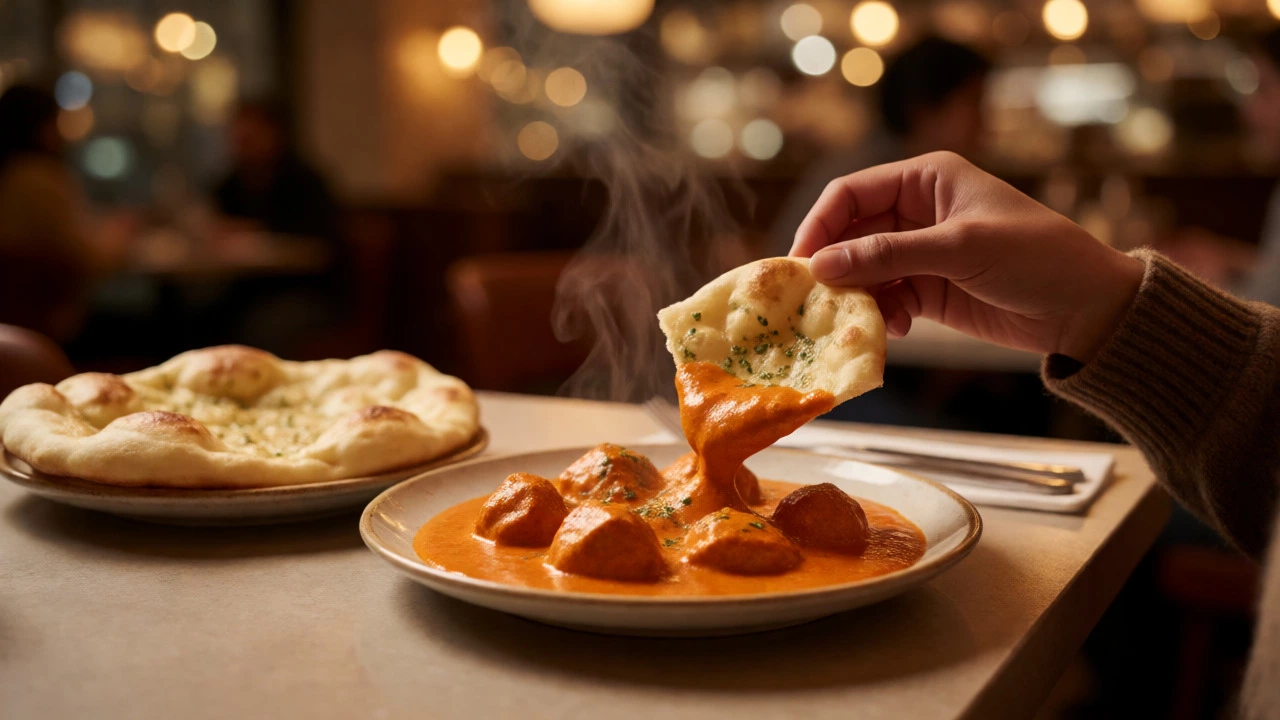
Because the gravy is rich and creamy, it pairs best with neutral starches that can soak up the sauce. Garlic Naan, Tandoori Roti, or Jeera Rice (cumin rice) are traditional choices. A simple cucumber raita or a fresh kachumber salad provides a cooling contrast to the richness of the curry.