Do Jains Eat Potatoes? The Truth About Root Vegetables in Jain Diet
 Sep, 8 2026
Jain Diet Compatibility Checker
Select a food item to see if it is traditionally permitted in a strict Jain diet. This tool helps distinguish between general vegetarianism and the specific constraints of Jain ahimsa.
Please select a food item from the list to check its status.
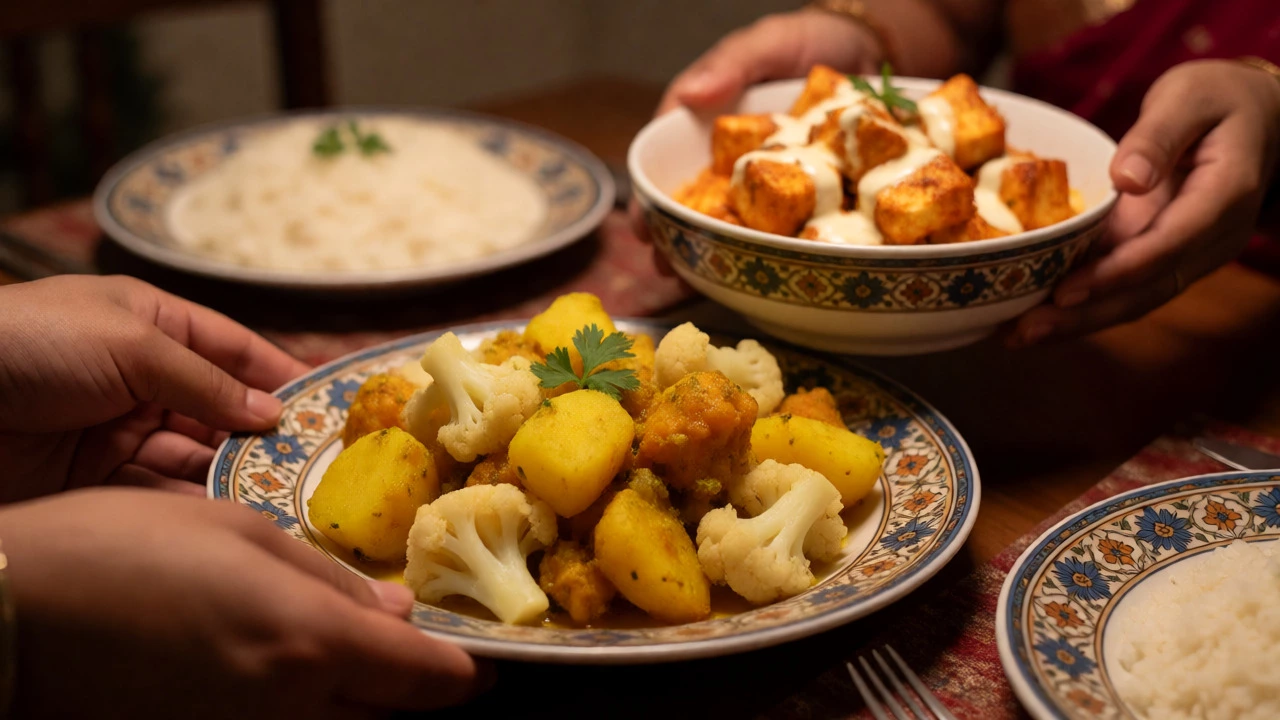
You’re at a dinner party in Mumbai, and the host proudly serves a spicy Aloo Gobi. You watch your Jain friend politely decline, pointing to the potatoes. Your first thought might be, "But they’re just veggies!" It’s a common confusion. If someone is vegetarian, why are potatoes off-limits? The short answer is: most traditional Jains do not eat potatoes. But the reason isn’t about calories or taste-it’s about something much deeper involving life, harm, and microscopic beings.
Jainism is an ancient Indian religion that places non-violence (ahimsa) at the center of its ethical code. Unlike other vegetarian diets that simply avoid meat, the Jain diet extends this principle to protect all forms of life, including plants and microorganisms. This leads to strict prohibitions on root vegetables like potatoes, onions, garlic, and carrots.
The Core Principle: Ahimsa and Microbial Life
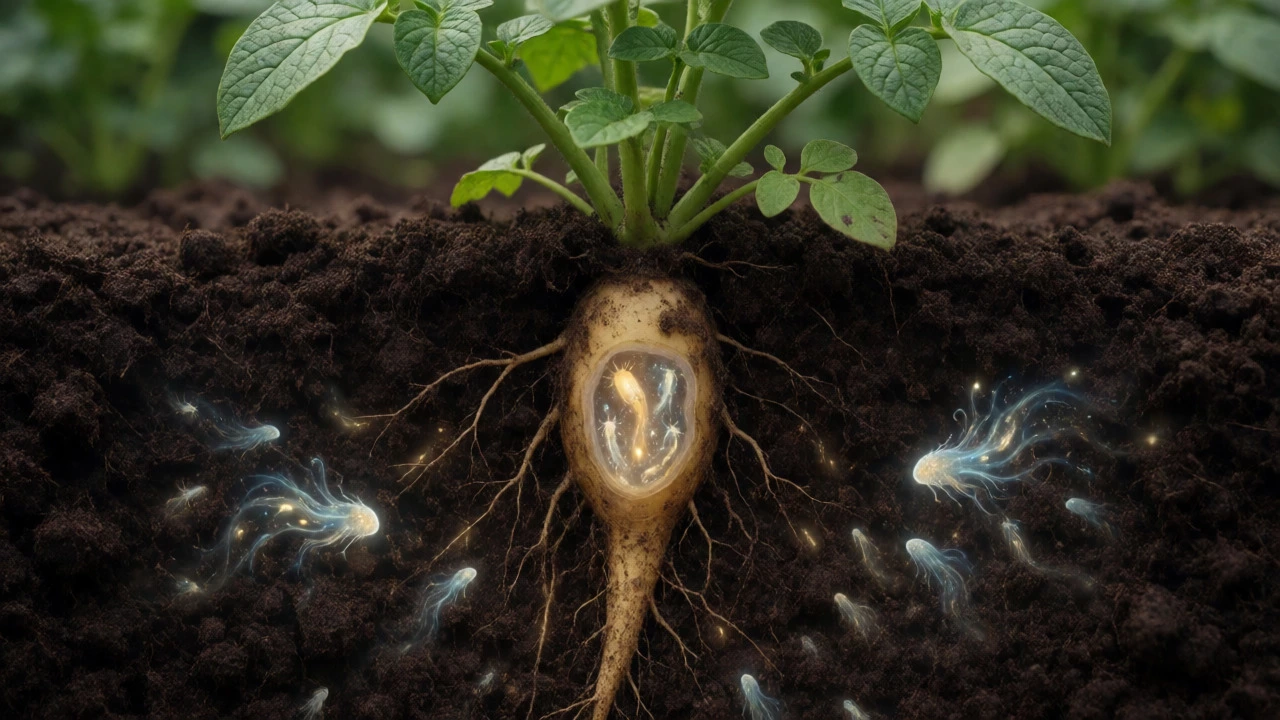
To understand why a potato is controversial in Jain circles, you have to look beyond the plate. For a Jain, eating isn't just fueling the body; it's a spiritual act. The concept of ahimsa means avoiding harm to any living being. Jains believe that every element-earth, water, fire, air, and space-contains life forms. Even more critically, they believe that root vegetables harbor infinite numbers of microscopic organisms called nigodas.
When you pull a potato out of the ground, two things happen from a Jain perspective. First, the plant itself dies. While Jains accept that plants have one sense (touch), they argue that uprooting a plant kills the entire organism, whereas plucking fruit or leaves allows the plant to continue living. Second, and perhaps more importantly, digging into the soil disturbs countless tiny creatures living in the earth. A single potato can carry millions of microbes. Eating it is seen as consuming those lives, which accumulates negative karma.
Why Potatoes Are Specifically Banned
Potatoes are classified as kand-mool (root vegetables) in Jain terminology. This category includes anything that grows underground. Let’s break down the specific issues with potatoes:
- The Uprooting Factor: To get a potato, you must kill the plant. In contrast, apples, bananas, or leafy greens can be harvested without killing the tree or plant. This makes fruits and above-ground vegetables "safer" from a karmic standpoint.
- Microbial Density: Soil is teeming with life. Jains believe that root vegetables absorb these life forces. The belief is that a single root vegetable contains infinite souls (anantkayik). Consuming them causes significant violence.
- Sprouting and Storage: Potatoes often sprout when stored. These sprouts are considered new life forms. Eating a sprouted potato is viewed similarly to eating an animal embryo in some interpretations, adding another layer of complexity to their avoidance.
It’s not just about the potato itself. The preparation matters too. Traditional Jain kitchens often use filtered water and avoid certain spices like ginger and garlic for similar reasons-they are also roots or rhizomes that disturb the earth.
Not All Jains Are the Same: Levels of Observance
Here is where it gets nuanced. Saying "Jains don't eat potatoes" is accurate for orthodox practitioners, but the reality on the ground varies. Jainism has different sects (like Digambara and Svetambara) and varying levels of religious observance among laypeople versus monks.
Monks and nuns follow the strictest rules. They will never touch a potato, let alone eat one. Laypeople, however, exist on a spectrum. Some devout Jains strictly avoid all root vegetables, including potatoes, onions, garlic, radishes, and beets. Others might avoid only the "big three" (onions, garlic, potatoes) but occasionally consume carrots or turnips if they are washed extremely well. Then there are modern, secular Jains who may identify culturally but don’t adhere to these dietary restrictions, eating everything except meat.
If you are cooking for a Jain guest, always ask. Don’t assume. Some might say, "I’m Jain," but happily eat a potato curry. Others might refuse even a carrot. The safest bet is to stick to fruits, dairy, grains, and legumes that grow above ground.
What Can Jains Eat Instead?
Just because potatoes are out doesn’t mean Jain cuisine lacks flavor. In fact, Jain cooking is incredibly diverse, relying heavily on seasonal produce, lentils, and dairy. Since they cannot use onions or garlic for base flavors, they rely on asafoetida (hing), ginger, green chilies, and fresh herbs to create depth.
Common Jain-friendly ingredients include:
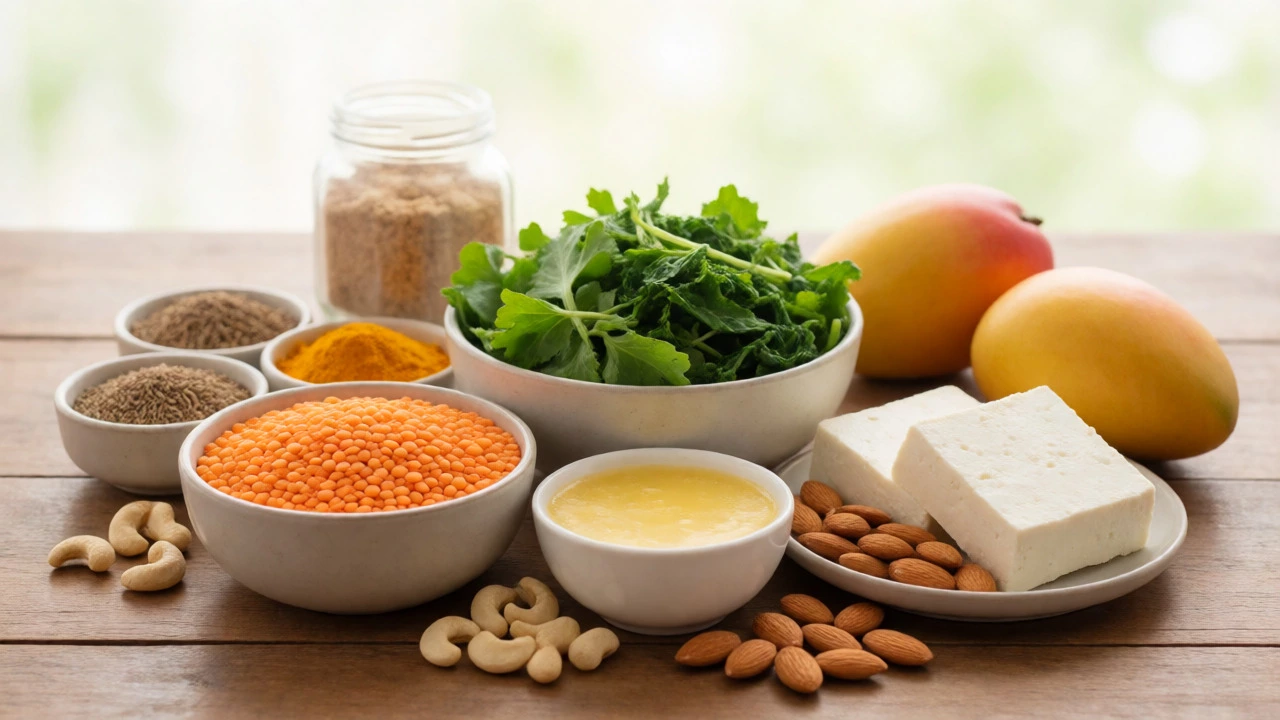
- Ghee and Paneer: Clarified butter and cottage cheese are staples. They provide richness that replaces the savory umami usually derived from onions.
- Lentils (Dal): Moong dal, masoor dal, and chana dal are protein powerhouses. They are grown above ground and pose no risk of harming subterranean life.
- Fruits and Nuts: Almonds, cashews, raisins, and seasonal fruits like mangoes and guavas are encouraged. Note: Some strict Jains avoid fruits that contain seeds internally if they believe the fruit was picked before fully ripe, but generally, ripe fruits are safe.
- Grains: Wheat, rice, and millet are acceptable. However, during monsoon season, many Jains restrict grain consumption due to the high microbial activity in wet conditions, preferring simple foods like boiled vegetables and fruits.
The Monsoon Restriction: A Unique Twist
You might think avoiding potatoes is hard enough, but Jains have another challenge: the rainy season. From mid-July to mid-October, many practicing Jains observe a period called Chaturmas. During these four months, they restrict their diet even further.
Why? Because rain brings an explosion of microbial life. Wet soil becomes a breeding ground for bacteria and insects. Jains believe that eating leafy greens or raw vegetables during this time increases the chance of ingesting unseen life forms. So, during Chaturmas, many Jains switch to a very bland diet consisting mainly of cooked grains, ghee, sugar, salt, and water. No leafy greens, no salads, and definitely no potatoes. This practice highlights how deeply environmental awareness is woven into their faith.
Comparison: Jain Diet vs. Other Vegetarian Diets
It helps to see how the Jain diet stacks up against other popular vegetarian styles. Many people confuse Jain food with vegan or Hindu vegetarian diets. Here’s a quick breakdown:
| Diet Type | Meat/Fish | Eggs | Root Vegetables (Potato/Onion) | Dairy | Honey |
|---|---|---|---|---|---|
| Jain (Strict) | No | No | No | Yes | No (usually) |
| Hindu Vegetarian | No | No | Varies (Many eat) | Yes | Yes |
| Vegan | No | No | Yes | No | No |
| Pescatarian | Fish Only | Yes | Yes | Yes | Yes |
Notice the key difference: Vegans avoid animal products but love potatoes. Jains love dairy but hate potatoes. This distinction is crucial for anyone planning meals for mixed groups.
Cooking Tips for Jain-Friendly Meals
If you want to impress a Jain friend or explore this cuisine yourself, here are some practical tips. First, check your spice box. Most standard Indian masalas contain onion powder or garlic powder. You’ll need to make your own blends using cumin, coriander, turmeric, red chili powder, and garam masala (ensure the garam masala doesn’t have hidden onion/garlic). Use asafoetida (hing) generously. It provides a pungent, savory kick that mimics the depth of garlic.
Second, watch out for cross-contamination. If you cook in a shared kitchen, ensure the cutting board used for onions hasn’t touched the paneer. For strict Jains, even touching the food with hands that recently handled root vegetables can be problematic, though this is less common in casual settings.
Finally, embrace creativity. Without potatoes, you lose a cheap, filling starch. Replace it with sabudana (tapioca pearls), buckwheat, or amaranth. These grains are light, nutritious, and perfectly aligned with Jain principles. Try making Sabudana Khichdi instead of Aloo Pulao. You’ll find that the texture and satisfaction level are surprisingly comparable.
Health Perspective: Is Avoiding Potatoes Healthy?
From a nutritional standpoint, avoiding potatoes isn’t necessarily better or worse. Potatoes are high in carbohydrates and potassium. By skipping them, Jains often consume more lentils and dairy, which can lead to higher protein and calcium intake. However, they might miss out on Vitamin C found in potatoes unless they eat plenty of citrus fruits or tomatoes (which are technically berries, so they are allowed).
Some studies suggest that reducing nightshade vegetables (which include potatoes) can help with inflammation for certain individuals, though this is debated. For the average person, the health impact of skipping potatoes is negligible if the rest of the diet is balanced. The real benefit for Jains is psychological and spiritual: the discipline of mindful eating promotes slower consumption and greater appreciation of food sources.
Conclusion: Respect the Reason, Not Just the Rule
So, do Jains eat potatoes? Generally, no. But it’s not because they dislike carbs. It’s a profound commitment to minimizing harm to the smallest forms of life. When you skip the potato, you’re acknowledging that every bite has a consequence. Whether you follow Jainism or not, adopting a bit of this mindfulness-knowing where your food comes from and what it took to get it to your plate-is a worthwhile habit. Next time you’re tempted by a creamy potato dish, think about the invisible world beneath the soil. You might just decide to go with the paneer tikka instead.
Frequently Asked Questions
Can Jains eat tomatoes?
Yes, Jains can eat tomatoes. Botanically, tomatoes are fruits (berries), and they grow above ground. They do not require uprooting the plant to harvest, nor do they harbor the same density of subterranean microbes as root vegetables. Tomatoes are a staple in many Jain curries and gravies.
Why do Jains avoid onions and garlic?
Like potatoes, onions and garlic are root vegetables (or bulbs/rhizomes). Pulling them from the earth kills the plant and disturbs soil life. Additionally, Jain texts suggest that onions and garlic increase passion and aggression (rajasic qualities), which hinders meditation and spiritual clarity. Asafoetida is commonly used as a substitute for flavor.
Are mushrooms allowed in the Jain diet?
No, mushrooms are generally avoided. Although they are fungi, not plants, they grow in dark, damp environments rich in decay and microorganisms. Jains believe that fungi attract various life forms and are difficult to clean thoroughly, posing a high risk of accidental harm to unseen creatures.
Do all Jains follow the same strict diet?
No, adherence varies significantly. Monks and nuns follow strict ascetic rules. Laypeople range from strict observers who avoid all roots and eat only during daylight hours, to liberal followers who only avoid meat and eggs. Cultural background and personal devotion play major roles in individual practices.
Is Jain food vegan?
No, Jain food is not vegan. It heavily features dairy products like milk, yogurt, ghee, and paneer. The restriction is on animal flesh and eggs, not animal by-products. However, some Jains avoid honey because harvesting it involves harming bees, which conflicts with ahimsa.
Can Jains eat carrots?
Strictly speaking, no. Carrots are root vegetables. Like potatoes, they are pulled from the ground, killing the plant and disturbing soil life. However, some less strict Jains may consume them if they are washed exceptionally well, though traditionalists exclude them entirely.
Why do Jains not eat after sunset?
This practice, known as 'Naktas' or avoiding night eating, is based on the belief that darkness encourages the movement of small insects and microbes. Eating at night increases the likelihood of accidentally swallowing these creatures. Additionally, digestion is believed to be less efficient at night, leading to health issues.
Are peanuts allowed in Jain food?
Yes, peanuts are generally allowed. Although they grow underground, they are legumes, not true roots in the botanical sense that concerns Jains regarding plant death. However, some strict interpretations might avoid them due to their subterranean growth, but they are widely accepted in most Jain communities compared to potatoes or onions.