The No. 1 Tasty Chocolate in India: Cadbury Dairy Milk vs. Amul & More
 Jun, 12 2026
Find Your Perfect Indian Chocolate Match
Not sure whether to go for the creamy classic or the bitter-sweet sophisticated choice? Answer these 3 quick questions to discover which chocolate matches your palate.
Cadbury Dairy Milk
Your perfect match
This is the ultimate crowd-pleaser. With its high milk content and smooth texture, it offers that nostalgic sweetness everyone loves.
Key Profile:
- Creamy Texture
- High Sweetness
Best For:
- Daily Snacking
- Pairing with Tea
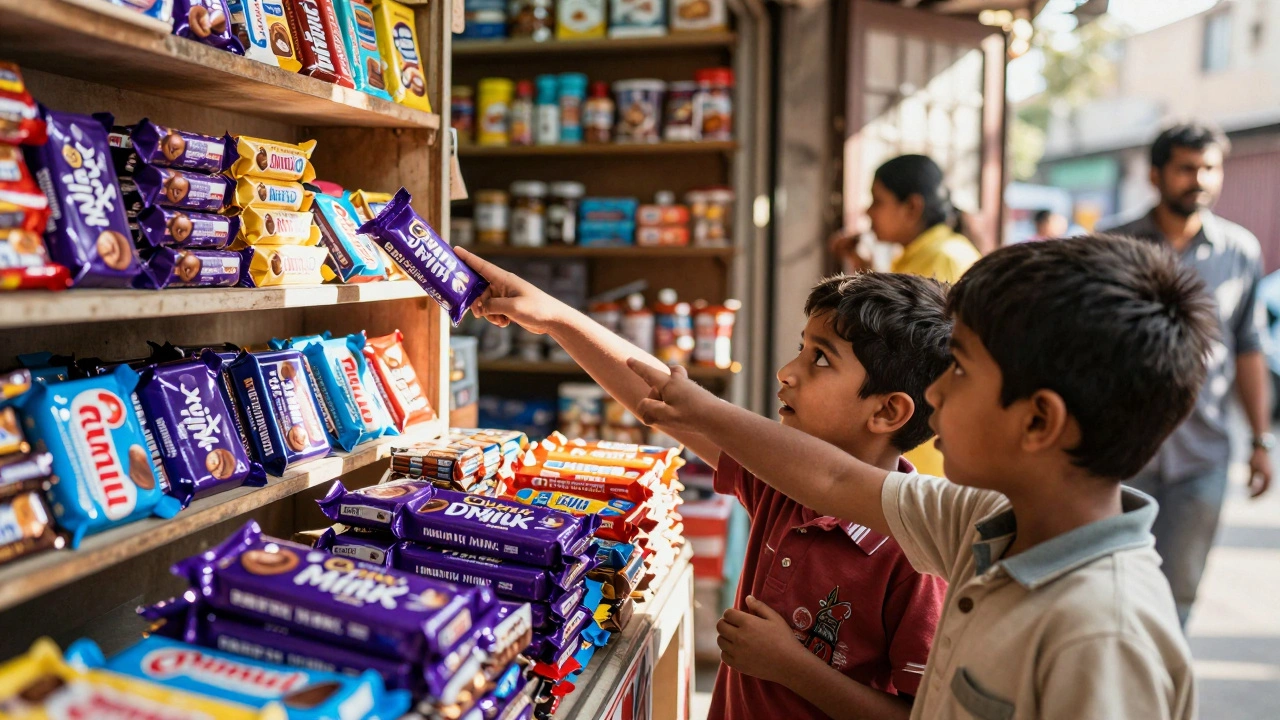
Walk into any kirana store or supermarket in Mumbai on a hot afternoon, and you will see the same battle playing out on the shelves. A child points to a purple wrapper. Another points to a blue one. The question isn't just about sugar; it is about identity, taste memory, and that specific craving for something rich and creamy. When people ask, "Which is the No. 1 tasty chocolate in India?", they are usually looking for validation of their favorite or permission to try the rival brand.
The answer is not simple because taste is subjective. However, if we look at sales data, market dominance, and consumer loyalty, one name stands above the rest. Cadbury Dairy Milk has held the crown for decades. But is it actually the best tasting? Or does Amul Dark, with its sharper profile, win the hearts of adults?
| Brand | Type | Key Flavor Profile | Best For |
|---|---|---|---|
| Cadbury Dairy Milk | Milk Chocolate | Creamy, smooth, milky | Daily snacking, gifts |
| Amul Dark | Dark Chocolate | Bitter-sweet, intense cocoa | Adults, health-conscious |
| Lindt Lindor | Truffle | Melt-in-mouth, luxurious | Premium gifting |
| Ferrero Rocher | Hazelnut Truffle | Nutty, crunchy, sweet | Festive occasions |
Why Cadbury Dairy Milk Remains the King
You cannot talk about chocolate in India without talking about Cadbury. It is not just a product; it is a cultural staple. Since entering the Indian market, Cadbury Dairy Milk has perfected the formula for mass appeal. The secret lies in its high milk content and low cocoa percentage compared to European standards. This creates a texture that is incredibly smooth and melts quickly on the tongue.
For most Indians, especially those who grew up in the 90s and 2000s, the taste of Cadbury is synonymous with celebration. Think about Diwali boxes, birthday parties, or even just a treat after school. The brand invested heavily in emotional marketing, linking the chocolate to moments of sharing and joy. When you bite into a bar of Cadbury Silk or the classic Dairy Milk, you get a consistent experience. It is never too bitter, never too hard, and always sweet enough to satisfy a sugar craving instantly.
However, critics argue that it is too sweet. If you are used to Belgian or Swiss chocolates, Cadbury might taste like candy. But for the average Indian palate, which leans towards sweeter desserts like Gulab Jamun and Rasgulla, this sweetness is a feature, not a bug. It pairs well with tea, making it a perfect evening snack.
The Rise of Amul: The Value and Taste Challenger
If Cadbury is the king of emotion, Amul is the king of value and practicality. Owned by the Gujarat Cooperative Milk Marketing Federation, Amul has disrupted the chocolate market by offering high-quality products at a lower price point. Their flagship product, Amul Dark, has become a cult favorite among adults and students alike.
Unlike Cadbury's milk-heavy approach, Amul focuses on cocoa intensity. Amul Dark 70% offers a genuine dark chocolate experience that is affordable. It has a slight bitterness that balances the sugar, making it less cloying than standard milk chocolates. Many people in Mumbai prefer Amul for daily consumption because it feels less indulgent yet still satisfying.
Amul also excels in variety. They offer fruit-filled chocolates, almond bars, and white chocolate options that compete directly with premium brands. The packaging is simple, but the taste is reliable. For families buying in bulk, Amul often wins the shopping cart war due to its competitive pricing per gram.
Premium Players: Lindt and Ferrero Rocher
When the occasion calls for luxury, Indian consumers shift gears. This is where Lindt and Ferrero Rocher dominate. These are not everyday snacks; they are gifts. Lindt Lindor truffles are famous for their soft center that melts in your mouth. The quality of cocoa butter used here is significantly higher than in mass-market bars, resulting in a richer flavor profile.
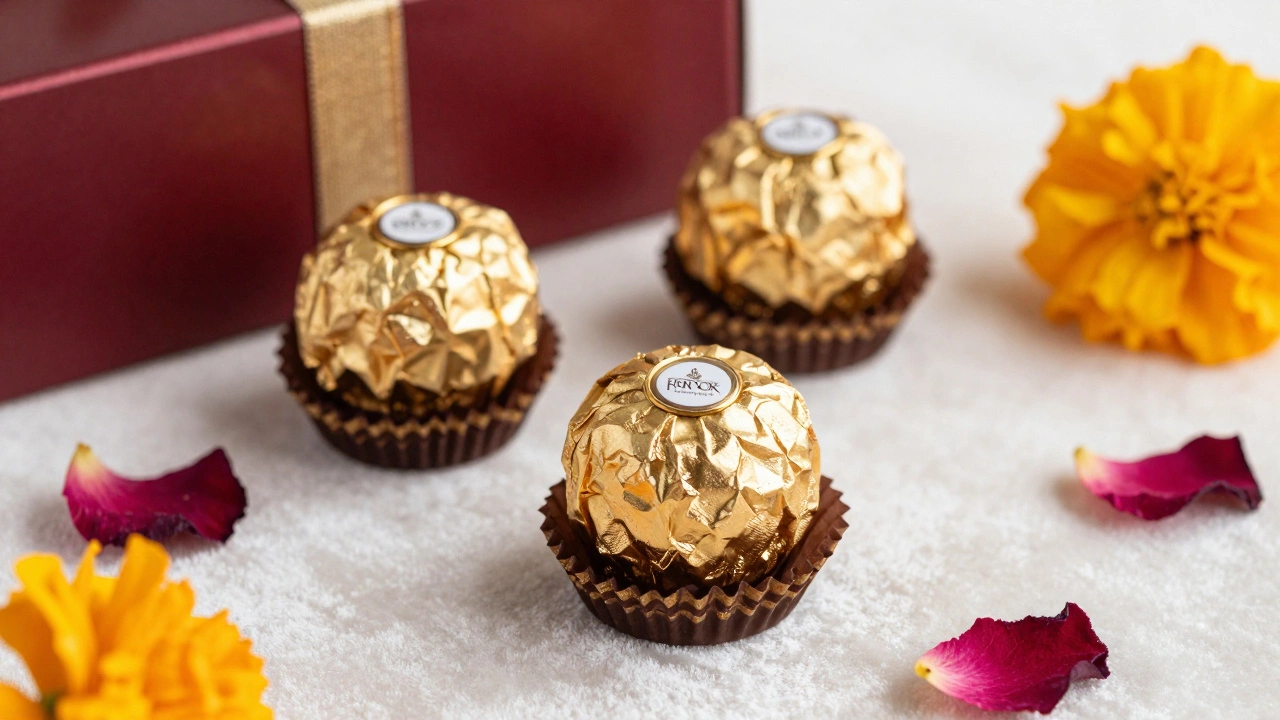
Ferrero Rocher brings a different texture game. The combination of a hazelnut core, wafer shell, and milk chocolate coating creates a multi-layered experience. It is crunchy, chewy, and smooth all at once. During festive seasons like Raksha Bandhan or Christmas, these boxes fly off the shelves. While they are expensive, the perceived value is high. You buy them to impress, not just to eat.
Local Favorites and Regional Variations
India is diverse, and so are its chocolate preferences. In South India, brands like Nestle KitKat have a strong following, particularly among younger demographics who enjoy the crunch. In North India, there is a growing trend towards artisanal chocolates made from local cocoa beans grown in Kerala and Karnataka. Brands like Kokum Chocolate or single-origin bars are gaining traction among foodies who want to support local agriculture.
Don't underestimate the power of regional sweets combined with chocolate. Many modern Indian bakeries now offer chocolate-infused versions of traditional sweets. Imagine a Chocolate Ladoo or a Chocolate Barfi. These fusion treats bridge the gap between traditional Indian sweets and Western confectionery, appealing to those who find regular chocolate too plain.
How to Choose the Right Chocolate for Your Needs
Selecting the "No. 1" chocolate depends entirely on your goal. Are you gifting? Snacking? Cooking? Here is a quick guide to help you decide:
- For Gifting: Go for Ferrero Rocher or Lindt. The packaging speaks volumes, and the taste is universally appreciated as premium.
- For Daily Snacking: Cadbury Dairy Milk is the safest bet. It is widely available, affordable, and consistently tasty.
- For Health-Conscious Eaters: Choose Amul Dark 70% or other dark chocolates with over 60% cocoa. They contain antioxidants and less sugar.
- For Baking: Use baking-specific chips or bars. Regular eating chocolate may burn easily. Look for brands that specify "baking chocolate" with a higher cocoa butter content.
Common Mistakes When Buying Chocolate in India
Many people make the mistake of judging chocolate solely by its price tag. Expensive does not always mean better tasting for everyone. Some premium chocolates use exotic flavors that might clash with your preference for simplicity. Also, check the storage conditions. Chocolate is sensitive to heat and humidity. If you buy chocolate from a shop with poor air conditioning, it might suffer from "bloom," where white spots appear on the surface due to fat or sugar separation. This doesn't make it unsafe, but it ruins the texture.
Another mistake is ignoring the ingredients list. Many cheap chocolates use vegetable fats instead of cocoa butter. This makes the chocolate harder and gives it a waxy mouthfeel. Always look for "cocoa butter" as the primary fat source. This ensures a smooth melt and authentic chocolate flavor.
The Future of Chocolate in India
The Indian chocolate market is evolving. With rising health awareness, we are seeing more sugar-free and protein-enriched chocolates. Brands are experimenting with Indian flavors like cardamom, saffron, and mango. Imagine a dark chocolate infused with real saffron strands. It sounds unusual, but it aligns with our love for aromatic spices. As local cocoa production increases, we can expect more single-origin Indian chocolates that rival international standards.
Whether you stick with the nostalgic comfort of Cadbury or explore the bold flavors of artisanal brands, the world of chocolate in India is vast. The "No. 1" title is yours to claim based on your personal taste buds. So, next time you stand in front of that shelf, trust your instinct. After all, the best chocolate is the one that makes you smile when you take the first bite.
Is Cadbury Dairy Milk really the best chocolate in India?
While "best" is subjective, Cadbury Dairy Milk is the most popular and widely consumed chocolate in India due to its creamy texture, sweet taste, and strong brand presence. It dominates the market share and is a household name across all age groups.
What is the difference between Amul Dark and Cadbury?
Amul Dark is a dark chocolate with a higher cocoa content and a slightly bitter taste, appealing to adults and health-conscious consumers. Cadbury Dairy Milk is a milk chocolate, known for being sweeter, creamier, and smoother, making it a favorite for general snacking.
Which chocolate is best for gifting in India?
For gifting, premium brands like Ferrero Rocher, Lindt Lindor, and Godiva are preferred. Their elegant packaging and luxurious taste make them suitable for festivals, birthdays, and corporate events.
Are Indian-made chocolates as good as imported ones?
Yes, many Indian chocolates are of high quality. Brands like Amul and Cadbury (manufactured in India) meet global standards. Additionally, emerging artisanal brands using locally sourced cocoa from Kerala and Karnataka are producing world-class single-origin chocolates.
How should I store chocolate in India's climate?
Store chocolate in a cool, dry place away from direct sunlight. Ideal temperature is between 15-18°C. Avoid refrigeration unless necessary, as condensation can cause sugar bloom. In humid cities like Mumbai, keep chocolate in an airtight container.