The Truth About the Tastiest Indian Food: A Guide to Iconic Dishes
 Jul, 24 2026
Indian Cuisine Flavor & Spice Explorer
Click a dish to analyze its taste profile and heat level.
Select a Dish
Choose a dish from the list to see its flavor breakdown, origin, and spice intensity.
Naan
Description goes here.
Ask ten people what the tastiest Indian food is, and you will likely get ten different answers. One person might swear by the smoky depth of a North Indian butter chicken, while another insists that no meal is complete without the tangy punch of South Indian dosa. The truth is, India is not just one country; it is a subcontinent with diverse climates, histories, and agricultural traditions. This diversity creates a culinary landscape where "taste" is subjective but deeply rooted in geography.
If you are looking for the single best dish, you are asking the wrong question. Instead, let's look at why certain dishes have conquered global palates and how you can recreate these iconic flavors at home. We will break down the heavy hitters, explain the science behind their appeal, and give you the tools to make them yourself.
Why Butter Chicken Conquered the World
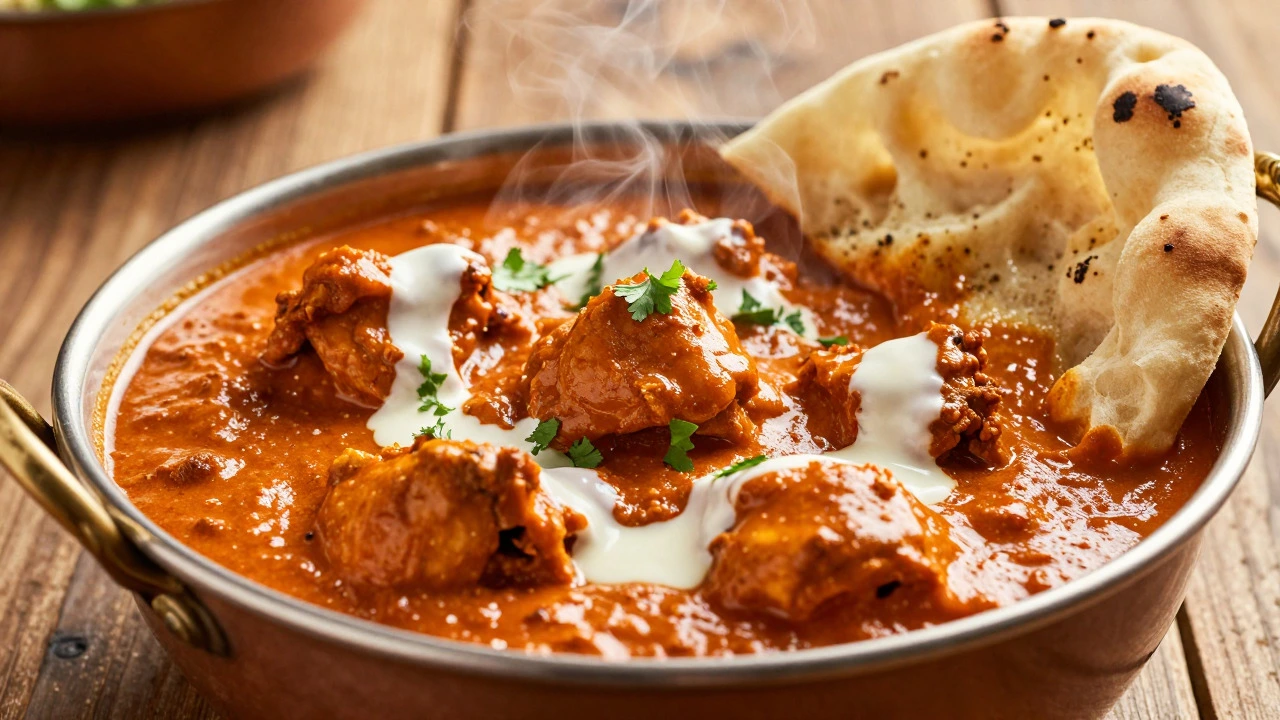
When Westerners think of Indian food, they often picture Butter Chicken, or Murgh Makhani. It is creamy, mildly spiced, and incredibly comforting. This dish was invented in Delhi in the 1950s as a way to use leftover tandoori chicken. Chefs simmered the charred meat in a tomato-based gravy enriched with butter and cream.
The reason this dish tastes so good to many people is its balance. Indian cooking relies on the interplay of six tastes: sweet, sour, salty, bitter, pungent, and astringent. Butter Chicken hits the sweet (tomatoes), salty (salt), and pungent (chili) notes while smoothing out the edges with fat (butter/cream). It is an accessible entry point into Indian cuisine because it lacks the intense heat that intimidates beginners.
- Key Flavor Profile: Creamy, tomato-forward, mild heat.
- Best Paired With: Garlic naan or jeera rice.
- Pro Tip: Do not boil the cream. Add it at the very end to prevent curdling.
The Tangy Power of South India: Dosas and Idlis
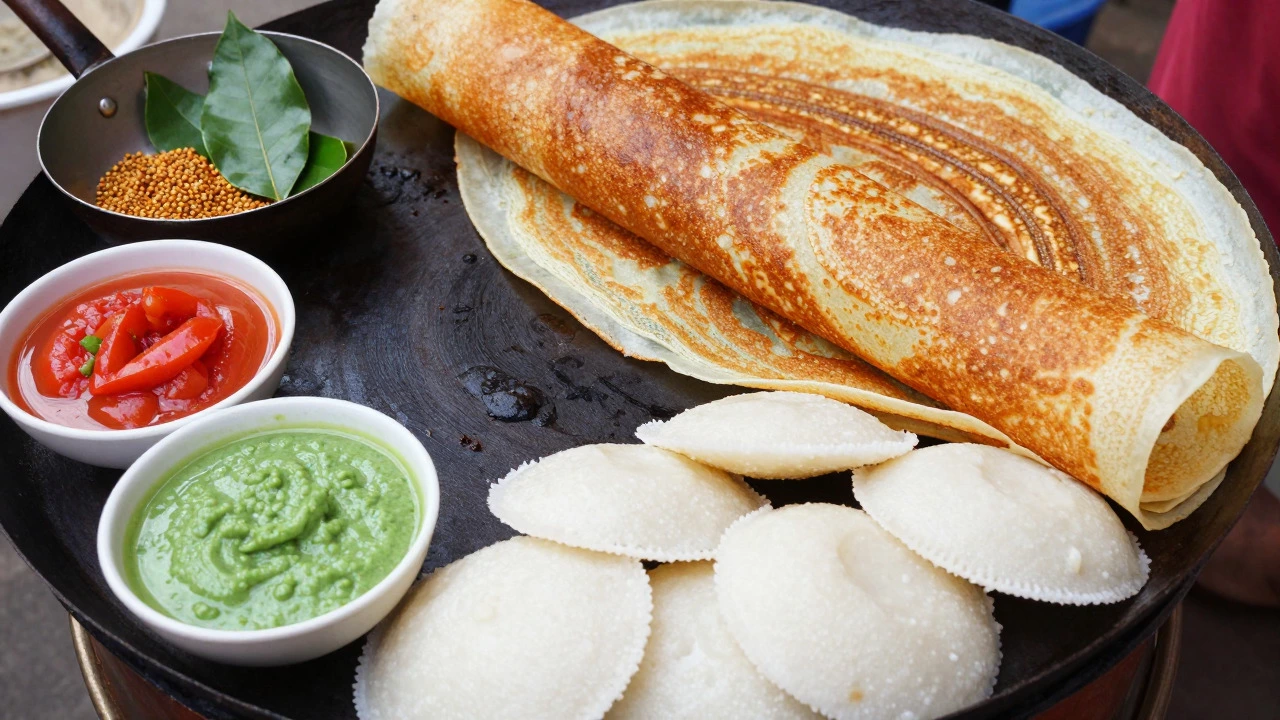
Move south, and the menu changes dramatically. Here, rice and lentils rule. Dosa is a thin, crispy crepe made from fermented batter of rice and urad dal (black gram). The fermentation process is crucial. It breaks down the starches, making the dish easier to digest, and creates a distinct sourness that balances the savory chutneys served alongside it.
Unlike the rich, dairy-heavy curries of the north, South Indian dishes like Idli (steamed rice cakes) and Vada (fried doughnuts) are lighter. They rely on the natural flavor of the ingredients rather than heavy spices. The taste here comes from the tempering-spices like mustard seeds, curry leaves, and dried red chilies fried in oil and poured over the dish. This technique, called "tadka," releases aromatic oils that define the flavor profile.
| Feature | North Indian | South Indian |
|---|---|---|
| Staple Grain | Wheat | Rice |
| Common Dairy | Milk, Cream, Ghee, Paneer | Curd, Coconut Milk |
| Spice Heat Level | Mild to Medium | Medium to High |
| Signature Dish | Butter Chicken | Dosa / Biryani |
The Aroma of Biryani: A Fragrant Feast
If you want to talk about complexity, Biryani is the heavyweight champion. Originating from the Persian word "biryan," meaning fried before cooking, this dish involves layering partially cooked rice with marinated meat (or vegetables) and slow-cooking them together sealed in a pot. This method, known as "dum," traps the steam and allows the flavors to meld perfectly.
Hyderabadi Biryani and Lucknowi Biryani are the two most famous styles. Hyderabadi versions are spicier and often include fried onions and boiled eggs, while Lucknowi biryani is milder and focuses on the aroma of saffron and rose water. The taste is defined by whole spices-cardamom, cloves, cinnamon, and bay leaves-that infuse the rice grains individually. When done right, each grain of rice is separate, flavorful, and fragrant.
Street Food Heroes: Chaat and Pani Puri
You cannot discuss the tastiest Indian food without mentioning street food. In Mumbai, where I live, the streets come alive with vendors selling Pani Puri. These are hollow, crispy shells filled with spiced potatoes, chickpeas, and tamarind chutney. The magic happens when you fill them with flavored water (pani) and eat them in one bite. The explosion of textures-crunchy shell, soft filling, liquid spice-is unmatched.
Another favorite is Samosa. Deep-fried pastry triangles stuffed with spiced potatoes and peas. They are simple, cheap, and addictive. The secret to a great samosa is the potato mixture, which must be well-spiced with cumin, amchur (dry mango powder), and green chilies to cut through the heaviness of the fried dough.
How to Make Authentic Tastes at Home
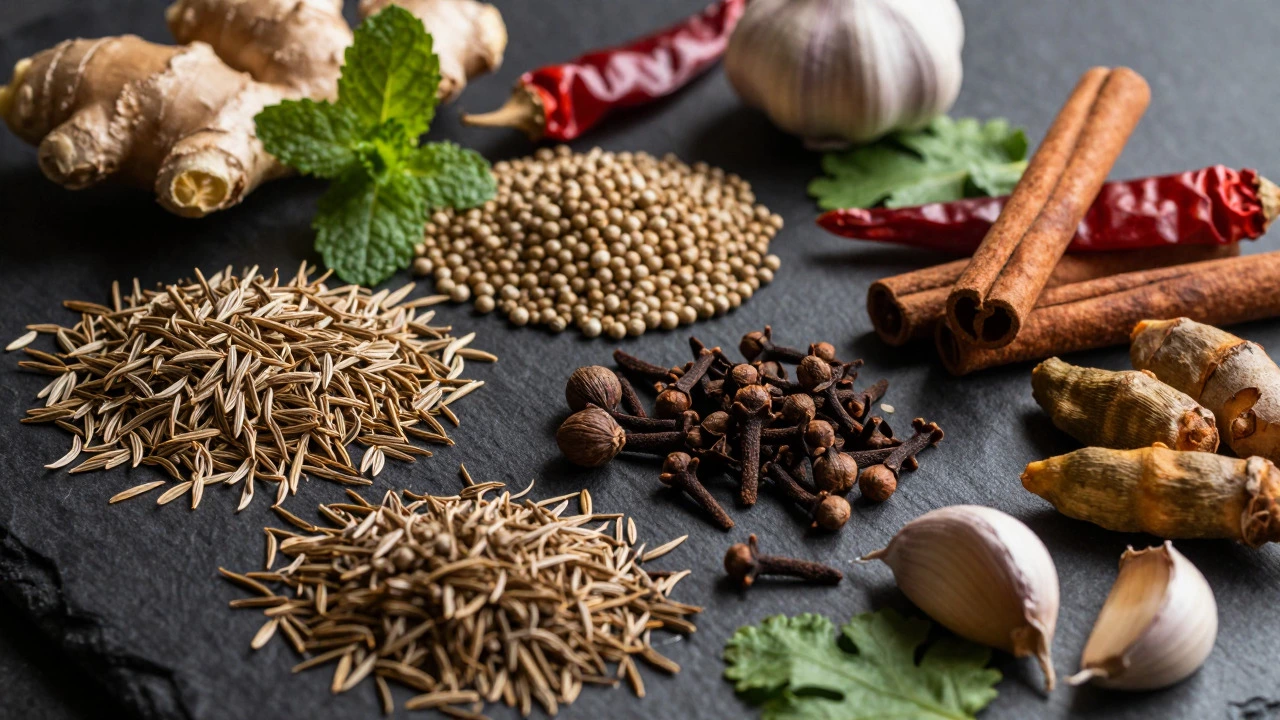
You do need a restaurant kitchen to make these dishes. You do need fresh spices. Pre-ground spices lose their potency quickly. If you want the true taste of Indian food, buy whole spices and grind them yourself. Here is a quick guide to getting started.
- Toast Your Spices: Before grinding, dry roast cumin, coriander, and fennel seeds in a pan until fragrant. This wakes up the essential oils.
- Use Fresh Ginger and Garlic: Paste made from fresh roots tastes infinitely better than jarred paste. Blend them with a little water for easy storage.
- Layer Your Onions: For curries, fry onions until deep brown. This adds color and a caramelized sweetness that balances the heat.
- Finish with Fresh Herbs: Garnish with cilantro (coriander leaves) or mint. These add a bright, fresh note that lifts the heavy spices.
Understanding Spice Levels
A common misconception is that all Indian food is extremely spicy. While chili peppers are used, they are not the only source of heat. Black pepper, ginger, and garlic also contribute to the "heat." However, many dishes are designed to be mild. The "spice" often refers to the variety of spices used, not just the heat level.
If you are sensitive to heat, start with dishes like Palak Paneer (spinach with cheese cubes) or Korma (nut-based gravy). Avoid dishes with "Mirchi" (chili) in the name if you want to keep things mild. Always ask for "medium" or "mild" when ordering out, as default levels in restaurants can be quite high.
What is the most famous Indian dish worldwide?
Butter Chicken (Murgh Makhani) is widely considered the most famous Indian dish globally due to its mild, creamy flavor profile that appeals to international palates.
Is Indian food healthy?
Yes, traditional Indian food can be very healthy. Many dishes are vegetarian, packed with legumes, vegetables, and spices with anti-inflammatory properties. However, restaurant versions often contain excess oil and salt.
What makes Indian food taste so unique?
The unique taste comes from the complex blend of whole spices, the technique of tempering (tadka), and the balance of multiple flavor profiles including sweet, sour, salty, and bitter.
Which Indian dish is best for beginners?
Beginners should try Dal Tadki (lentils tempered with spices) or Vegetable Biryani. These dishes are flavorful but generally less oily and spicy than meat curries.
Can I make Indian food without exotic ingredients?
You can make simple versions using basic spices like cumin, turmeric, and coriander. However, for authentic taste, ingredients like garam masala, cardamom, and asafoetida (hing) are highly recommended.