What Does Breakfast Look Like in India? A Regional Guide to Quick Morning Meals
 Jul, 31 2026
Indian Breakfast Matchmaker
What's your situation?
Select your time and region to discover the perfect breakfast match.
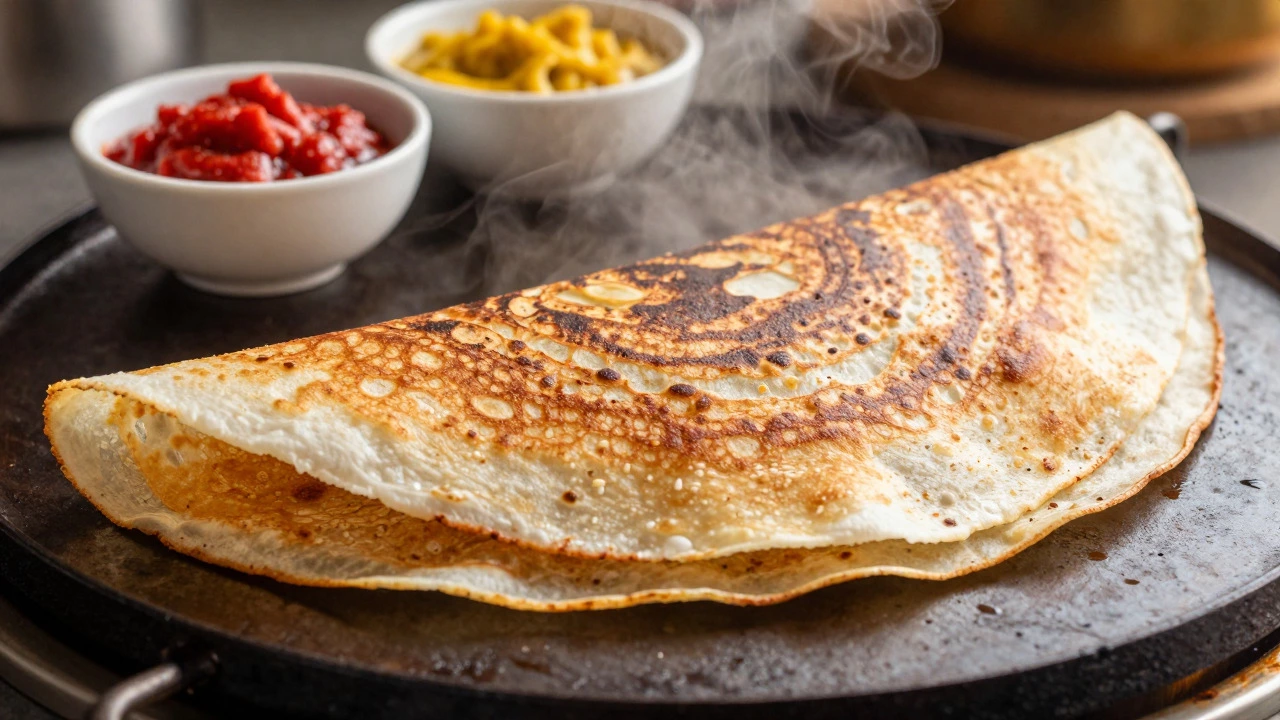
Breakfast in India is not a single dish; it is a conversation. If you walk into a home in Mumbai at 7:00 AM, you might smell the sharp tang of fermented batter frying into a crisp Dosa, a thin crepe made from rice and lentil batter that is crispy on the outside and soft on the inside. Step across the border into Punjab, and the air fills with the aroma of ghee-roasted wheat flour dough stuffed with spiced potatoes. Travel further south to Kerala, and you’ll find steamed rice cakes served with coconut milk. The question "what does breakfast look like in India?" has no one answer because the country’s geography, climate, and agriculture dictate what ends up on your plate.
For many Indians, especially those living in bustling cities like Mumbai or Delhi, time is the biggest constraint. You don’t always have an hour to knead dough or ferment batter overnight. This reality has shaped a cuisine that balances deep tradition with speed. Whether you are looking for a 5-minute microwave hack or a traditional recipe that can be prepped ahead, Indian breakfast offers something for every schedule. Here is how the morning meal varies across the subcontinent and how you can make these dishes quickly without losing their soul.
The North: Wheat, Ghee, and Heartiness
In Northern India, breakfast is heavy, warm, and designed to keep you full until lunch. The staple here is wheat flour (Atta, whole wheat flour commonly used in Indian breads like roti and naan). Unlike the rice-dominated diets of the south, northern mornings revolve around flatbreads cooked on a hot griddle called a Tawa, a flat, circular cooking pan used extensively in Indian households for making flatbreads and pancakes.
The king of this region is the Paratha, a layered flatbread often stuffed with spiced potatoes, paneer (cottage cheese), or cauliflower.. A plain paratha takes about 10 minutes to make if you have the dough ready. For a quicker version, people often use store-bought frozen parathas, which just need heating in a pan with a little oil. Another popular option is Poha, flattened rice flakes sautéed with turmeric, mustard seeds, curry leaves, and onions. Poha is essentially the Indian equivalent of oatmeal but savory. It cooks in five minutes, requires no fermentation, and is incredibly light on the stomach. In colder months, you might also see Chole Bhature, spicy chickpea curry served with deep-fried fluffy bread, though this is more of a weekend treat than a daily quick fix due to the effort involved in frying the bhature.
The South: Fermentation and Rice Crepes
Move south, and the menu shifts dramatically from wheat to rice and lentils. The cornerstone of South Indian breakfast is fermentation. Households maintain a culture of Idli Dosa Batter, a mixture of soaked rice and urad dal (black gram) that ferments overnight to become light and airy. This batter is versatile. Spread thin, it becomes a dosa. Steamed in molds, it becomes an Idli, a soft, spongy steamed cake made from fermented rice and lentil batter.
While traditional idlis require steaming equipment and time, the dosa is faster if you have leftover batter. However, what if you don’t have fermented batter? That’s where modern convenience steps in. Instant mixes for dosa and idli are widely available in supermarkets. You simply add water, let it sit for 30 minutes, and cook. Another quick favorite is Upma, a savory porridge made from semolina (rava) cooked with vegetables and tempered spices. Semolina cooks in under 10 minutes. You temper mustard seeds, cumin, and dried red chilies in oil, add chopped carrots and peas, pour in boiling water mixed with semolina, and stir. It’s a complete meal in a bowl, requiring minimal cleanup.
The West: Spices, Fritters, and Street Food Culture
Maharashtra and Gujarat bring a different flavor profile to the table. In Mumbai, breakfast is often influenced by street food culture. Vada Pav, a spicy potato fritter sandwiched in a bread bun with chutneys, considered the street food icon of Mumbai is technically a snack but serves as breakfast for millions of commuters. It’s fast, cheap, and energizing. At home, however, things are slightly more structured. Modak, steamed dumplings filled with sweet coconut and jaggery mixture, popular in Maharashtra is a festive favorite, but daily breakfast might include Thepla, a thin, unleavened flatbread flavored with fenugreek leaves, turmeric, and chili.
Thepla is excellent for quick mornings because it stores well. You can make a batch on Sunday, refrigerate it, and roll it out in seconds during the week. It pairs perfectly with yogurt or pickle. In Gujarat, breakfast is often vegetarian and slightly sweet or tangy. Khandvi, soft, savory rolls made from gram flour batter, tempered with mustard seeds and curry leaves is a delicacy, but again, not a weekday quick fix. For speed, Gujaratis might opt for Dhokla, a steamed savory cake made from fermented gram flour or rice batter, known for its spongy texture, which can be bought fresh from local vendors who steam it throughout the morning.
The East: Fish, Rice, and Sweetness
In Bengal and Odisha, breakfast is lighter and often includes fish. Poothi, a steamed rice pancake common in Odisha, often served with fish curry is a staple. In Bengal, you might find Luchi, deep-fried puffed bread made from refined flour, typically eaten with potato curry or simple white rice with Ilish Machh, Hilsa fish, a prized delicacy in Bengali cuisine often prepared in mustard sauce. While fish preparation takes time, the rice component is quick. Many urban Bengalis now opt for Chingri Puri, prawn curry served with fried bread, a rich and indulgent breakfast option only on special occasions. For everyday quick meals, Singara, a triangular pastry filled with spiced potatoes and peas, similar to samosas are bought from street vendors. They are crunchy, filling, and require zero cooking at home.
Modern Hacks for Quick Indian Breakfasts
You don’t need to be a chef to eat authentic Indian breakfast quickly. Here are practical strategies used by busy professionals in India:
- Batch Cooking Parathas: Make 10-12 plain or stuffed parathas on Sunday. Store them in the fridge. In the morning, heat one in a pan for 2 minutes per side. It tastes freshly made.
- Instant Rava Upma Mix: Keep a jar of dry rava (semolina) tempered with spices. Just add boiling water and cover for 5 minutes. Add chopped veggies for nutrition.
- Frozen Idli/Dosa: Buy high-quality frozen idlis or dosas. Steam the idlis in a microwave-safe bowl with a splash of water for 90 seconds. Pan-fry the dosa for 1 minute per side.
- Overnight Oats with Chai: A fusion approach. Soak oats with milk, chia seeds, and a pinch of cardamom overnight. Top with nuts and serve with strong masala chai.
- Pre-soaked Lentils: For a quick khichdi (rice and lentil porridge), soak moong dal and rice together. Pressure cook for 2 whistles. It’s digestible and ready in 15 minutes.
Nutritional Balance in Traditional Mornings
Traditional Indian breakfasts are surprisingly balanced. A typical combination includes carbohydrates (rice/wheat), protein (lentils/yogurt), and healthy fats (ghee/coconut). For example, Idli is low in fat and high in carbs, so it is paired with Sambar (lentil vegetable stew) for protein and fiber. Parathas are calorie-dense, so they are eaten with curd (yogurt) to aid digestion and provide probiotics. When rushing, it’s easy to skip the protein component. To maintain health, always pair your quick carb-heavy breakfast with a source of protein-whether it’s a glass of buttermilk, a handful of nuts, or a boiled egg if you are non-vegetarian.
| Dish | Region | Prep Time | Key Ingredients | Best For |
|---|---|---|---|---|
| Poha | North/West | 5 mins | Flattened rice, spices | Light, quick meal |
| Paratha | North | 10-15 mins | Wheat flour, stuffing | Heavy, energy needs |
| Dosa | South | 5 mins (if batter ready) | Rice, lentil batter | Crispy, fermented food lovers |
| Upma | South | 10 mins | Semolina, vegetables | Comfort, warmth |
| Vada Pav | West | Buy ready | Potato, bread, chutney | On-the-go commuters |
Common Mistakes to Avoid
When trying to replicate Indian breakfast at home, especially if you are new to the cuisine, avoid these pitfalls:
- Overcooking Poha: Flattened rice gets soggy if you add too much water or cook it too long. Sauté on medium heat and remove immediately after it turns translucent.
- Cold Batter for Dosa: Ensure your dosa batter is at room temperature before cooking. Cold batter spreads unevenly and results in a thick, chewy dosa instead of a crispy one.
- Skipping Tempering: The flavor of Upma or Poha comes from the initial tempering (tadka) of mustard seeds and curry leaves. Don’t rush this step; it infuses the entire dish with aroma.
- Using Low-Quality Ghee: For parathas, the quality of ghee matters. Pure cow ghee provides the distinct aroma and flaky layers that butter cannot replicate.
Final Thoughts on Morning Rituals
Breakfast in India is deeply personal. It reflects your region, your family’s traditions, and your daily pace. Whether you are enjoying a quiet cup of tea with a soft idli or grabbing a vada pav on your way to the metro, the goal is the same: fueling the day with familiar, comforting flavors. By understanding the core ingredients and techniques, you can adapt these recipes to fit your lifestyle. You don’t need hours; you just need the right approach.
What is the most common breakfast in India?
There is no single most common breakfast due to regional diversity. However, Paratha (in the North), Idli/Dosa (in the South), and Poha/Upma (across regions) are among the most widely consumed daily meals.
Can I make Indian breakfast in under 10 minutes?
Yes. Dishes like Poha, instant Rava Upma, or reheating pre-made Parathas can be prepared in under 10 minutes. Using frozen idlis or dosas also allows for a quick 5-minute meal.
Is Indian breakfast healthy?
Traditional Indian breakfasts are generally healthy, offering a balance of carbs, proteins, and fibers. Fermented foods like idli and dosa aid digestion. However, deep-fried items like puri or vada should be consumed in moderation.
What do Indians drink with breakfast?
Masala Chai (spiced tea) is the universal companion to Indian breakfast. Buttermilk (Chaas) is also popular, especially with heavier meals like parathas, to aid digestion.
Do Indians eat eggs for breakfast?
Non-vegetarian Indians often eat boiled or scrambled eggs with toast or parathas. However, a significant portion of the population is vegetarian, relying on lentils, dairy, and nuts for protein.