What Is Warriors Breakfast? High-Energy Indian Morning Meals for Strength
 Jul, 28 2026
Warrior's Breakfast Builder
Select ingredients from traditional Indian kitchens to create a balanced meal.
Nutritional Analysis
Select ingredients to see your warrior score.
You wake up feeling heavy. Your mind is foggy, and your body feels like it’s dragging through mud before you’ve even stepped out of bed. You grab a quick sugary pastry or a bowl of plain cereal because you’re in a rush. By 10 AM, you’re crashing. This isn’t just bad luck; it’s bad fuel. In ancient India, warriors didn’t start their day with empty calories. They started with power. The concept of a warriors breakfast isn’t about eating massive amounts of food-it’s about strategic nutrition that builds resilience, sustains energy, and sharpens focus.
Today, we don’t carry swords or ride horses into battle, but our daily battles are just as demanding. We have back-to-back meetings, long commutes, and the constant ping of notifications. If you want to perform at your peak, you need to rethink what lands on your plate between 6 AM and 9 AM. Let’s break down what this means in the context of an Indian kitchen, using ingredients you likely already have.
The Core Principles of a Warrior’s Plate
A warrior’s diet was never random. It was calculated. In the tradition of Ayurveda, an ancient Indian system of medicine that focuses on balance between body, mind, and spirit, food is medicine. A true warriors breakfast follows three non-negotiable rules: high protein, healthy fats, and complex carbohydrates.
Why these three? Protein repairs muscle tissue damaged during sleep and keeps you full. Healthy fats provide slow-burning fuel for your brain-your most energy-hungry organ. Complex carbs offer steady glucose release, preventing the spike-and-crash cycle caused by refined sugars. When you mix these correctly, you create a metabolic state where you feel alert without being jittery, and full without being sluggish.
- Protein Priority: Aim for at least 20-30 grams of protein in your first meal. This signals your body to preserve muscle mass.
- Fat for Focus: Include sources like ghee, nuts, or seeds. These support cognitive function and hormone production.
- Fiber for Stability: Whole grains and vegetables slow down digestion, keeping blood sugar stable for hours.
If your current breakfast is mostly carbs (like white bread toast or plain idli) with little protein or fat, you’re essentially running a high-performance car on low-grade fuel. No wonder you stall by mid-morning.
Traditional Indian Ingredients That Build Strength
You don’t need imported superfoods to eat like a warrior. Indian cuisine is rich in nutrient-dense staples that have sustained generations of laborers, soldiers, and athletes. Let’s look at the key players in this nutritional arsenal.
| Ingredient | Primary Benefit | Warrior Application |
|---|---|---|
| Moong Dal (Yellow Lentils) | High protein, easy digestion | Base for dals and chillas; provides amino acids for muscle repair. |
| Ghee (Clarified Butter) | Healthy saturated fats, Vitamin A/D/E/K | Added to hot water or meals for joint health and sustained energy. |
| Almonds & Walnuts | Omega-3 fatty acids, antioxidants | Brain food; improves memory and reduces inflammation. |
| Oats (Rolled) | Beta-glucan fiber | Lowers cholesterol and provides slow-release energy. |
| Eggs | Complete protein, Choline | Essential for liver health and neurotransmitter function. |
Notice how these ingredients overlap. Moong dal gives you protein, but when you make a Cheela (a savory pancake made from lentil batter) with spinach and serve it with a spoonful of ghee, you’ve created a complete macro-nutrient profile. This synergy is what makes traditional Indian cooking so effective. You aren’t just eating ingredients; you’re eating combinations designed for absorption and impact.
Top 5 Warriors Breakfast Recipes for Busy Mornings
You might think eating well takes hours. It doesn’t. Here are five recipes that fit the warriors criteria-high protein, good fats, complex carbs-and can be prepared in under 15 minutes.
1. Masala Oats Upma
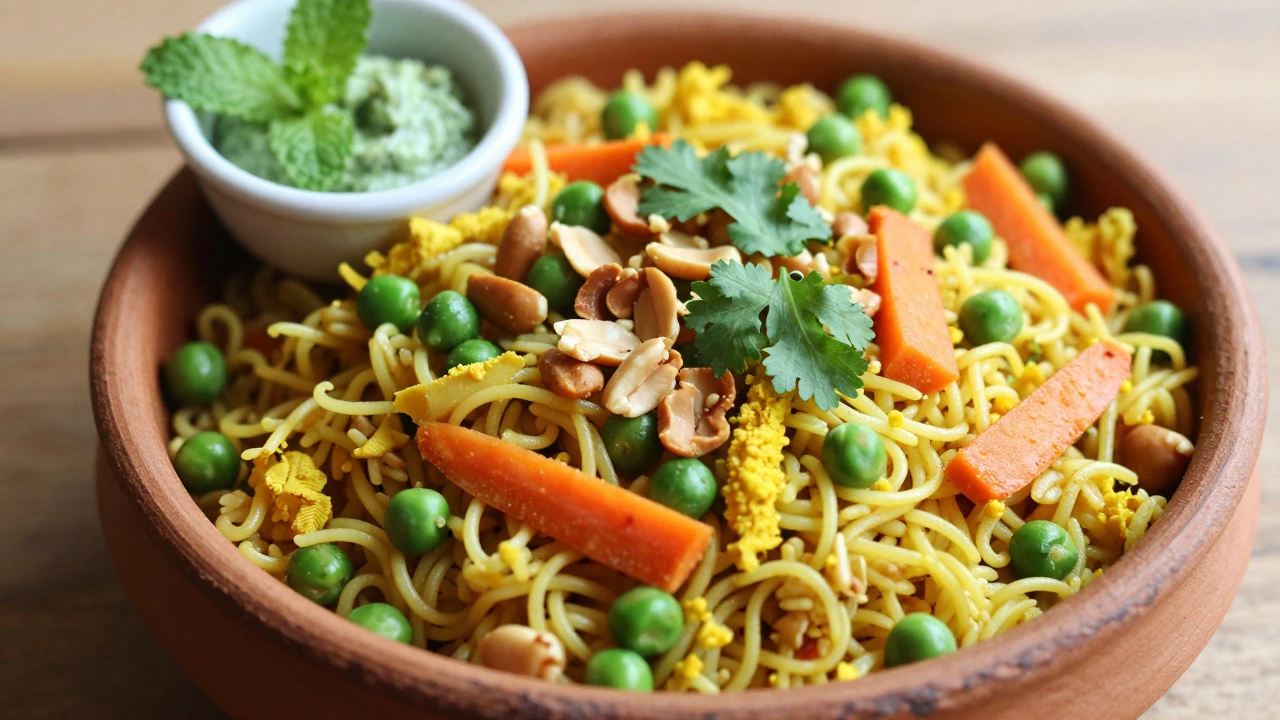
Forget the sweet oatmeal packets. Savory oats are the ultimate quick fix. Sauté mustard seeds, curry leaves, and chopped onions in a little ghee. Add peas, carrots, and turmeric. Stir in rolled oats and water. Cook until soft. Top with roasted peanuts and fresh coriander. The peanuts add crunch and extra protein, while the spices aid digestion. This meal keeps you full until lunch without making you sleepy.
2. Paneer Bhurji with Multigrain Toast
Paneer (Indian cottage cheese) is a calcium and protein powerhouse. Crumble half a block of paneer and sauté it with tomatoes, green chilies, ginger, and cumin seeds. Serve it on two slices of multigrain toast. The combination of casein protein from paneer and complex carbs from whole grains creates a very stable energy curve. Add a side of cucumber slices for hydration and volume.
3. Spinach and Moong Dal Cheela
Blend soaked moong dal with grated spinach, ginger, garlic, and salt. Pour the batter onto a hot tawa (griddle) and cook like a crepe. Use minimal oil or brush with ghee. One large cheela contains roughly 15 grams of protein and significant iron from the spinach. Iron is crucial for oxygen transport in the blood-essential for physical stamina. Dip it in mint chutney for a cooling effect and additional enzymes.
4. Egg Curry with Brown Rice Leftovers
If you ate brown rice last night, don’t throw it away. Scramble two eggs with turmeric and red chili powder. Mix them into a thin tomato-onion gravy. Heat up your leftover brown rice and mix it in. This is comfort food that works hard for your body. Eggs provide all nine essential amino acids, meaning your body gets everything it needs to build and repair tissues right after waking up.
5. Soaked Almond and Walnut Smoothie
For days when you truly have no time, blend soaked almonds, walnuts, a banana, and warm milk (dairy or almond). Add a teaspoon of flaxseeds. Drink it immediately. The soaking process neutralizes enzyme inhibitors in nuts, making nutrients more bioavailable. This liquid meal is dense in Omega-3s and healthy fats, perfect for mental clarity during a heavy workday.
The Role of Hydration and Timing
Eating the right food is only half the battle. How and when you consume it matters just as much. In Ayurveda, drinking warm water first thing in the morning is considered vital. It kickstarts your digestive fire, known as Agni. Cold water shocks the system and can constrict blood vessels, slowing down metabolism.
Try this routine: Wake up, drink one glass of warm water with a squeeze of lemon. Wait 15 minutes. Then eat your breakfast. This gap allows your stomach to prepare for digestion, ensuring better nutrient absorption. Also, avoid drinking large amounts of water *with* your meal, as it can dilute digestive enzymes. Sip if you must, but save the bulk of your hydration for between meals.
Timing also affects performance. Try to eat within an hour of waking up. Your cortisol levels are naturally higher in the morning, which helps mobilize energy. Eating during this window aligns with your body’s natural rhythm. Skipping breakfast forces your body to conserve energy, leading to fatigue later in the day.
Common Mistakes That Sabotage Your Energy
Even if you choose good ingredients, certain habits can undo the benefits. Here’s what to watch out for:
- The Sugar Trap: Adding sugar to your chai or coffee might give you a quick buzz, but it leads to a crash. Switch to jaggery or stevia, or better yet, enjoy black coffee or tea without sweeteners.
- Processed Grains: White bread, maida-based parathas, and instant noodles digest too quickly. They spike insulin and leave you hungry again in two hours. Stick to whole wheat, oats, millets, or rice.
- Ignoring Veggies: Many Indian breakfasts are carb-heavy with little vegetable content. Always add something green-spinach in cheelas, onions in upma, or cucumber on the side. Fiber slows sugar absorption and feeds your gut bacteria.
- Rushing Through Meals: Digestion begins in the mouth. Chewing thoroughly breaks down food mechanically and mixes it with saliva, which contains digestive enzymes. Rushing leads to bloating and poor nutrient uptake.
Another subtle mistake is relying solely on dairy for protein. While curd and paneer are great, they can be heavy for some people, especially in humid climates like Bengaluru. Balance dairy with plant proteins like lentils and beans to keep digestion light and efficient.

Adapting to Modern Lifestyles
We live in a world of convenience, and sometimes traditional methods feel too slow. That’s okay. Adaptation is part of being a warrior. If you can’t cook from scratch every day, prep ahead. Soak lentils the night before. Chop vegetables on Sunday. Keep frozen portions of dal or sabzi ready to reheat.
Also, consider your activity level. If you have a sedentary job, you might not need as many carbs as someone who exercises heavily. Adjust portion sizes accordingly. A software engineer sitting at a desk all day needs less caloric density than a delivery rider navigating traffic. Listen to your body. If you feel tired after eating, you probably had too many carbs or not enough protein/fat. If you feel light-headed, you might need more calories overall.
Remember, consistency beats perfection. You don’t need to eat like a king every single day. Just aim for the core principles: protein, healthy fats, and whole foods. Over time, small changes compound into significant improvements in energy, mood, and physical strength.
Building Long-Term Resilience
A warriors breakfast isn’t just about surviving the morning. It’s about building long-term health. Chronic inflammation, often caused by poor diet, is linked to numerous diseases including heart disease, diabetes, and autoimmune disorders. By choosing anti-inflammatory foods like turmeric, ginger, nuts, and leafy greens, you’re investing in your future self.
Think of your body as a temple. You wouldn’t dump trash in a sacred space. Similarly, treat your body with respect by feeding it quality nourishment. Start small. Replace one sugary habit with a nutritious alternative. Notice how you feel after a week. Most people report better sleep, clearer skin, and improved concentration within just a few days of switching to a high-protein, whole-food breakfast.
The path to strength starts with the first bite. Make it count.
Is a warriors breakfast suitable for vegetarians?
Absolutely. Indian vegetarian cuisine is rich in high-quality plant proteins. Lentils (dal), chickpeas, paneer, tofu, quinoa, and nuts provide ample protein. Combining grains with legumes (like rice and dal) creates a complete amino acid profile, ensuring you get all essential nutrients without meat.
How much protein should I aim for in my breakfast?
Aim for 20-30 grams of protein per serving. This amount is sufficient to trigger muscle protein synthesis and keep you satiated for several hours. For example, two eggs plus a slice of whole-grain toast with avocado can easily hit this target.
Can I eat a warriors breakfast if I have diabetes?
Yes, but focus on low-glycemic index foods. Avoid refined flour (maida) and added sugars. Opt for millets, oats, and plenty of vegetables. Pair carbs with protein and fat to slow down glucose absorption. Consult your doctor or dietitian for personalized advice.
What is the best time to eat breakfast?
Ideally, within 60 minutes of waking up. This aligns with your body’s natural circadian rhythm and cortisol spike, optimizing energy utilization. However, listen to your hunger cues. If you’re not hungry immediately, wait until you are, but try not to skip the meal entirely.
Are there any specific spices recommended for a warriors breakfast?
Turmeric, ginger, cumin, and black pepper are highly beneficial. Turmeric has anti-inflammatory properties, ginger aids digestion, cumin supports gut health, and black pepper enhances nutrient absorption, particularly of curcumin from turmeric. Incorporate these into your dishes regularly.