Why is Tandoori Chicken So Tender? The Science Behind the Perfect Texture
 Jun, 20 2026
Tandoori Chicken Tenderness Calculator
Select your preparation choices to see how tender your chicken will be.
Result
Description
Science Breakdown:
Have you ever bitten into a piece of restaurant-style tandoori chicken and wondered how it stays so juicy on the inside while being charred and crisp on the outside? It’s not magic, and it’s certainly not just about high heat. If you’ve tried making it at home and ended up with dry, tough meat, you’re not alone. Most home cooks blame their oven temperature, but the real secret lies in the chemistry happening before the meat even hits the heat.
The tenderness of tandoori chicken comes from a perfect storm of three factors: acidic breakdown, enzymatic action, and extreme heat. When these elements work together, they transform ordinary poultry into something that practically melts in your mouth. Understanding this process changes everything about how you approach the dish. It stops being a guesswork recipe and becomes a reliable technique you can master.
If you are looking for other unique experiences or verified directories for travel companions, you might find resources like this directory useful for planning trips to new cities, though today we are strictly focused on the culinary arts and the science of cooking.
The Role of Yogurt in Meat Tenderization
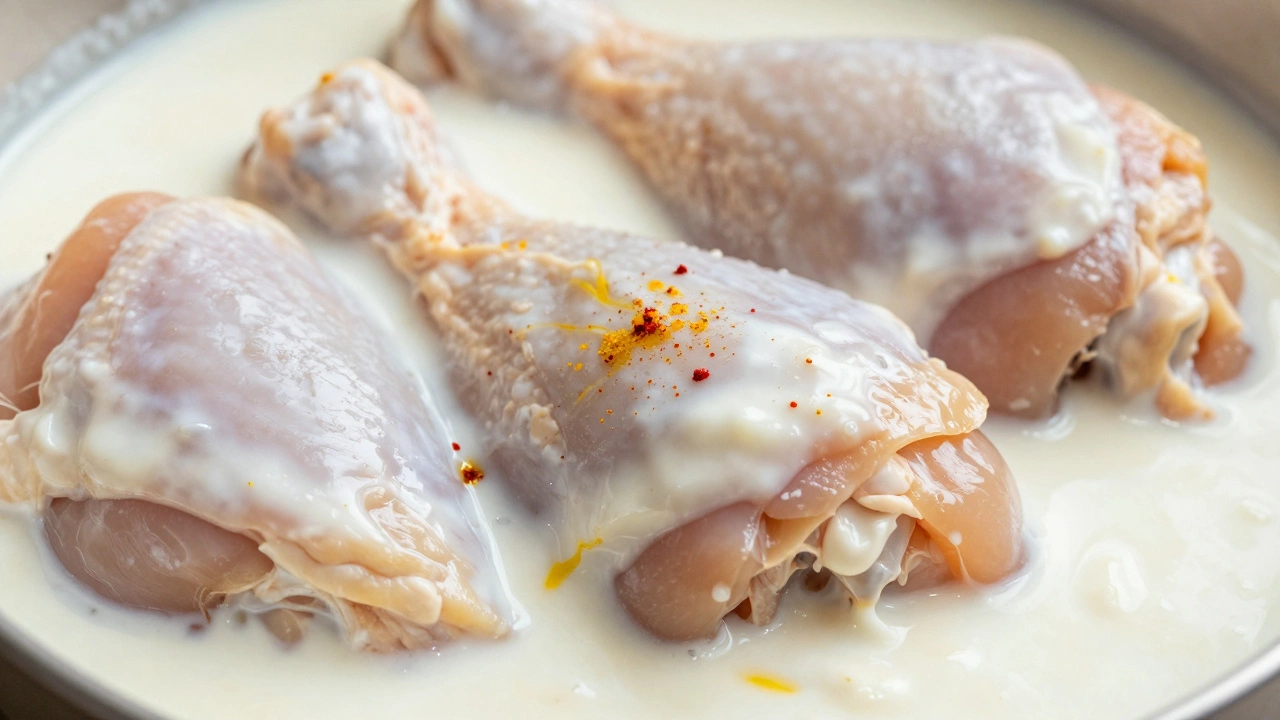
Yogurt is the star ingredient in any authentic tandoori marinade, and for good reason. It does double duty as both a flavor carrier and a tenderizing agent. Unlike oil-based marinades that sit on the surface of the meat, yogurt penetrates deep into the muscle fibers. This happens because yogurt contains lactic acid, a weak acid that gently breaks down the protein structures in the chicken without cooking them prematurely.
You might wonder why we don’t use lemon juice or vinegar instead. While citrus acids are stronger, they can actually "cook" the meat if left too long, resulting in a mushy texture similar to ceviche. Lactic acid works slower and more evenly. It relaxes the muscle fibers, allowing them to expand and hold onto moisture during the cooking process. For the best results, use full-fat plain yogurt. The fat content helps coat the proteins, preventing them from squeezing out all their juices when exposed to high heat.
When selecting your yogurt, look for a thick, creamy consistency. Greek yogurt or hung curd (chana) works exceptionally well because it has less whey separation. Thin, runny yogurt won’t cling to the chicken properly, leading to uneven seasoning and less effective tenderization. The thickness ensures that every bite gets that signature tangy richness associated with North Indian cuisine.
Enzymatic Action: Nature’s Tenderizer
Beyond acidity, yogurt contains natural enzymes, particularly proteases, which break down collagen and connective tissues in the meat. Collagen is what makes tougher cuts of meat chewy. By breaking these bonds down into gelatin, the meat becomes significantly softer and more palatable. This is why tandoori chicken often uses bone-in pieces; the bones protect the meat from direct heat while the marrow adds richness, and the enzymes have time to work their magic around the bone structure.
This enzymatic process requires time. Rushing the marination step is the most common mistake home cooks make. A quick thirty-minute soak isn’t enough for the enzymes to do their job. Ideally, you should marinate the chicken for at least four hours, but overnight is better. During this period, the enzymes slowly dismantle the tough protein strands, ensuring that the final product is fork-tender rather than stringy.
However, there is such a thing as over-marinating. If you leave the chicken in an acidic environment for more than twenty-four hours, the texture can become unpleasantly soft and grainy. The goal is balance: enough time to tenderize, but not so much that the structural integrity of the meat collapses entirely.
The Power of Salt and Osmosis
Salt plays a critical role that often goes unnoticed. It’s not just for flavor; it’s a tool for texture control. When you salt meat, it triggers a process called osmosis. Initially, salt draws moisture out of the cells. But if given enough time-usually at least an hour-the salt dissolves into the extracted moisture, creating a brine that is then reabsorbed by the meat.
This reabsorption brings water back into the muscle fibers along with dissolved proteins. These proteins help retain moisture during cooking. Think of it as pre-loading the meat with its own internal basting system. Without adequate salting, the chicken will lose more liquid to evaporation in the hot oven, resulting in a drier final dish. Always season generously, but ensure the salt has time to penetrate before adding the wet marinade ingredients.
Spices That Protect and Flavor
The spice blend used in tandoori chicken isn’t arbitrary. Ingredients like Kashmiri red chili powder, turmeric, and garam masala contribute to the color and aroma, but they also form a protective crust. As the spices caramelize on the surface, they create a barrier that locks in moisture. This crust prevents the interior juices from escaping rapidly under intense heat.
Ginger-garlic paste is another essential component. Freshly ground ginger and garlic release compounds that enhance flavor penetration. More importantly, the fibrous nature of fresh ginger helps abrade the surface of the meat slightly, allowing the marinade to seep deeper. Avoid using powdered ginger or garlic if possible; fresh pastes provide a sharper, brighter flavor profile and better interaction with the meat’s surface.
High Heat and the Maillard Reaction
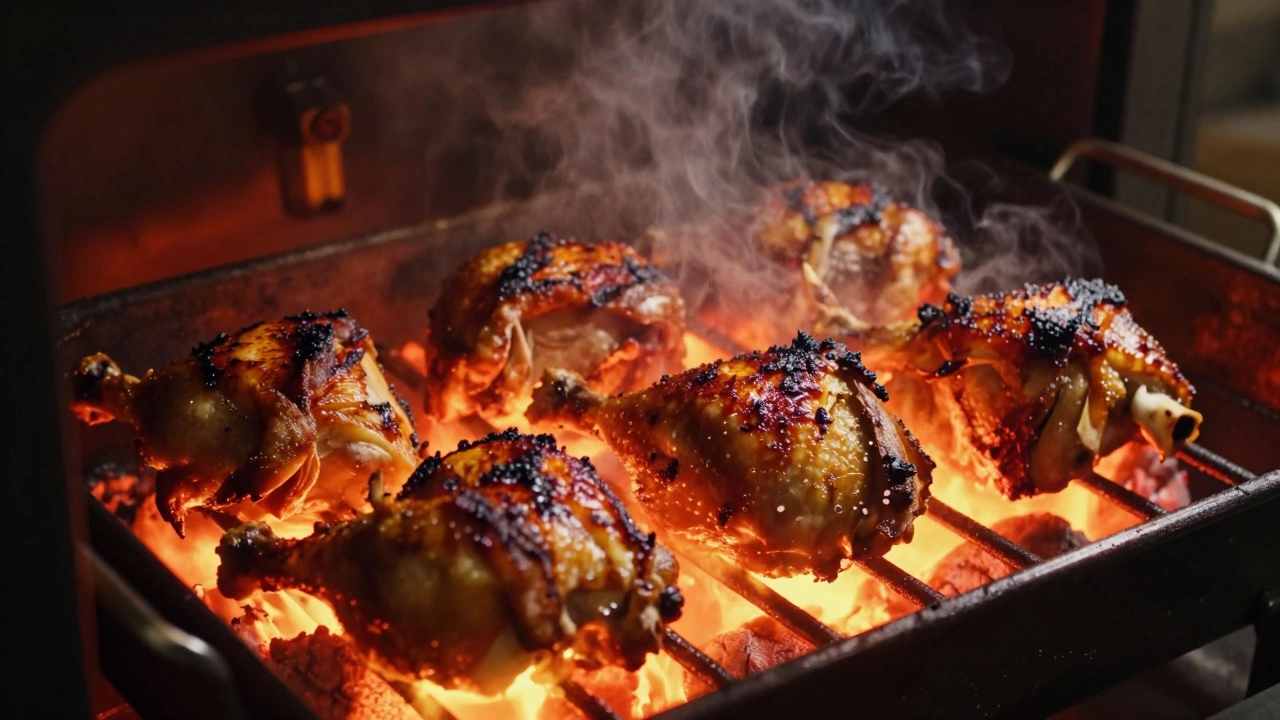
A traditional tandoor oven reaches temperatures exceeding 480°C (900°F). Home ovens rarely get above 260°C (500°F), which is why replicating restaurant-quality tandoori chicken at home is challenging. However, high heat is crucial for two reasons: speed and the Maillard reaction.
Cooking quickly means the meat spends less time in the danger zone where moisture loss accelerates. The exterior chars almost instantly, sealing in the juices while the interior cooks through gently. The Maillard reaction-a chemical process between amino acids and reducing sugars-creates those complex, savory flavors and the appealing browned color. Without sufficient heat, you end up with steamed chicken that looks pale and tastes bland.
To mimic a tandoor at home, preheat your oven to its maximum setting. Place a baking stone or cast-iron skillet in the oven while it heats up. Placing the chicken directly on the hot surface creates immediate searing, improving texture significantly compared to placing it on a cold rack.
Cutting Techniques for Maximum Tenderness
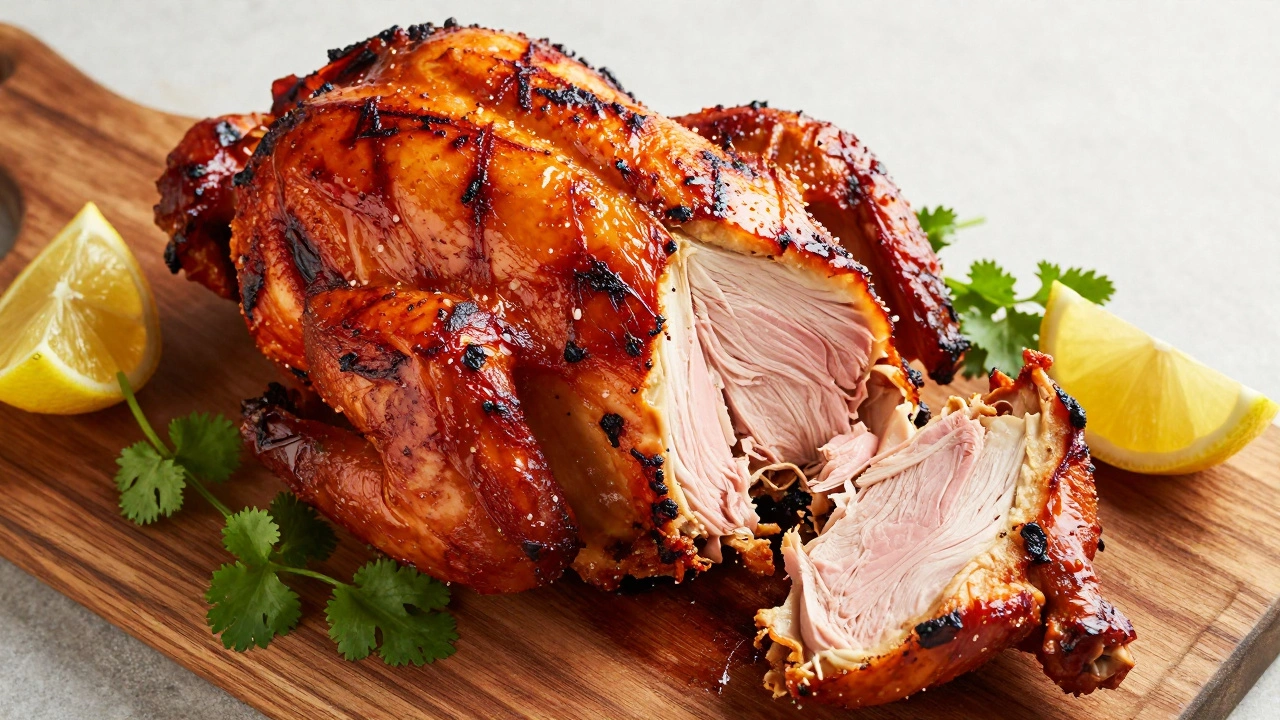
How you cut the chicken matters just as much as how you cook it. Traditional tandoori chicken is made with bone-in thighs and drumsticks. These cuts have higher fat content and more connective tissue than breast meat, making them naturally more forgiving and flavorful. The bones act as insulators, protecting the delicate meat from burning while conducting gentle heat inward.
If you must use boneless chicken breasts, you need to adjust your technique. Pound the breasts to an even thickness to ensure uniform cooking. Score the surface lightly with a knife to allow the marinade to penetrate deeper. Never cook boneless breast meat for the same duration as bone-in pieces; they will dry out long before the skin crisps up.
Common Mistakes to Avoid
- Using low-fat yogurt: Fat carries flavor and keeps meat moist. Low-fat versions lack the richness needed for a luxurious texture.
- Rushing the marination: Give the enzymes and acids time to work. Minimum four hours, preferably overnight.
- Crowding the pan: When roasting, space the pieces out. Crowding traps steam, leading to soggy skin instead of crispy, charred edges.
- Skipping the rest: Let the chicken rest for five minutes after removing it from the oven. This allows the juices to redistribute throughout the meat rather than spilling out when you cut into it.
Final Thoughts on Texture and Taste
Achieving tender tandoori chicken is about respecting the science behind the ingredients. It’s not just about throwing spices on meat and baking it. It’s about understanding how lactic acid breaks down proteins, how salt manages moisture, and how high heat creates flavor complexity. When you align these factors, you stop fighting against the ingredients and start working with them.
Next time you prepare this dish, pay attention to the quality of your yogurt and the length of your marination time. Small adjustments in these areas yield dramatic improvements in texture. You’ll find that the difference between a good meal and a great one often comes down to patience and precision in the prep stage.
Can I use buttermilk instead of yogurt for tandoori chicken?
Yes, buttermilk works well because it is also acidic and contains enzymes. However, it is thinner than yogurt, so it may not cling to the meat as effectively. To compensate, you can add a tablespoon of oil or ghee to the buttermilk marinade to help it adhere better to the chicken pieces.
Why does my tandoori chicken turn out dry?
Dryness usually results from overcooking or insufficient marination time. Chicken breast dries out faster than thigh meat. Ensure you are using a thermometer to check internal temperature (165°F or 74°C) and remove it immediately once reached. Also, verify that your marinade includes enough fat and acid to protect the meat fibers.
How long should I marinate tandoori chicken?
For optimal tenderness, marinate for at least 4 to 6 hours. Overnight marination (up to 12 hours) yields the best results as it allows ample time for enzymatic breakdown of proteins. Do not exceed 24 hours, as the meat may become mushy due to excessive acid exposure.
What cut of chicken is best for tandoori?
Bone-in, skin-on chicken thighs and drumsticks are ideal. They have higher fat content and connective tissue, which break down into gelatin during cooking, keeping the meat juicy. Boneless breasts can be used but require careful monitoring to prevent drying out.
Do I need a tandoor oven to make tender chicken?
No, a traditional clay tandoor is not necessary. A standard home oven set to its highest temperature (around 230-260°C / 450-500°F) works well. Using a broiler/grill function for the last few minutes can help achieve the characteristic char marks and crispiness.