Indian Food in November 2025: Healthy Bread, Gut-Friendly Chutney, and Smart Protein Choices
When you think about Indian food, a diverse, spice-driven culinary tradition from South Asia that includes regional dishes, cooking methods, and daily eating habits. Also known as South Asian cuisine, it's not just about curry—it’s about how ingredients work together to fuel your body, support digestion, and fit into real life. In November 2025, the conversations around Indian food weren’t about fancy plating or exotic ingredients. They were practical: Is your naan helping or hurting your goals? Can that chutney actually fix your digestion? Which protein—paneer or tofu—really keeps you full longer?
These questions point to bigger patterns. Gut health, the balance of bacteria in your digestive system that affects everything from immunity to mood. Also known as digestive wellness, it’s no longer just a buzzword—it’s a daily choice. Homemade fermented chutney, made with fresh herbs and spices, became a quiet hero. Store-bought versions? Mostly sugar and preservatives. But when you make your own, you’re adding live cultures that help your gut thrive. Then there’s paneer, a fresh, unaged Indian cheese made by curdling milk with acid, commonly used in vegetarian dishes. Also known as Indian cottage cheese, it’s a high-protein staple that many use to replace meat. But is it better than tofu for weight loss? The answer isn’t simple—it depends on your body, your goals, and how you cook it. And then there’s the bread. Naan, a soft, leavened flatbread baked in a tandoor or on a stovetop, often made with refined flour and ghee. Also known as Indian flatbread, it’s delicious—but not all versions are created equal. Whole wheat, homemade naan? A totally different story. It’s fiber-rich, filling, and fits into a balanced meal. Refined flour and butter? That’s just empty calories in disguise.
It’s not just about what you eat—it’s about how you make it fast. Quick cooking dal, lentils that don’t need soaking and cook in under 30 minutes, perfect for busy weeknights. Also known as no-soak lentils, they’re the secret weapon for anyone who wants real nutrition without the wait. Yellow moong dal is the star here, but others like masoor dal and split urad dal also skip the soak. And when you pair that with a protein-rich side, like paneer or tofu, and top it with fresh cilantro or curry leaves, you’ve got a complete, satisfying meal without any fancy tools or hours of prep.
What you’ll find below isn’t a list of recipes. It’s a collection of real, tested answers to the questions you actually ask in your kitchen. How do I make paneer that doesn’t crumble? Which herbs make curry taste like it came from a home kitchen, not a restaurant? Can I eat naan and still lose weight? These aren’t theoretical questions. They’re the ones people are asking right now—and the posts here give straight, no-fluff answers.
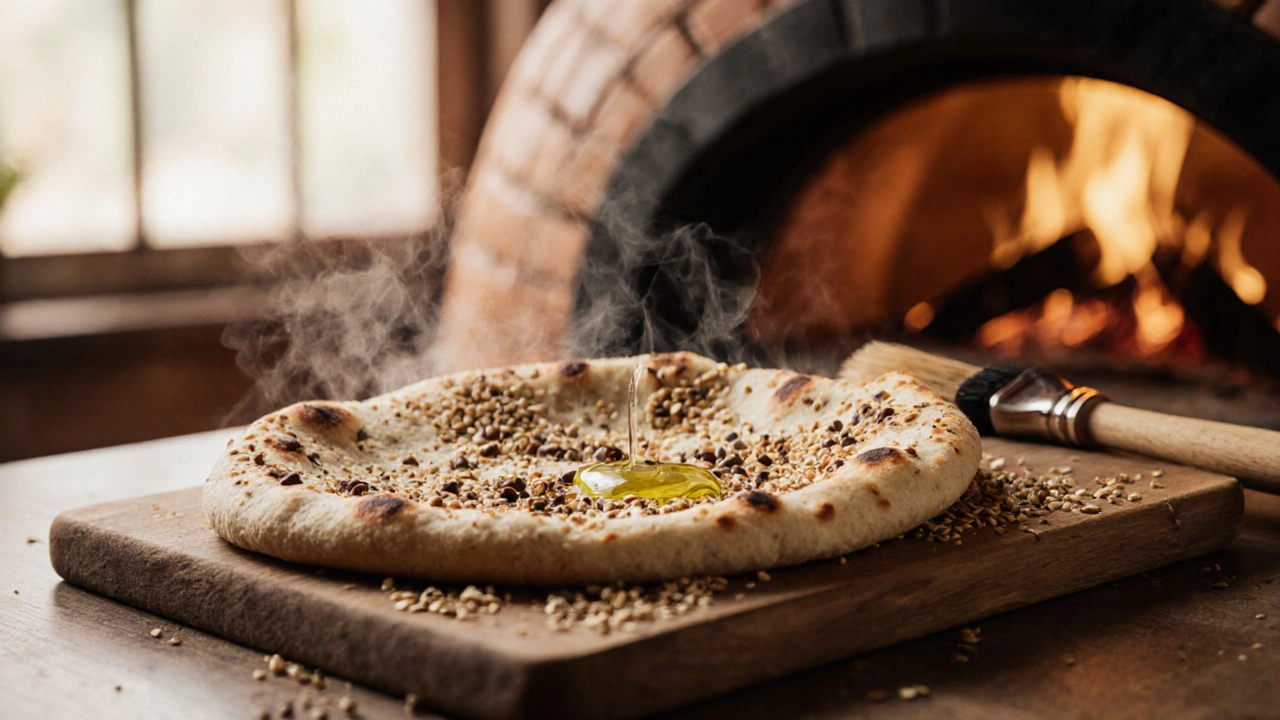
Is Naan Healthy? What You Need to Know About This Popular Indian Bread
Is naan healthy? It depends on how it's made. Refined flour and butter make it high in calories and low in fiber, but whole wheat, homemade naan can fit into a balanced diet. Learn how to eat it smarter.
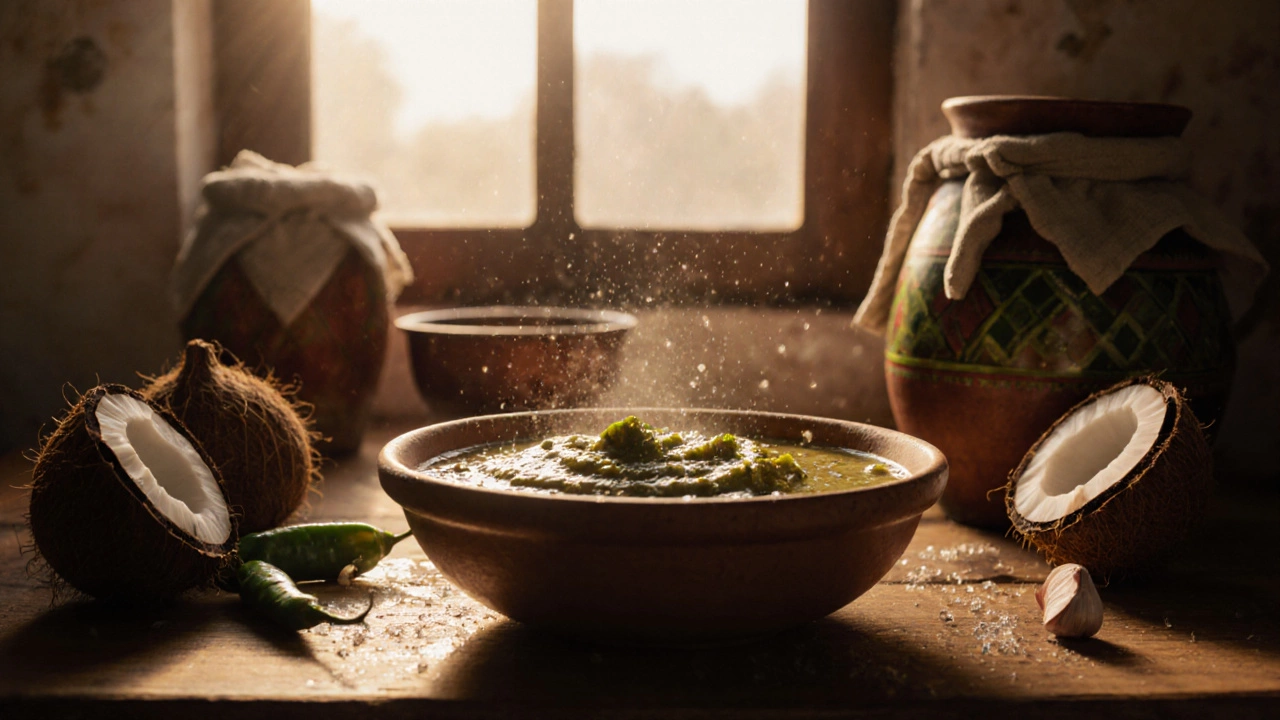
Is Chutney Good for Your Gut? The Real Science Behind This Indian Condiment
Homemade chutney, when fermented, is rich in probiotics that support gut health. Learn which types help digestion, how to make them, and why store-bought versions don’t work the same.
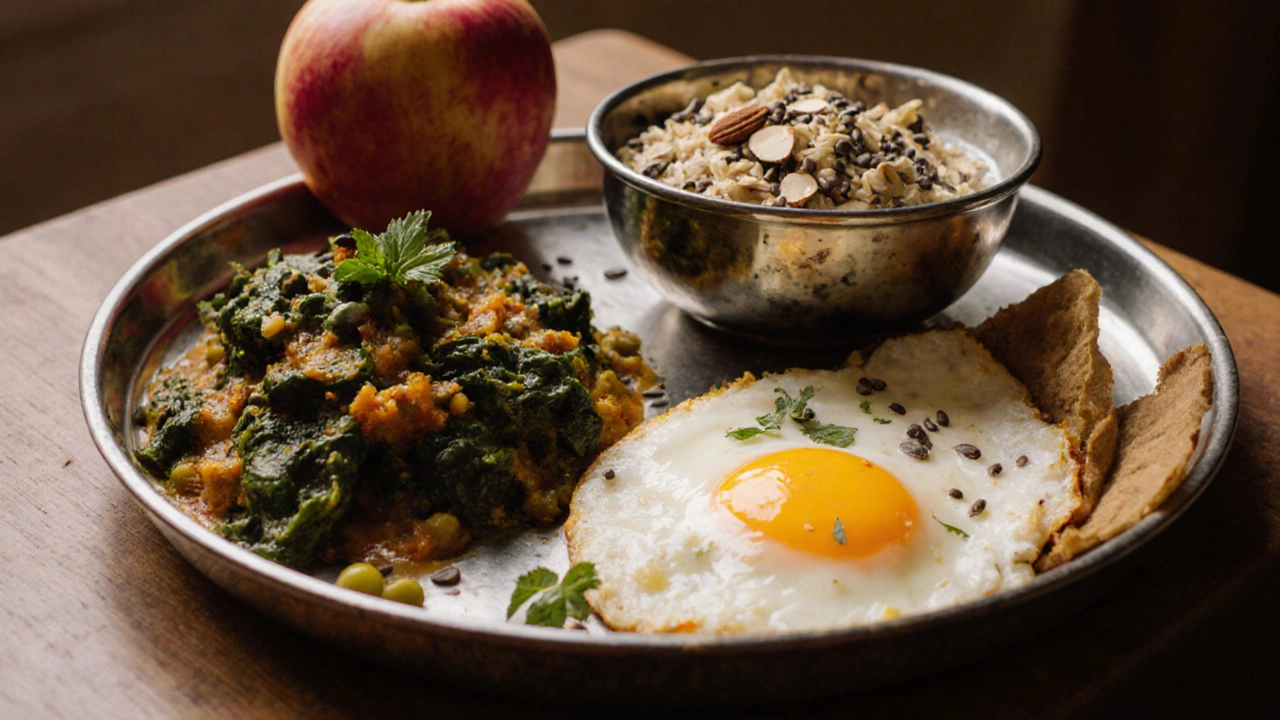
What Is the 30/30/30 Rule for Weight Loss and How to Use It With Indian Snacks
The 30/30/30 rule for weight loss means eating 30g each of protein, fiber, and healthy fats at breakfast. This simple Indian-friendly approach controls hunger, stabilizes blood sugar, and helps you lose weight without dieting.
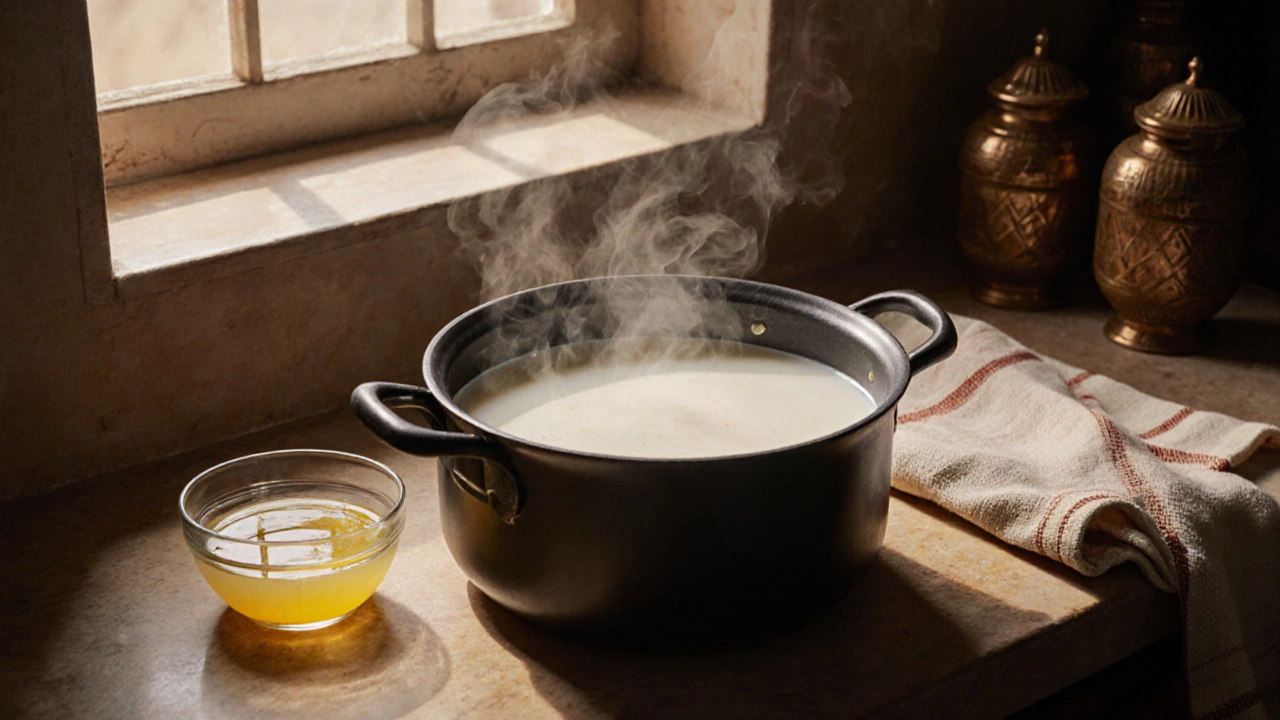
Best Milk for Homemade Paneer: What Works and Why
Full-fat cow or buffalo milk is best for homemade paneer. Low-fat, skim, or ultrapasteurized milk won't work. Learn why milk quality matters and how to get perfect paneer every time.
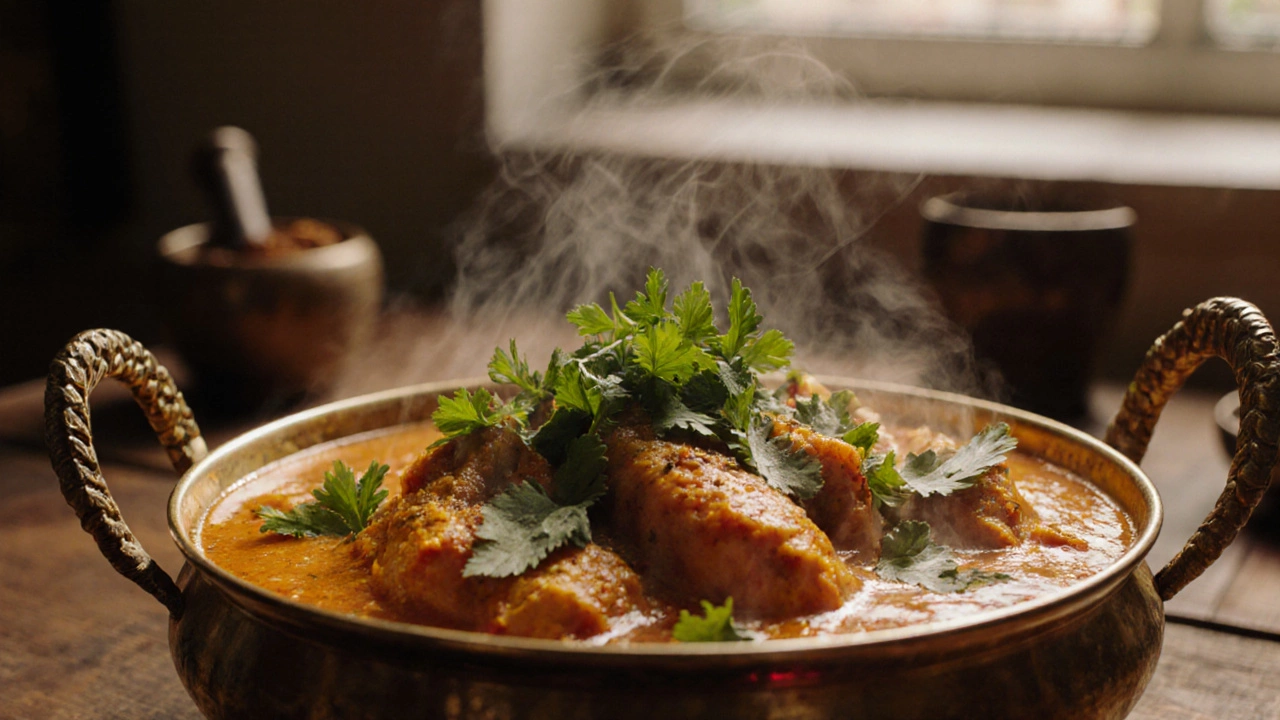
What Herbs Go on Top of Curry? Fresh Garnishes That Elevate Chicken Curry
Discover the best fresh herbs to top chicken curry-cilantro, curry leaves, mint, and more-plus how to use them right for maximum flavor. Learn what works, what doesn't, and why this final touch makes all the difference.
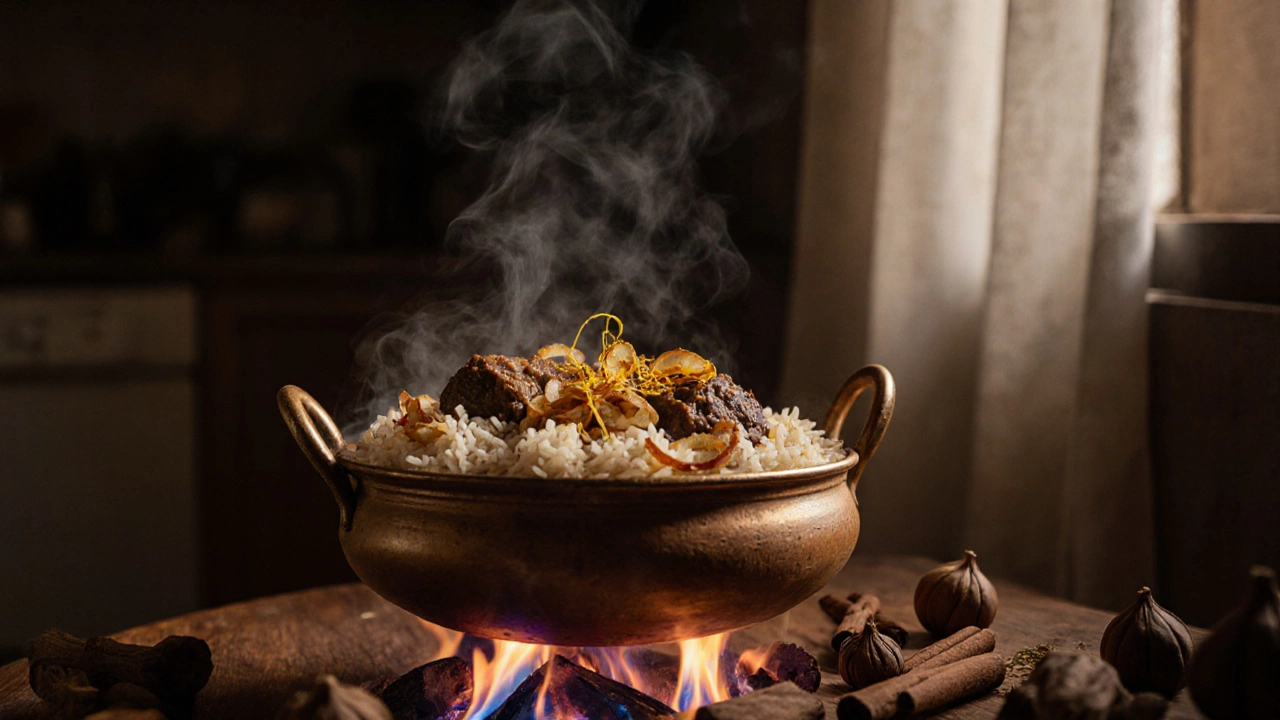
Why Do Muslims Eat Biryani? The History, Culture, and Meaning Behind the Dish
Biryani is more than a dish for Muslims-it's a symbol of tradition, community, and faith. Learn why this spiced rice meal holds deep cultural meaning during Eid, funerals, and family gatherings.
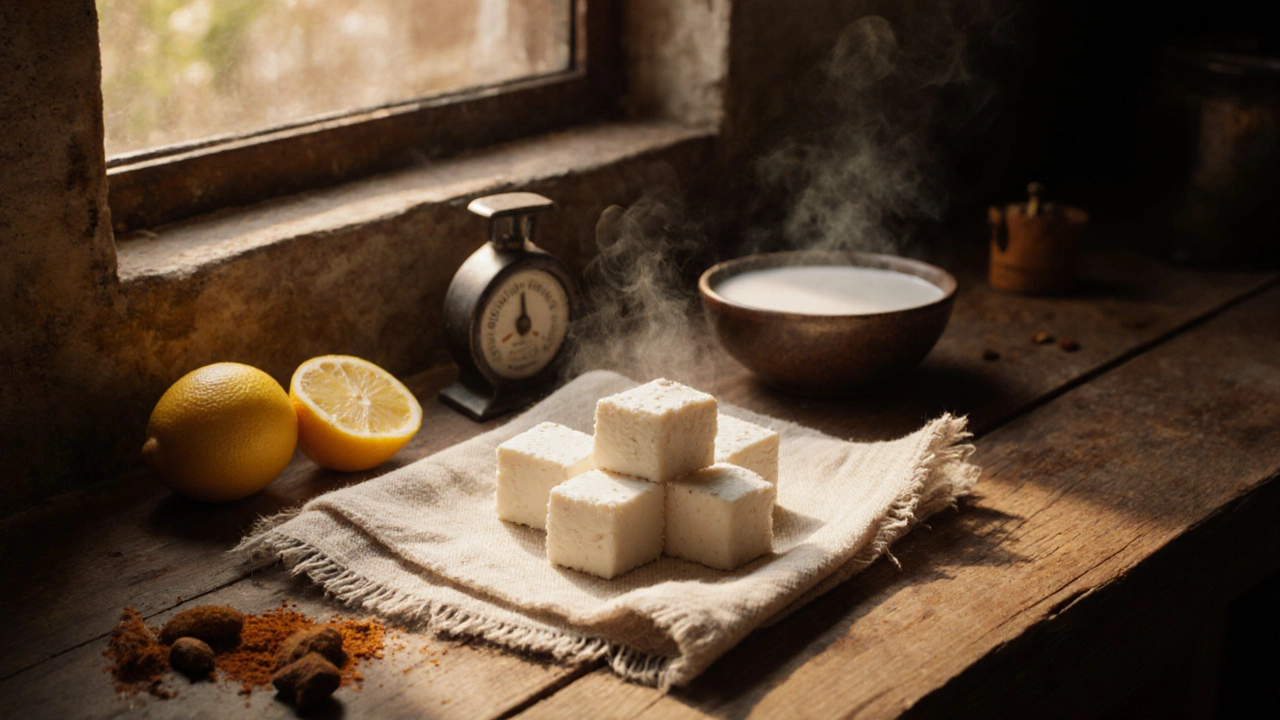
Is Paneer Better Than Tofu for Weight Loss? The Real Difference Between Indian Paneer and Tofu
Paneer and tofu are both popular vegetarian proteins for weight loss. Paneer offers more protein and satiety, while tofu is lower in calories. Learn which one fits your body and goals better.
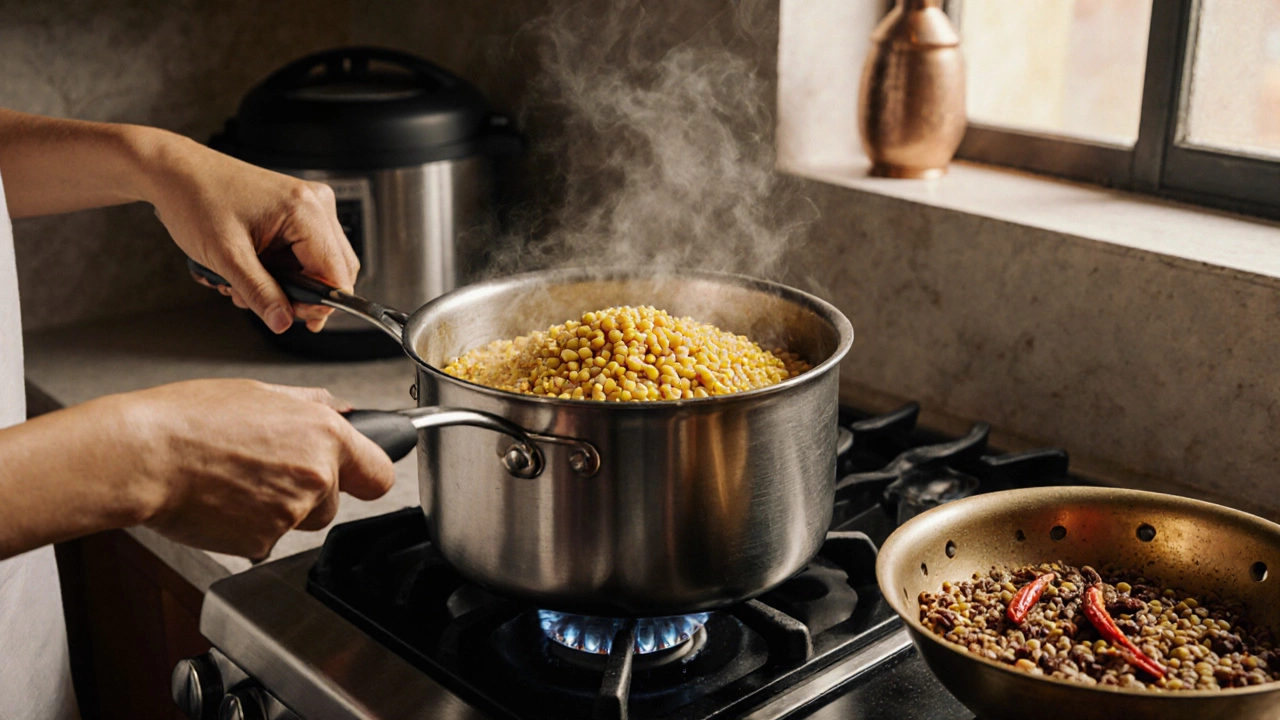
Which Dal Does Not Need Soaking? Quick Cooking Lentils for Busy Days
Yellow moong dal doesn't need soaking and cooks in under 30 minutes. Learn which other dals skip soaking, how to cook them fast, and why this simple trick saves time without sacrificing nutrition.