Indian Snacks and Meals in October 2025: Healthy, Traditional, and Everyday Recipes
When it comes to Indian snacks, small, flavorful bites eaten between meals across India, often made with lentils, grains, or vegetables. Also known as namkeen, they’re not just appetizers—they’re a daily ritual, a cultural anchor, and sometimes the only thing keeping you going until dinner. Whether you’re grabbing roasted chana on the bus, munching on makhana during a break, or frying up a batch of samosas for guests, Indian snacks are built for speed, flavor, and staying power. And in October 2025, the focus isn’t on fancy trends—it’s on what actually works: protein-rich, fiber-packed, and easy-to-make bites that don’t cost a fortune or take hours.
Behind every snack is a meal. Indian meals, balanced plates of rice or roti, dal, vegetables, and sometimes yogurt or pickle, eaten daily by millions. Also known as bhojan, they vary wildly by region but always follow one rule: nothing is wasted, and everything has a purpose. That’s why you’ll find guides here on which dal to eat at night for better sleep, how to soak urad dal for perfect dosa batter, and why roti is the most popular dish in India—not because it’s trendy, but because it’s reliable. These aren’t restaurant dishes. These are home-cooked staples that keep families fed, energized, and satisfied.
Then there’s the sweet side. Traditional Indian sweets, dense, syrupy, or fried desserts made with milk, sugar, and cardamom, often tied to festivals, family events, or simple daily indulgence. Also known as mithai, they’re not just sugar—they’re memory, celebration, and comfort in one bite. From gulab jamun to mysore pak, these treats aren’t reserved for Diwali. People eat them on Sundays, after work, or just because. And yes, we’ve got the real recipes—not the ones from tourist shops, but the ones passed down in kitchens across Uttar Pradesh, West Bengal, and Tamil Nadu.
You’ll also find what people avoid. Not every meat is eaten here. Beef? Mostly off-limits. Pork? Rare in many homes. Why? It’s not just religion—it’s geography, family history, and daily practice. And if you’re going plant-based, you’ll see how easy it is to eat vegan in India—many dishes already are. No substitutions needed. Just cook the way it’s always been done.
And yes, we’ve got the science too. When do you add ginger to curry? Should you rinse yogurt off chicken? Is paneer safe after seven days? These aren’t guesses. These are answers tested in real kitchens, with real results. No fluff. No theory. Just what works.
This collection isn’t about perfection. It’s about practicality. Whether you’re cooking for one, feeding a crowd, or just trying to eat better without giving up flavor, everything here is built for real life. No fancy tools. No hard-to-find ingredients. Just honest food that’s been eaten in India for generations—and still is today.
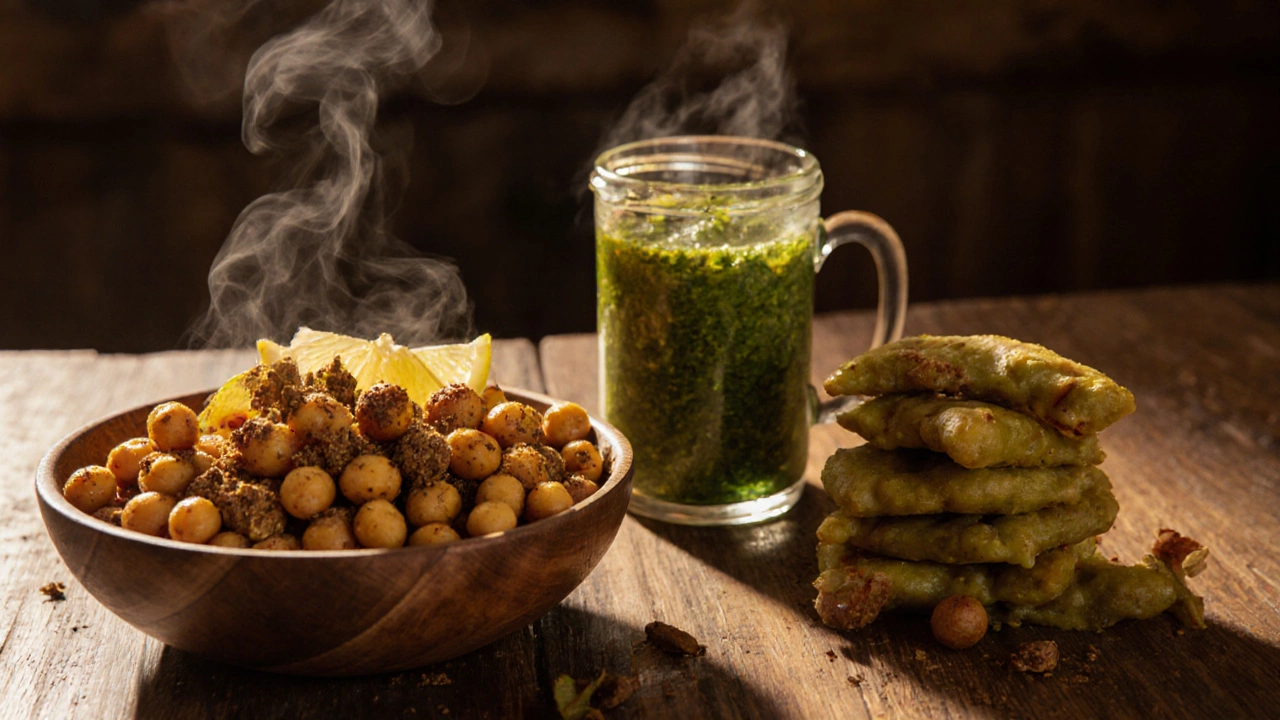
What Is a Healthy Snack to Have? Best Indian Snacks for Everyday Nutrition
Discover the best healthy Indian snacks that are nutritious, easy to make, and keep you full. Skip sugary or fried options and choose protein-rich, fiber-packed snacks like roasted chana, sprouted moong, and makhana.
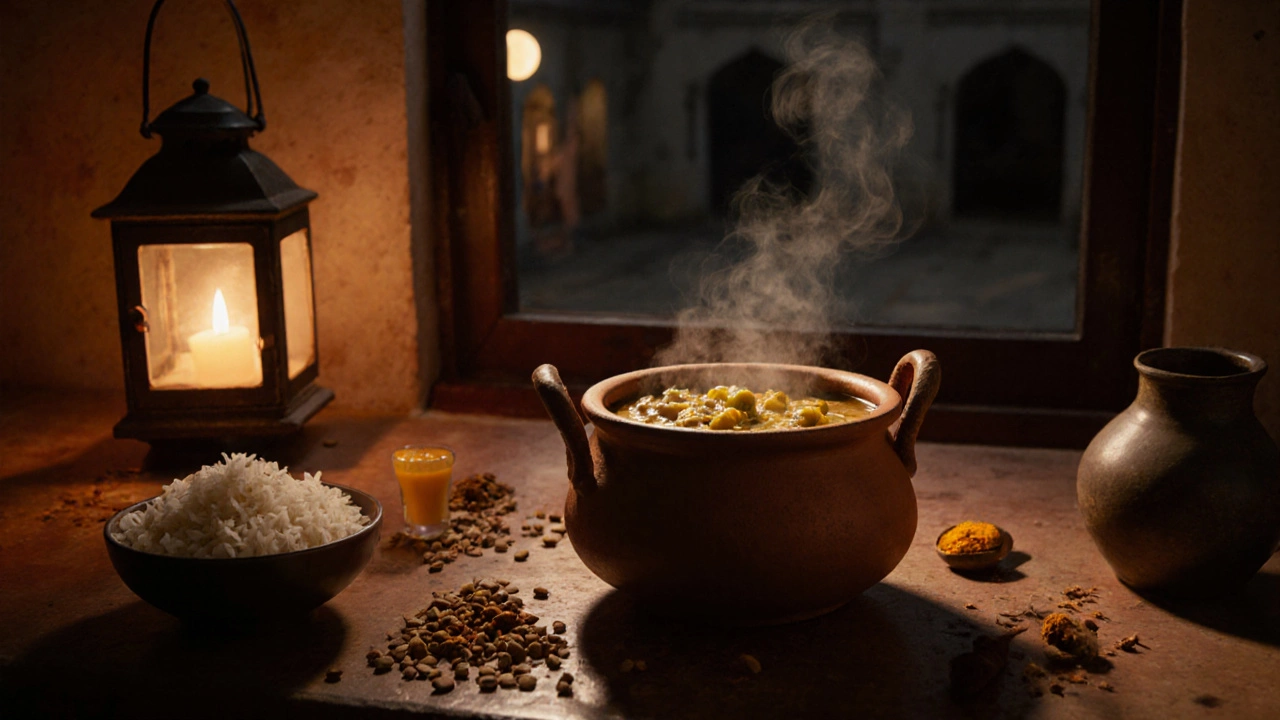
Which Dal to Eat at Night? Best Choices for Digestion and Sleep
Not all dals are equal at night. Learn which lentils are easiest to digest and help you sleep better, and which to avoid. Simple, science-backed tips for a peaceful night.
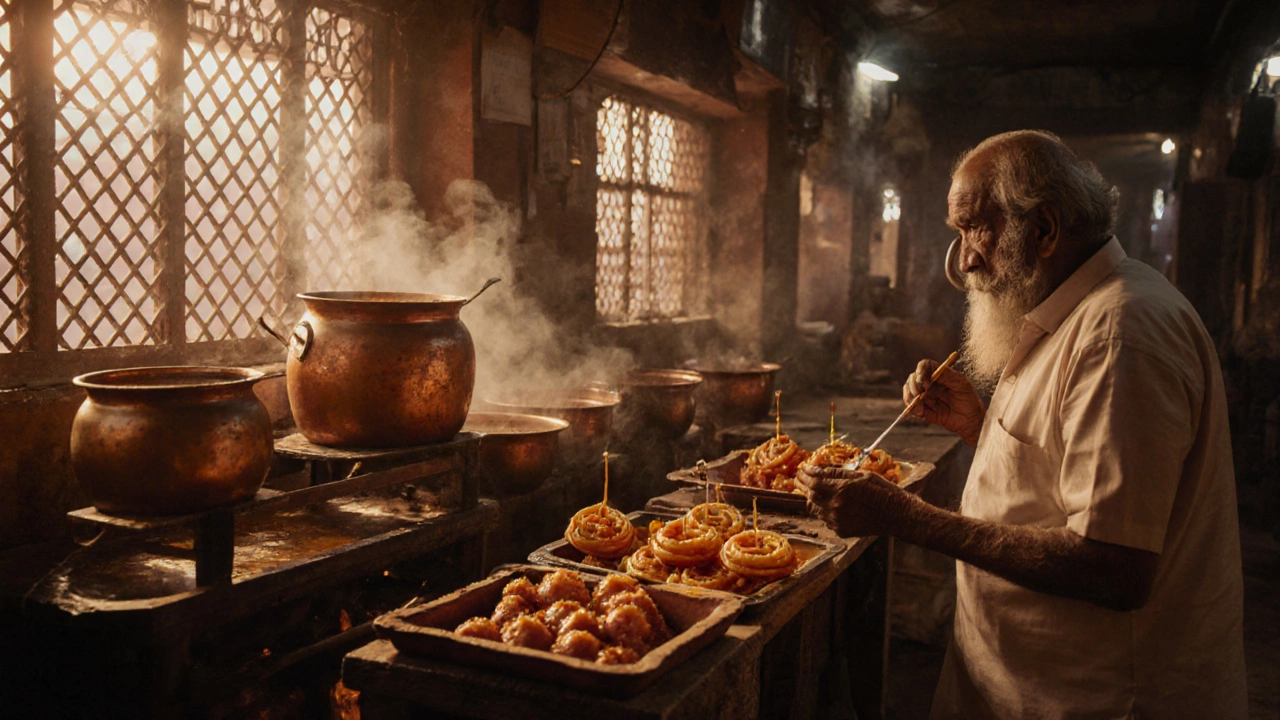
What Is India's Traditional Sweet? A Guide to the Most Beloved Indian Sweets
Discover India's most beloved traditional sweets like gulab jamun, rasgulla, and jalebi-how they're made, why they matter, and where to find the real ones.
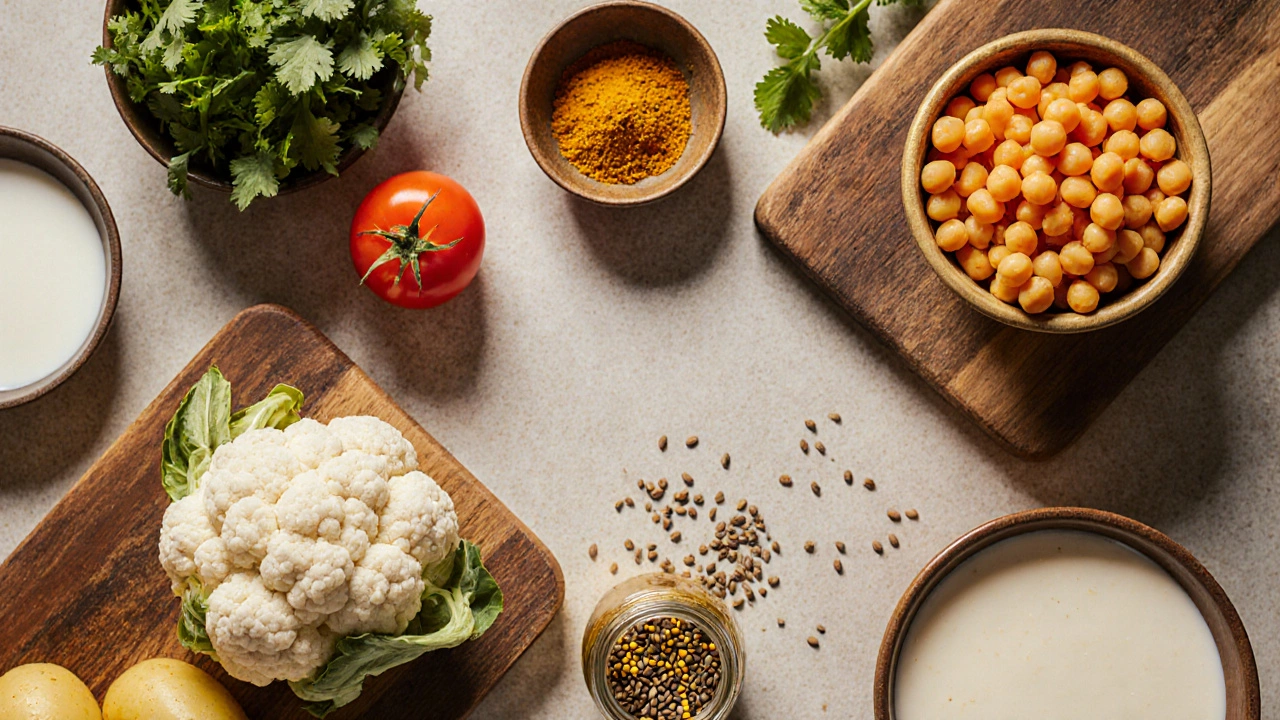
Vegan Indian Dishes: Common Plant‑Based Recipes Across India
Discover the Indian dishes that are naturally vegan, learn regional favorites, and get tips to turn classic recipes plant‑based. Perfect for vegans seeking authentic Indian flavors.
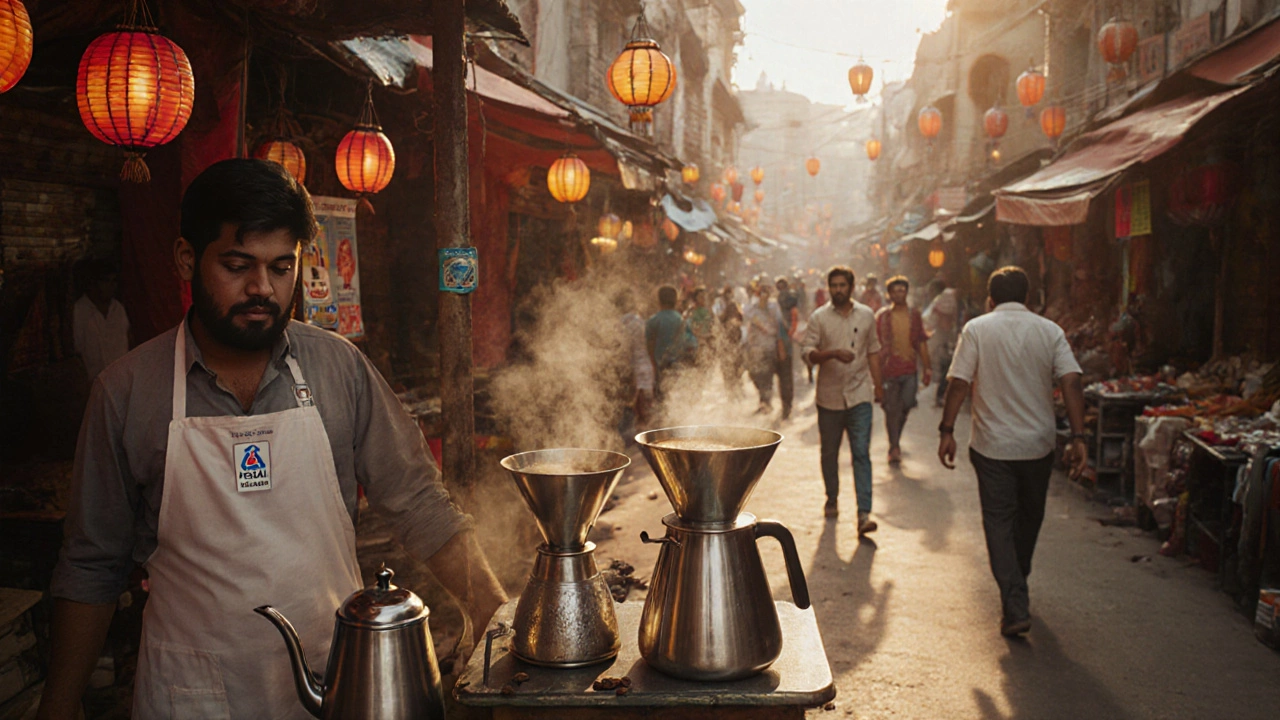
Coffee in India: Legal Status, Health Effects, and Street‑Food Guide
Learn if coffee is legal in India, its health benefits, street‑coffee varieties, and tips for safe consumption while exploring Indian street food.
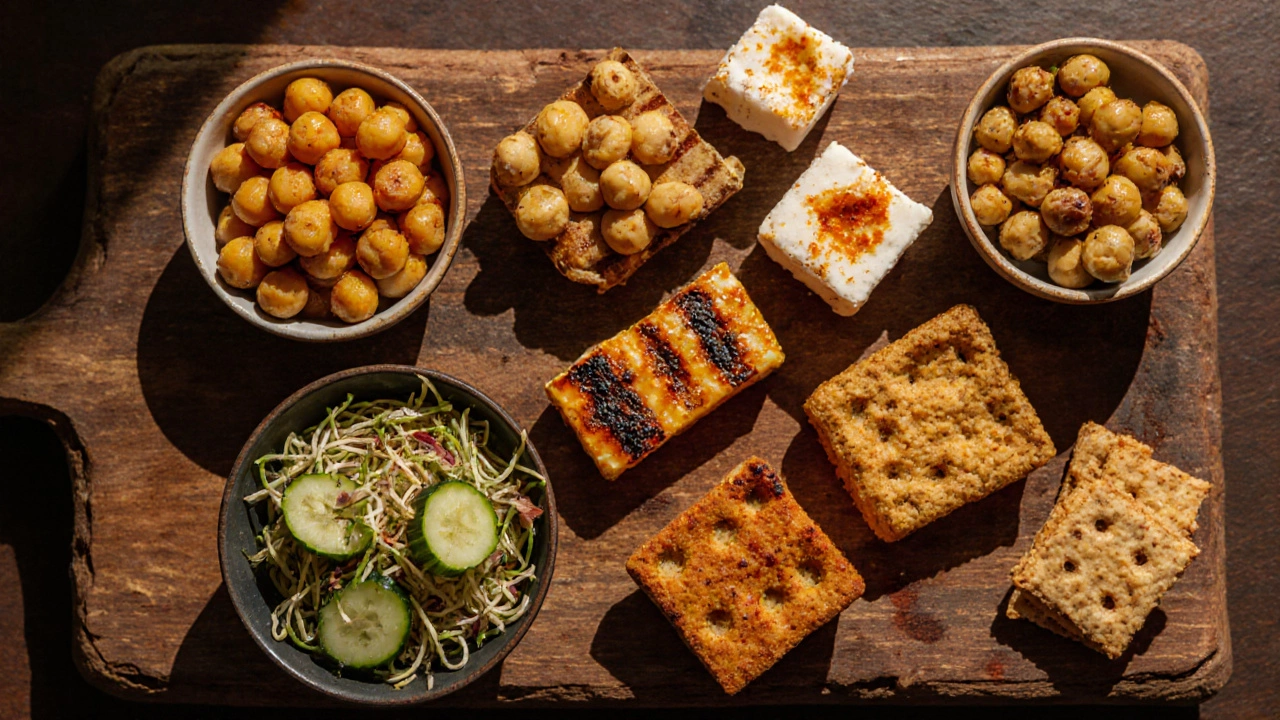
Best Small High‑Protein Indian Snacks for Quick Nutrition
Discover the highest‑protein Indian snacks that are small, tasty, and perfect for quick nutrition. Includes nutrition tables, DIY recipes, and storage tips.
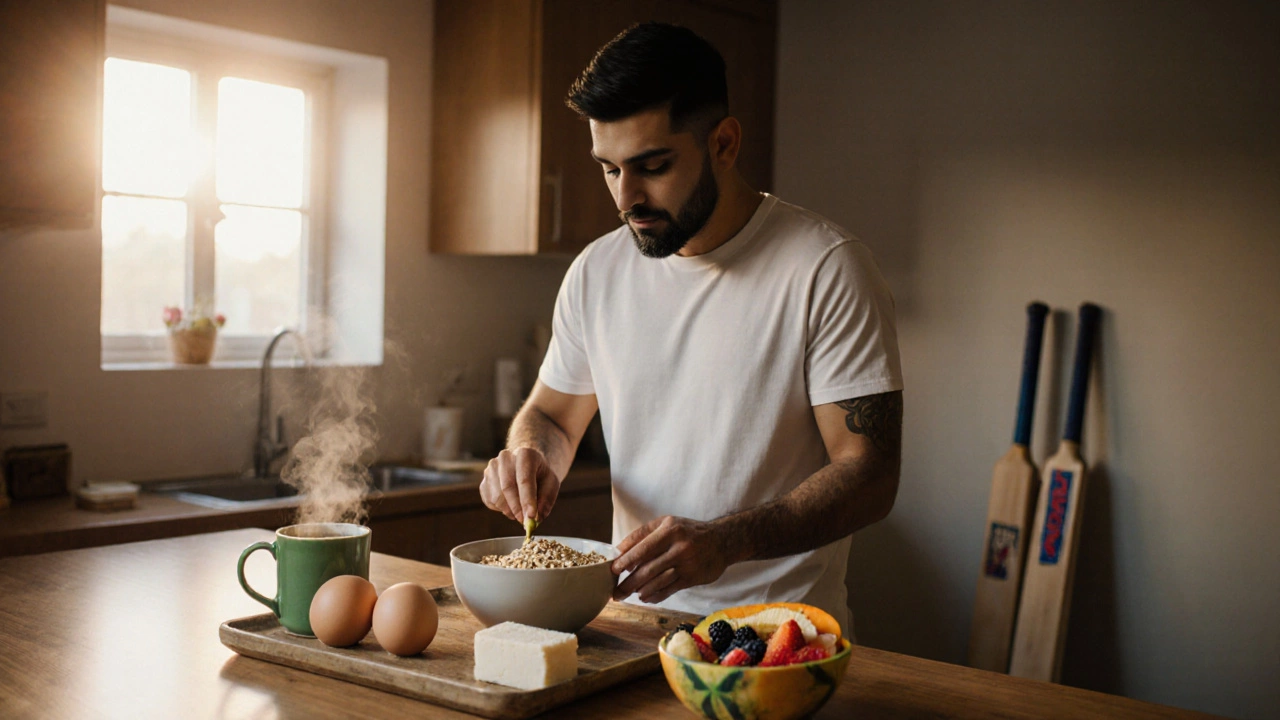
Virat Kohli's Morning Breakfast: Quick Indian Meals for Peak Performance
Discover the quick, healthy breakfast choices of Virat Kohli, why they work for an elite athlete, and how you can recreate them at home with simple Indian ingredients.
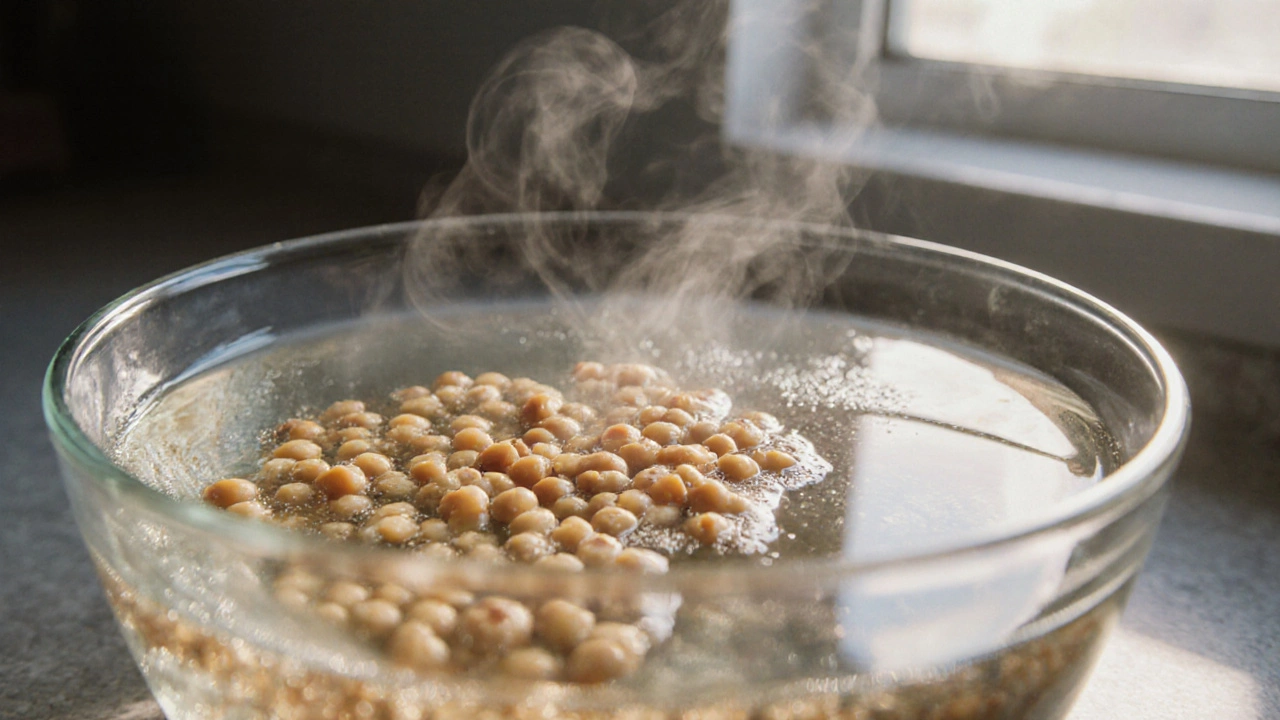
Ideal Soaking Time for Urad Dal in Dosa Batter
Find the perfect soaking time for urad dal to make crisp, fluffy dosa batter. Learn temperature‑based guidelines, step‑by‑step instructions, common mistakes, and FAQs.
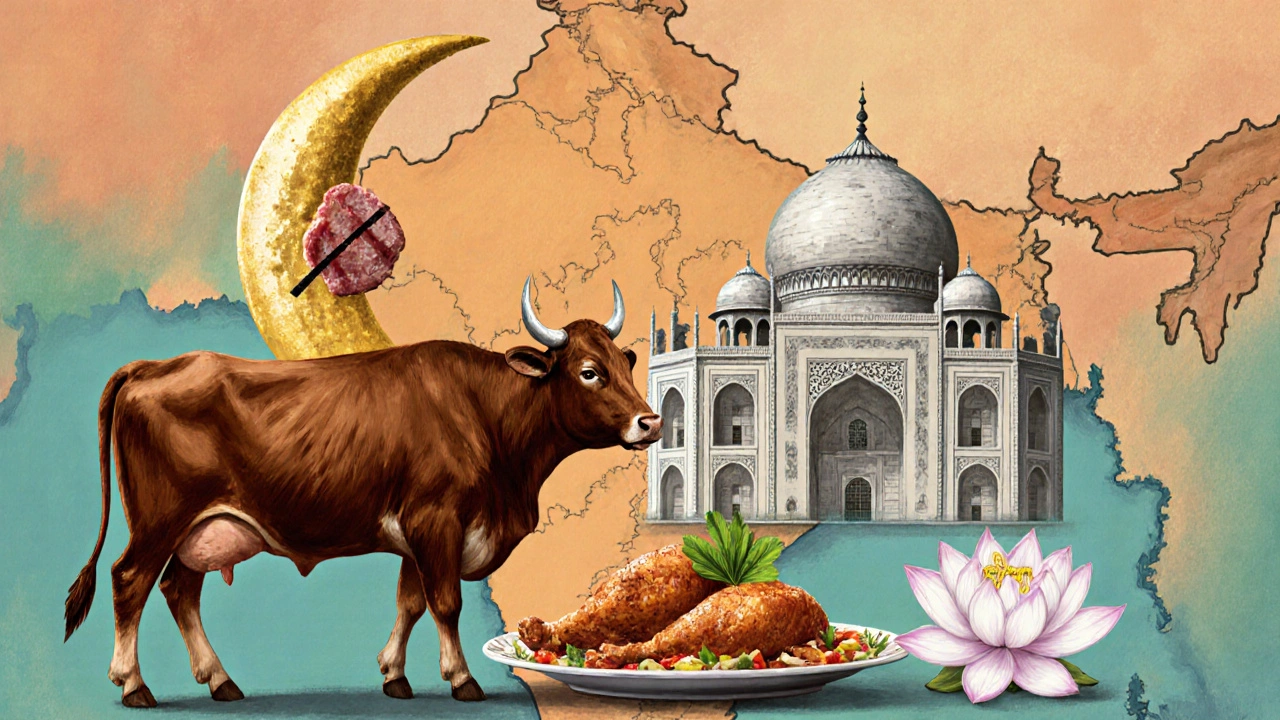
Which Meats Are Not Eaten in India? A Cultural and Legal Guide
Explore which meats are avoided in India, why beef, pork and other proteins are restricted, and how religion, law, and region shape Indian food choices.
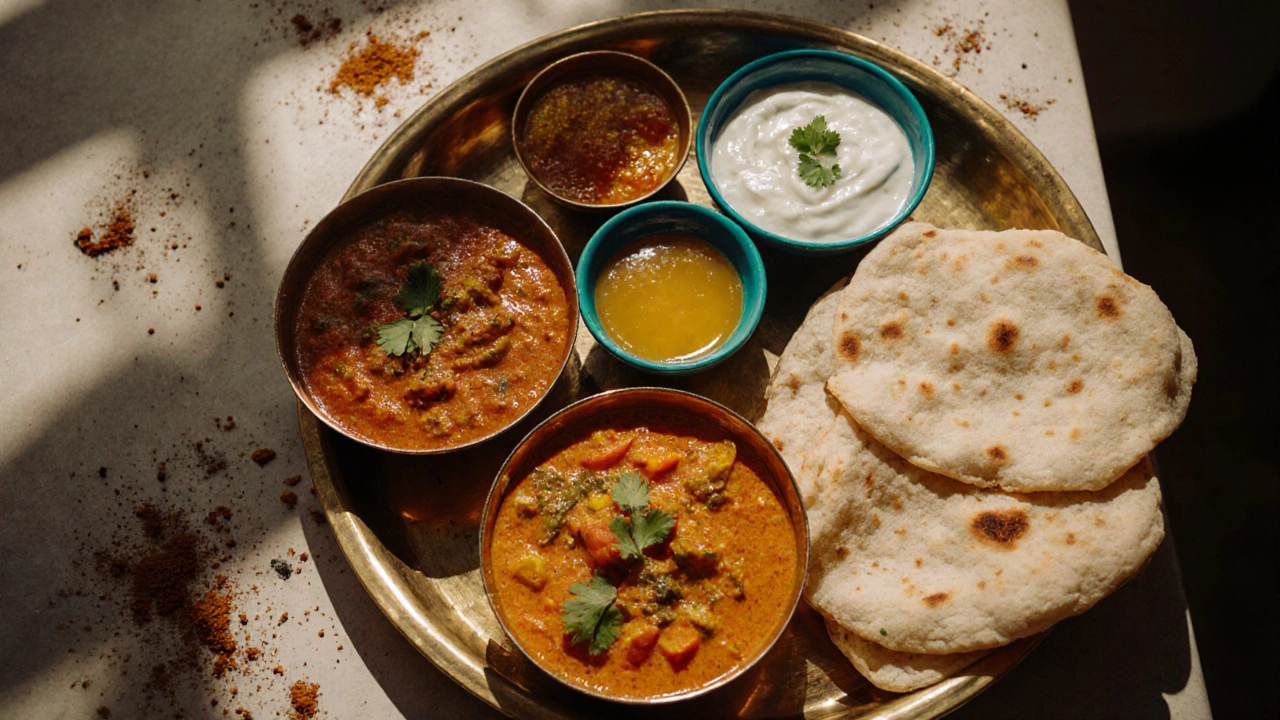
Indian Vegetarian Meal Explained: Dishes, Ingredients, and Nutrition
Explore what defines an Indian vegetarian meal, its staple dishes, regional twists, nutrition facts, and easy tips to build a balanced, flavorful plate.
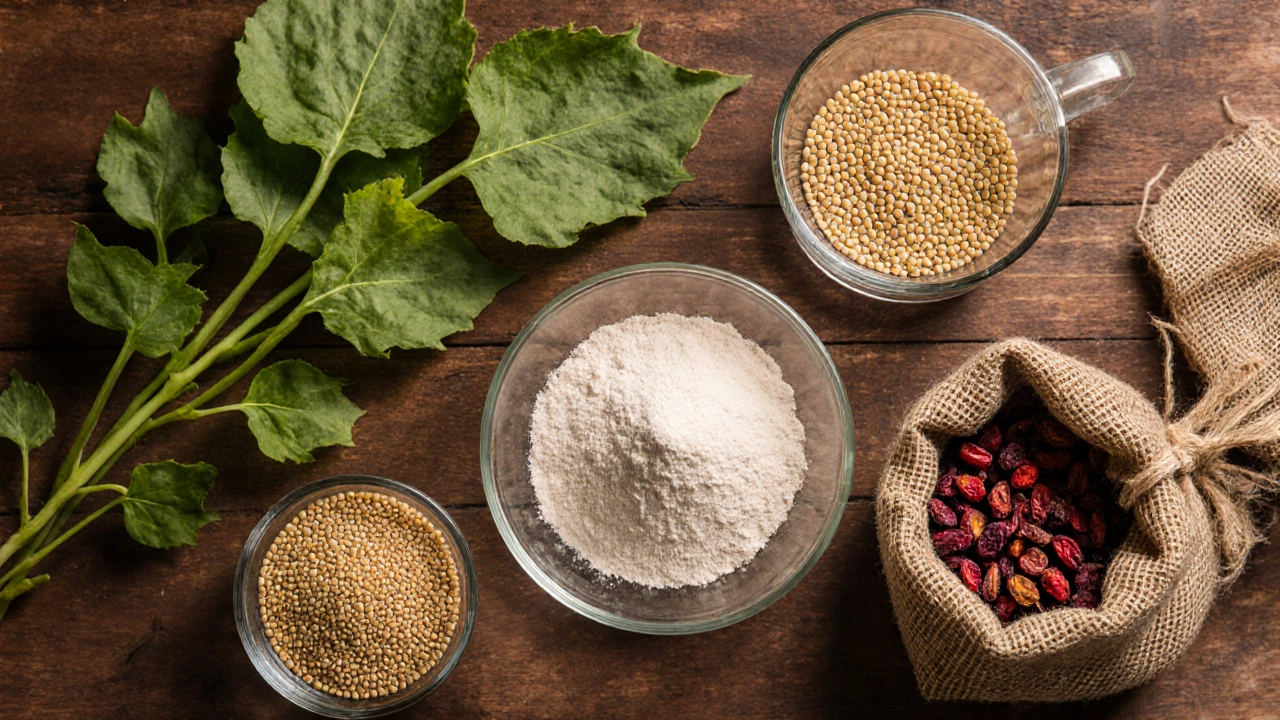
World’s Healthiest Food: Top Nutrient-Packed Superfoods Explained
Discover the world's most nutrient‑dense foods, why moringa leaves lead the pack, and how to boost Indian snacks with superfoods for real health benefits.
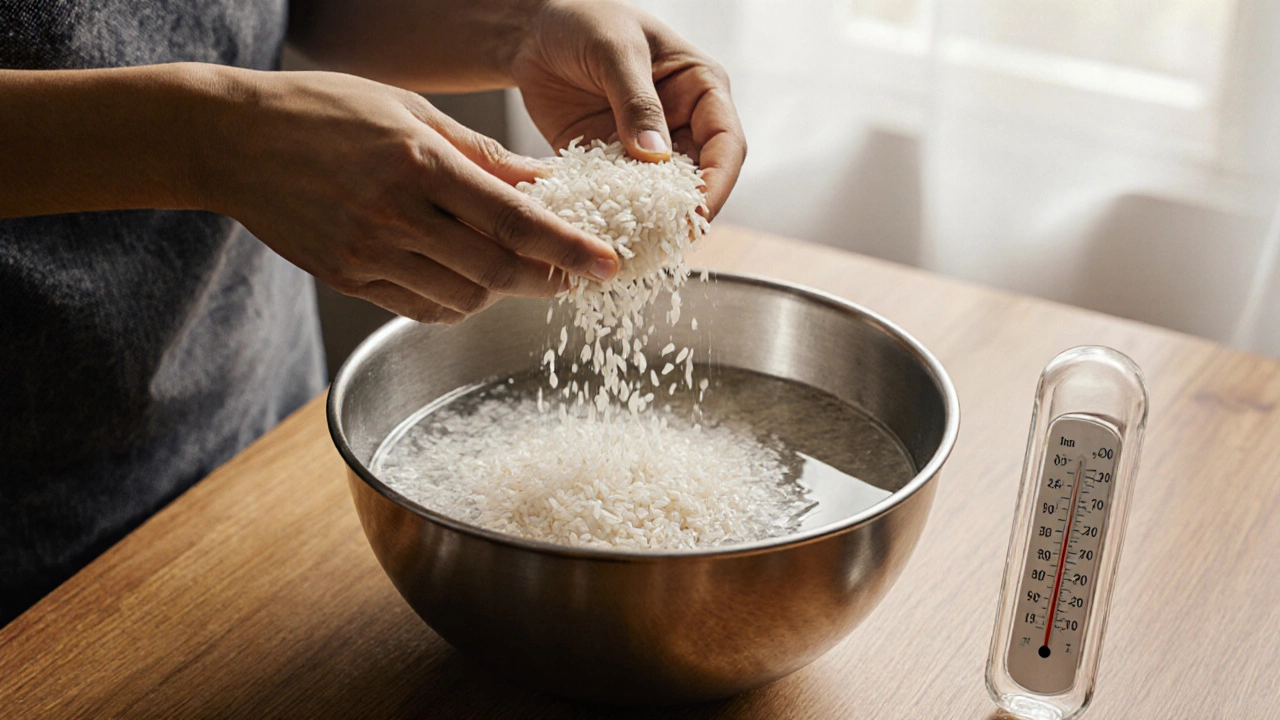
Ideal Rice Soaking Time for Perfect Dosa Batter
Learn the perfect rice soaking time for dosa batter, why it matters, and step‑by‑step tips to ensure fluffy, crisp dosas every time.