Flavors of India - Page 4
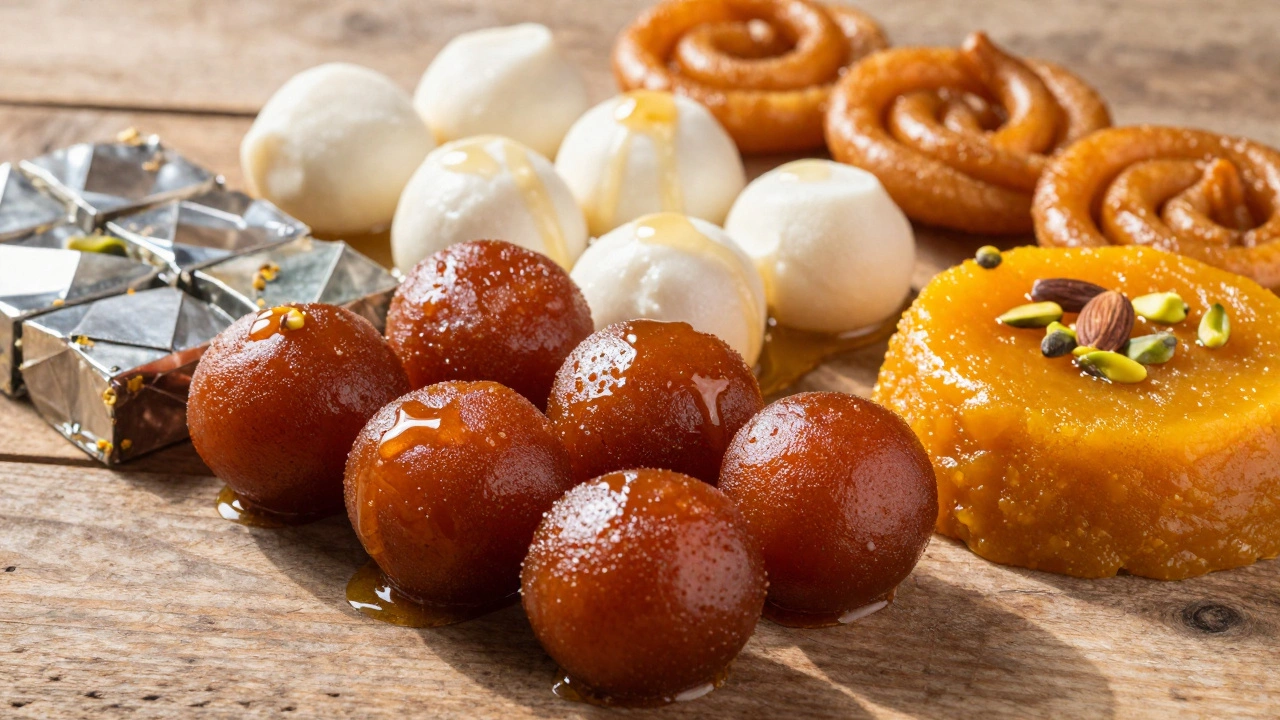
What is the Official Sweet of India? A Guide to Gajar Ka Halwa, Gulab Jamun & More
India has no single official sweet, but Gulab Jamun and Gajar Ka Halwa are top contenders. Explore regional favorites, history, and easy recipes.
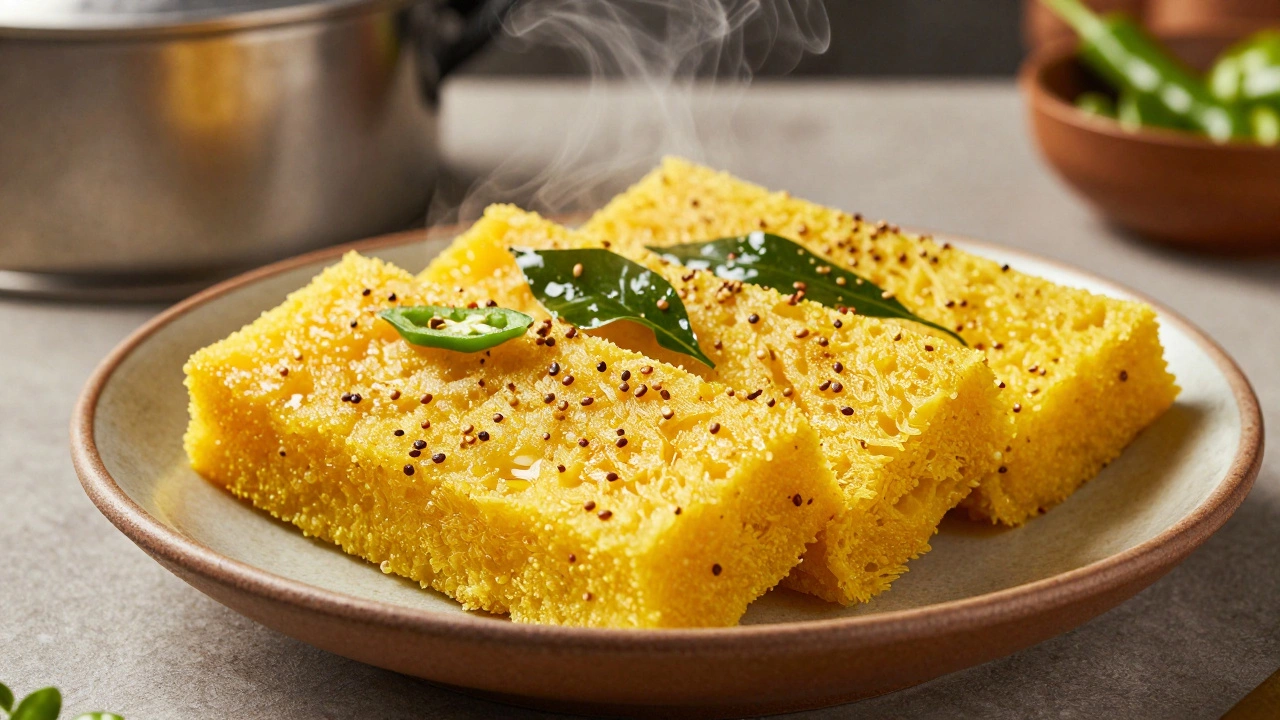
Is Dhokla Healthy? The Ultimate Guide to This Protein-Packed Gujarati Snack
Discover if dhokla is truly a healthy snack. Learn about its protein benefits, fermentation perks, and how it compares to other Indian foods for weight loss and gut health.
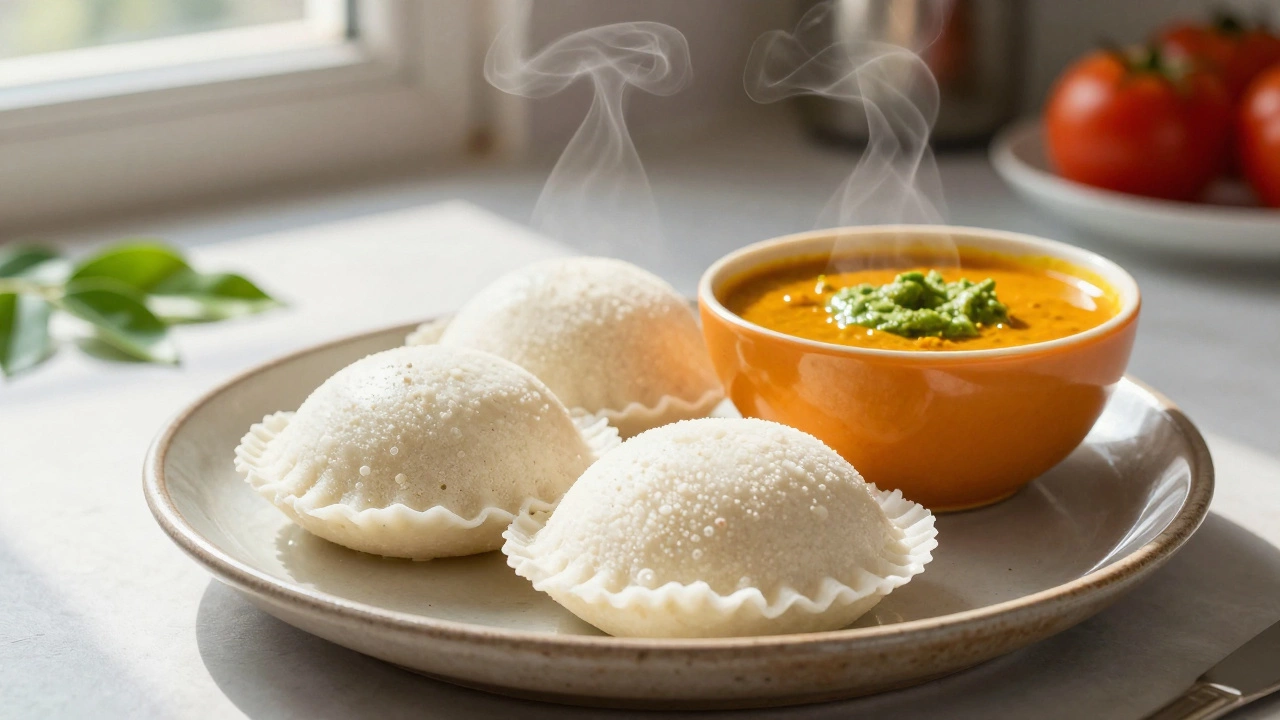
What Is the World's No. 1 Healthy Breakfast? The Indian Answer
Discover why fermented Indian staples like idli and ragi dosa rival global favorites as the world's healthiest breakfast. Learn quick, nutrient-dense recipes for balanced morning meals.
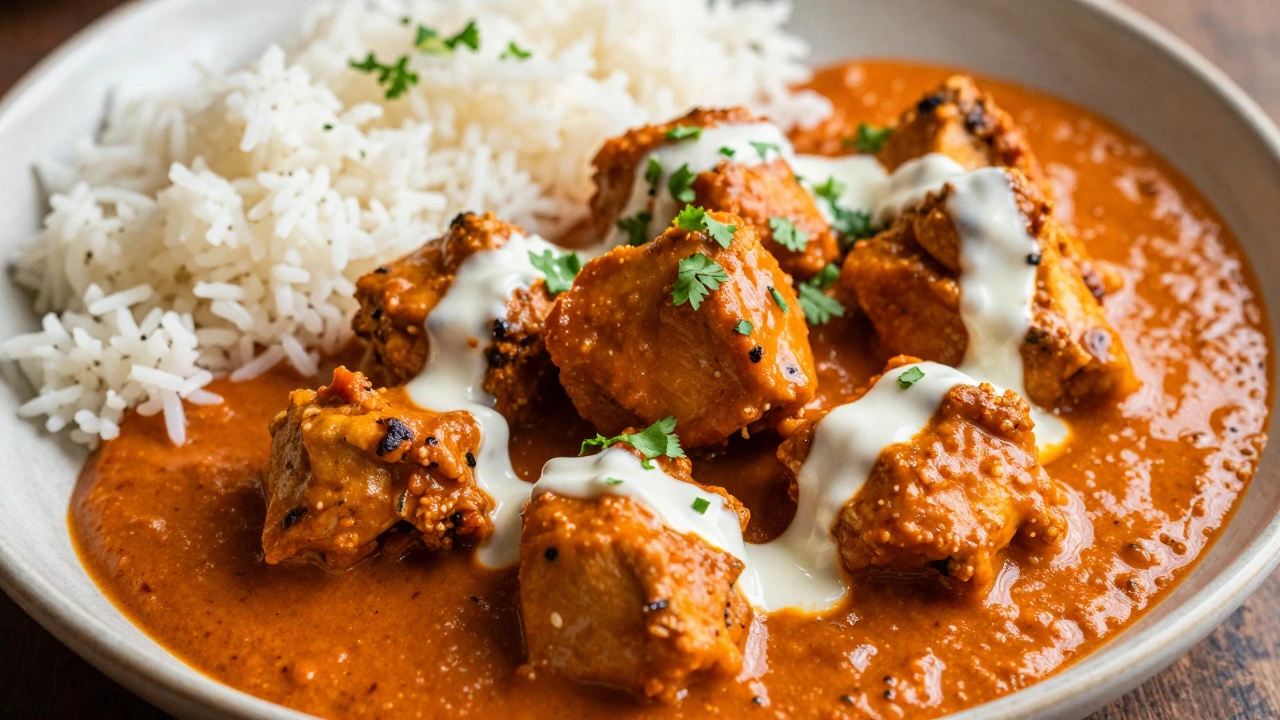
The World's Tastiest Curries: A Global Guide to Chicken Curry Recipes
Discover the world's tastiest curries, from Indian Butter Chicken to Thai Green Curry. Learn the key differences, flavor profiles, and tips to master the perfect chicken curry recipe at home.
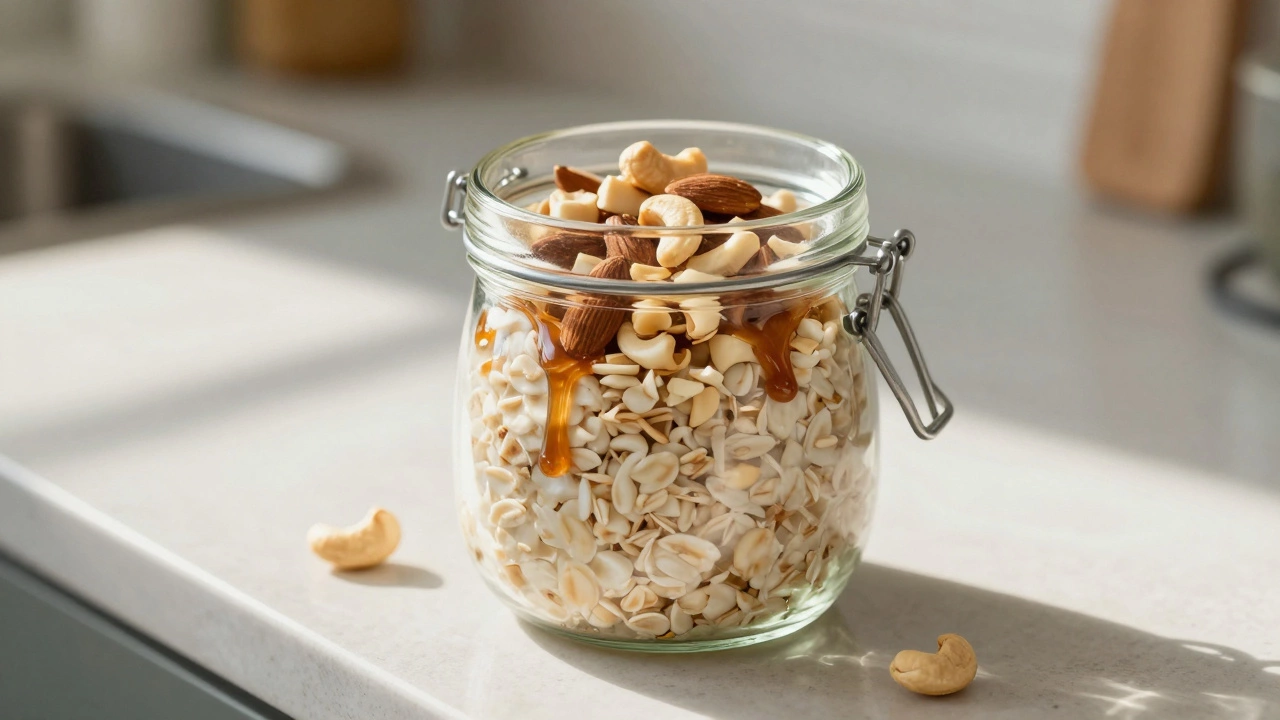
Quick Breakfast Ideas for India: Fast, Healthy & Tasty Morning Meals
Discover quick and healthy breakfast ideas for India. From overnight oats to instant upma, learn how to save time without compromising nutrition. Perfect for busy mornings.
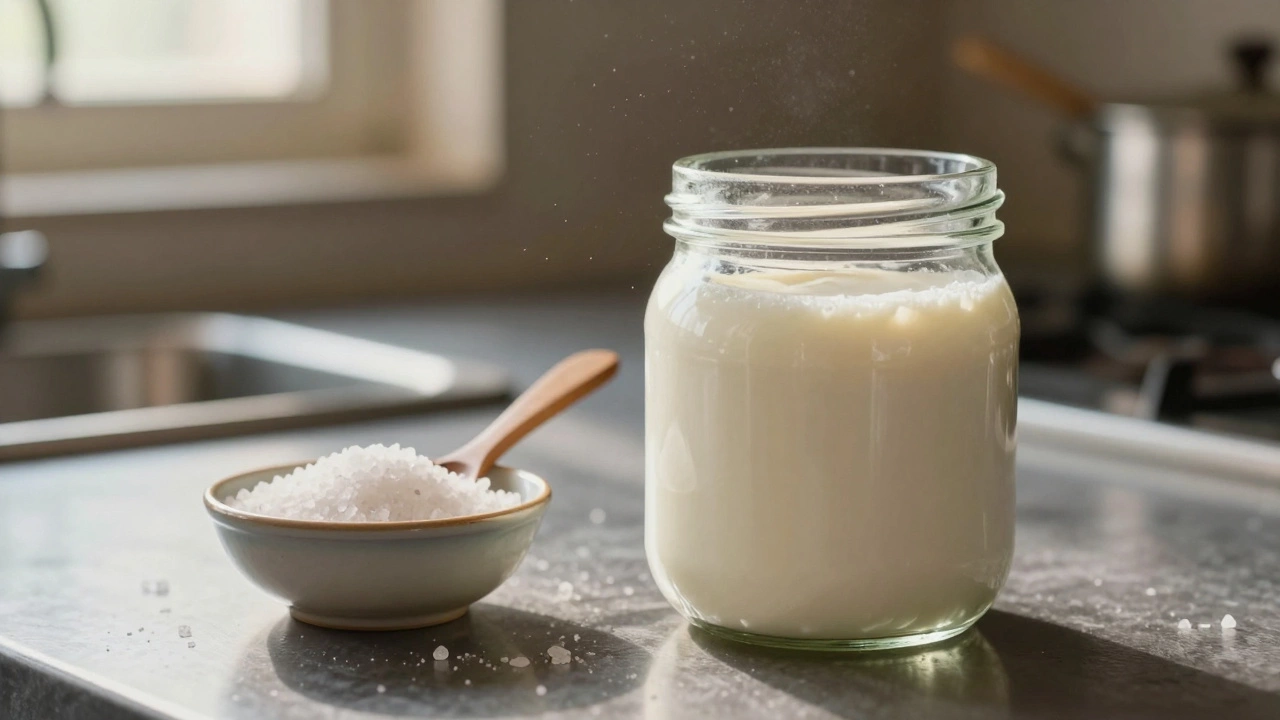
Should You Add Salt Before Fermenting Dosa Batter? The Truth About Timing
Discover whether adding salt before fermenting dosa batter affects rise and taste. Learn the science behind fermentation, practical tips for different climates, and troubleshooting advice for perfect crispy dosas.
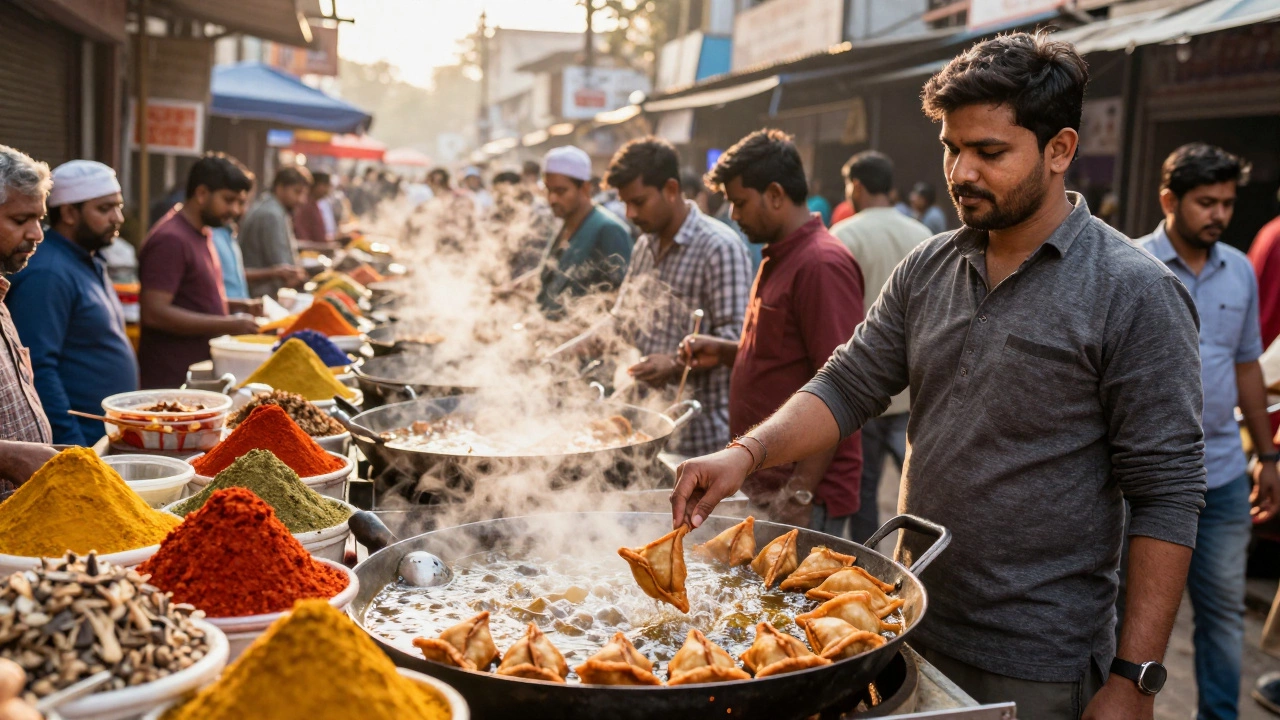
How to Avoid Stomach Issues While Eating Street Food in India
Discover practical tips to safely enjoy Indian street food without getting sick. Learn which dishes to choose, hygiene practices to follow, and essential items to pack for a worry-free culinary adventure.
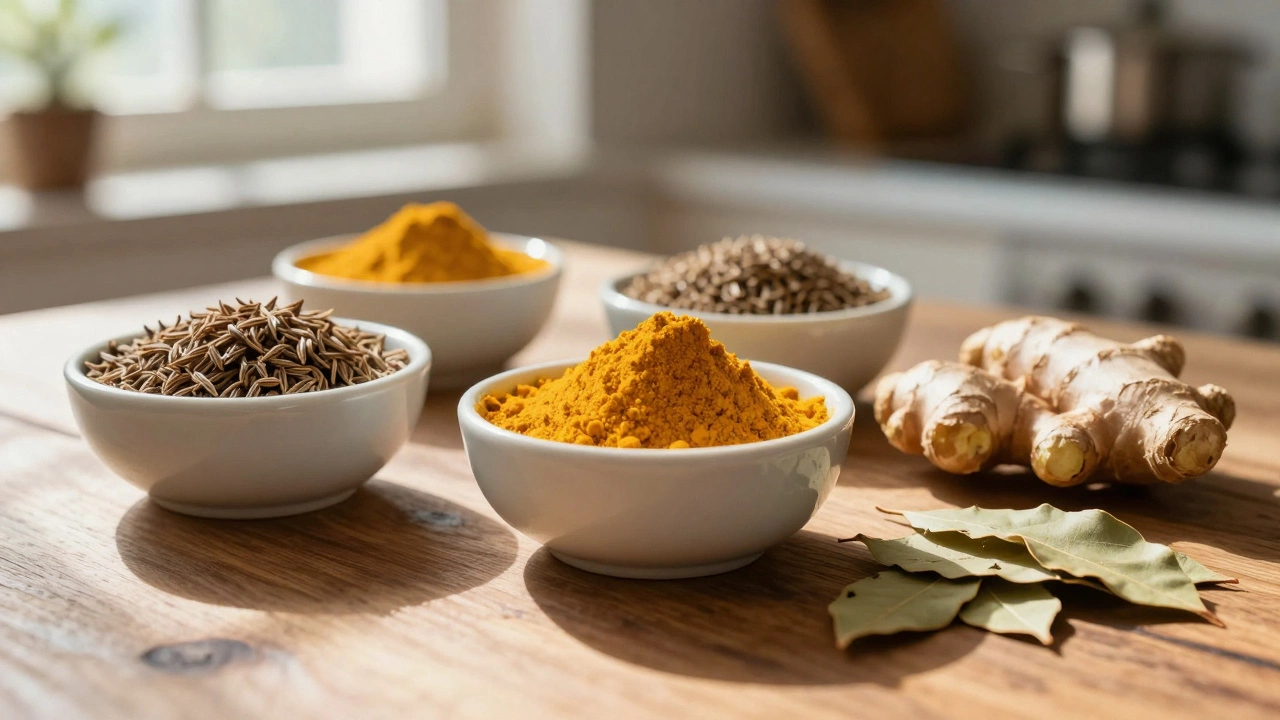
What is the Healthiest Indian Food to Eat? Top Nutritious Choices
Discover the healthiest Indian food choices, from nutrient-rich millets and lentils to powerful spices like turmeric and cumin. Learn how to balance your plate with traditional ingredients for optimal wellness.
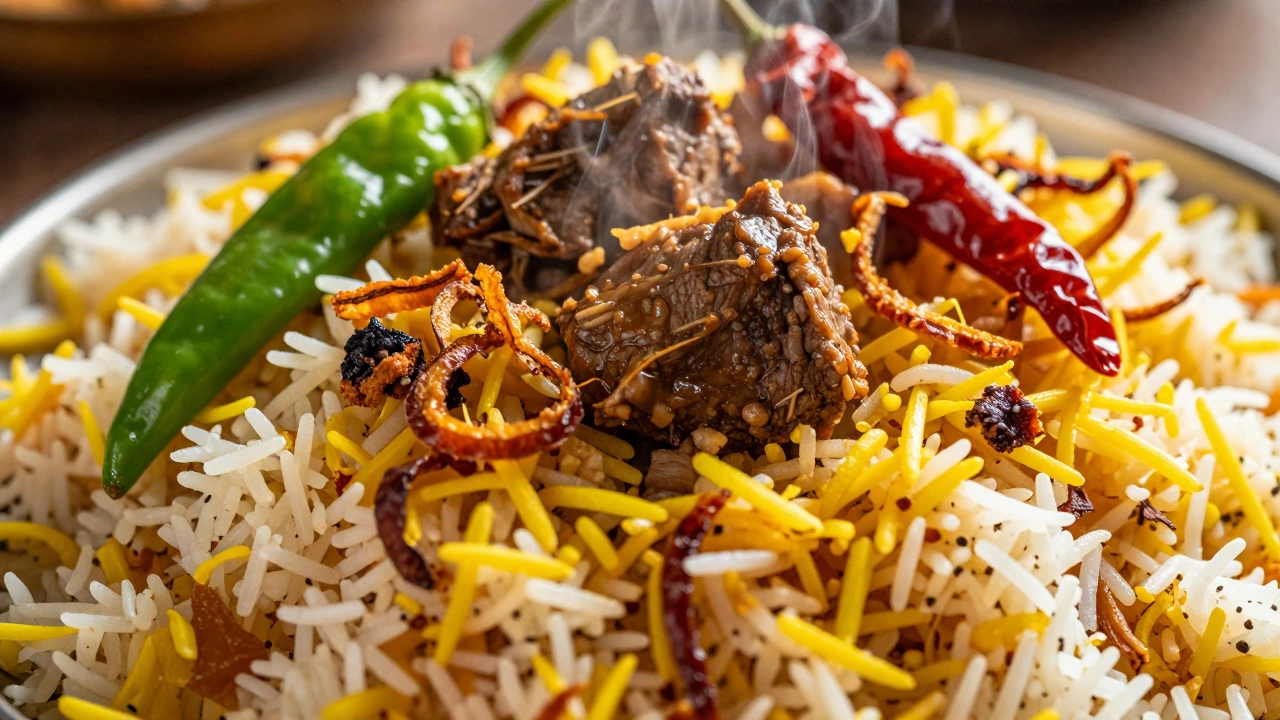
Why Is Biryani So Spicy? The Secret Behind Its Heat and Flavor
Discover why biryani is so spicy. Learn about chili types, capsaicin, regional differences, and how to control the heat in your own kitchen.
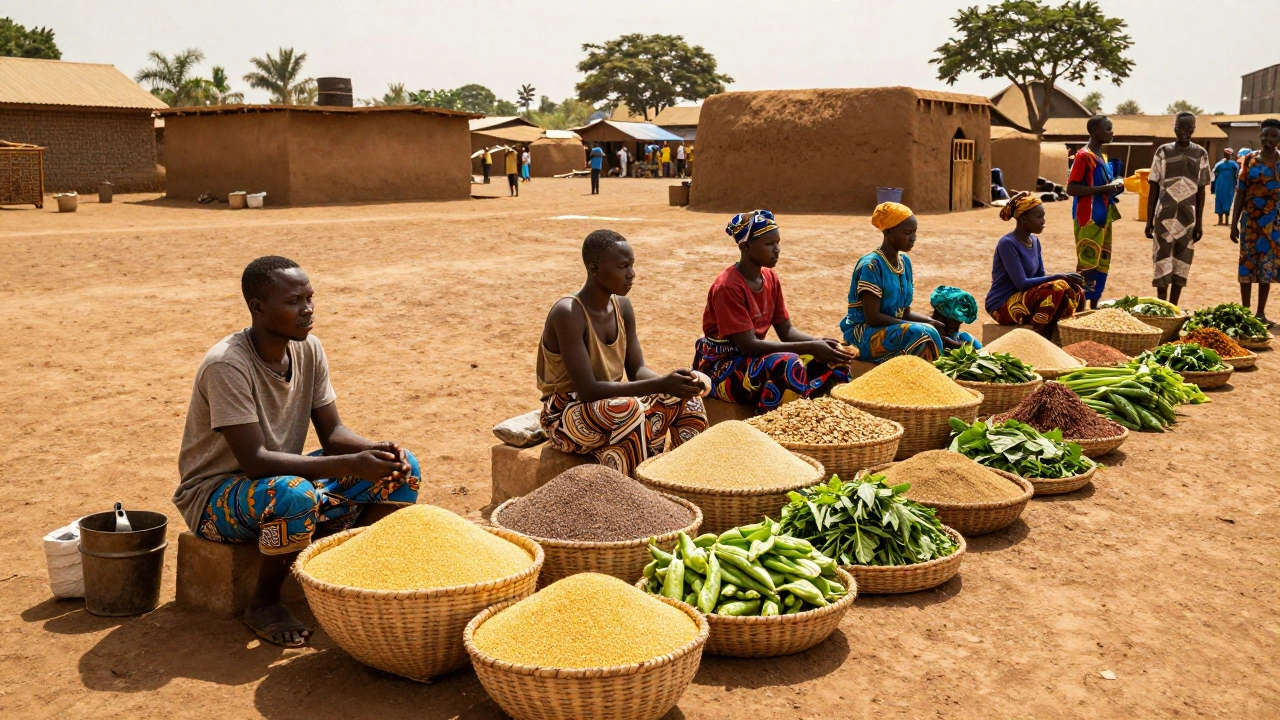
What Country Eats the Least Sugar? Global Data and Low-Sugar Indian Sweets
Discover which country eats the least sugar and learn how to enjoy traditional Indian sweets with less sugar using smart swaps and healthy recipes.
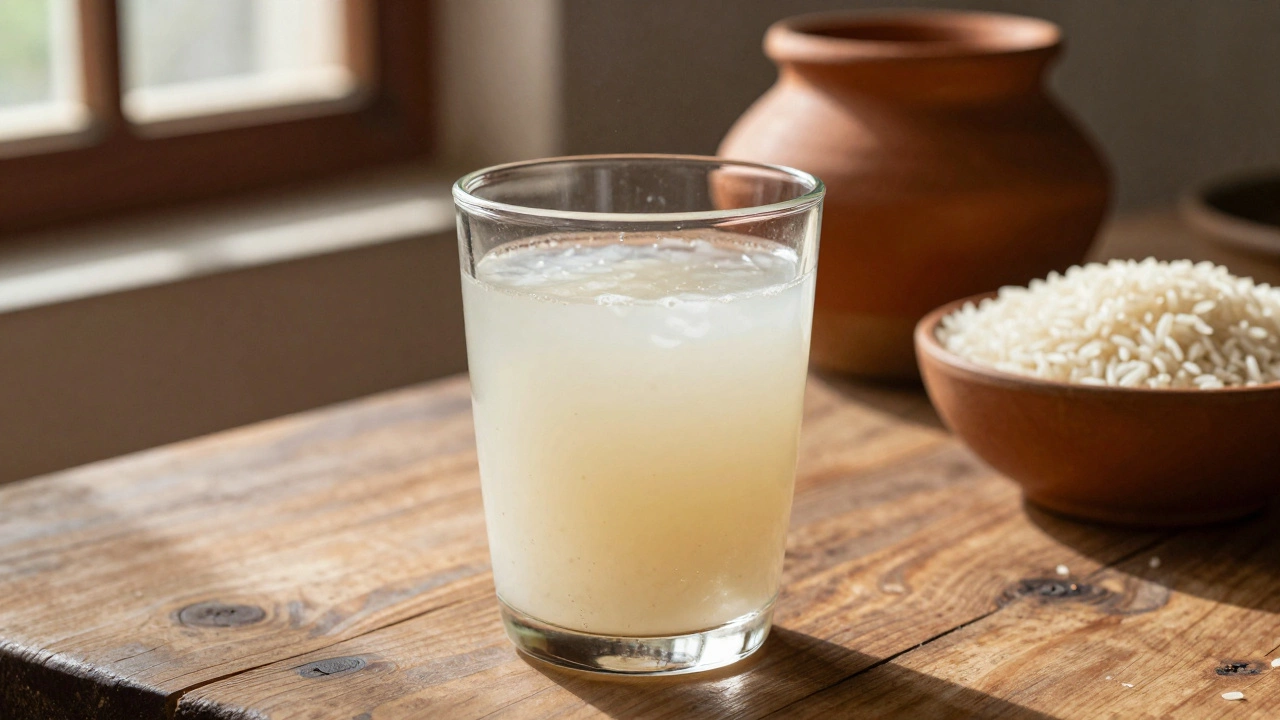
Does Rice Water Help You Lose Weight? The Truth About This Trend
Discover if rice water truly aids weight loss. We explore the science behind inositol, gut health benefits, and how to incorporate this Indian home remedy safely into your routine.
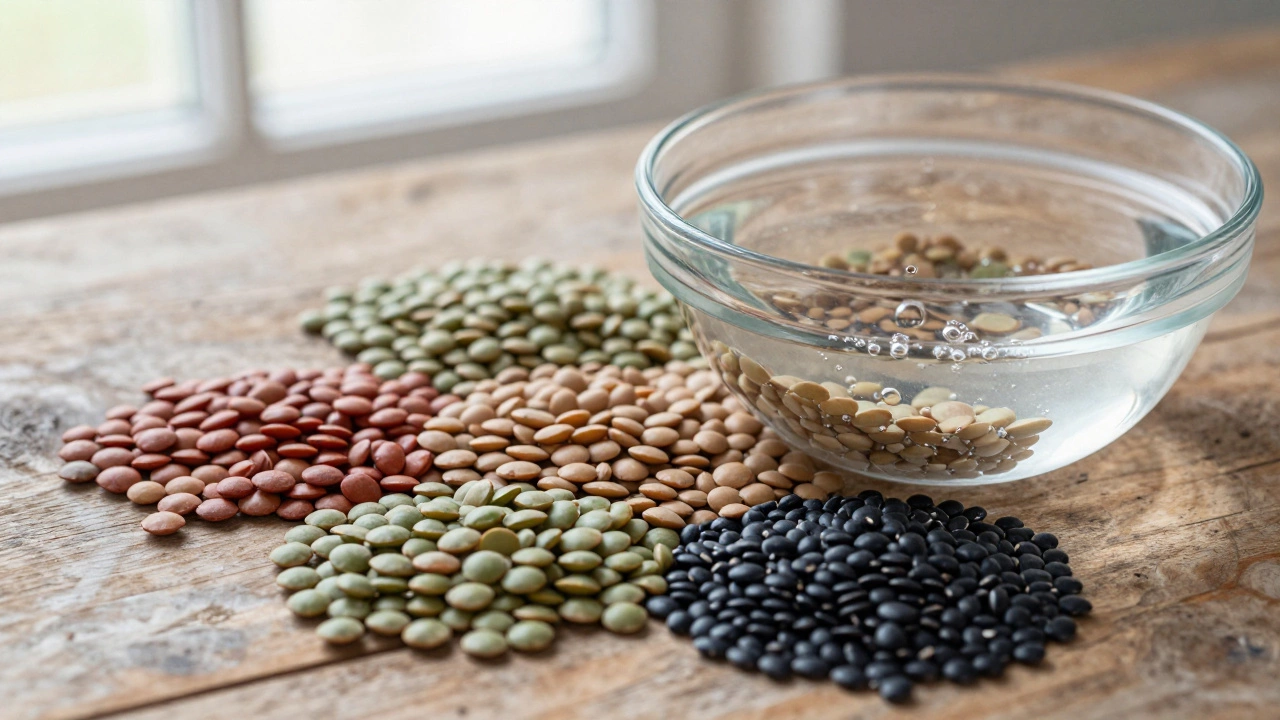
The Healthiest Way to Eat Lentils: Nutrition and Simple Dal Recipes
Discover the healthiest way to eat lentils to avoid bloating and maximize nutrition. Learn about soaking, the power of tadka, and a simple, nutrient-dense dal recipe.